The Rebuild Process & Timeline After Water or Fire Damage
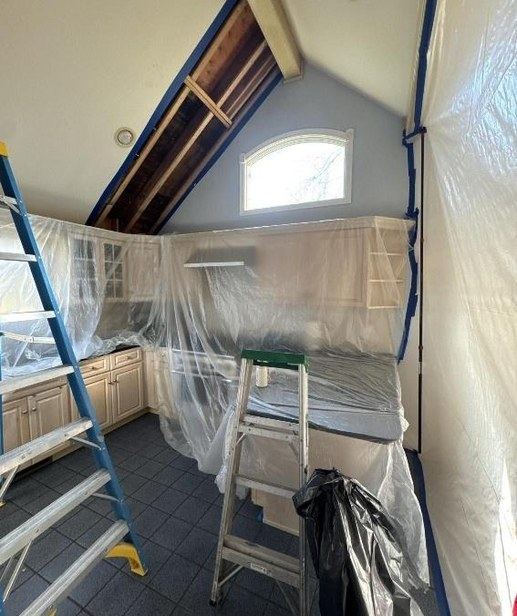
A rebuild after water or fire damage has six steps: cleanup, estimate, insurance approval, deposit, rebuild and final walkthrough. The wait between the end of cleanup and the start of the rebuild is usually 2 to 6 weeks. PDQ Restoration handles every step in northern New Jersey and works directly with your insurance company.
Want to know where your rebuild stands? Call PDQ. We walk you through it.
Call 973-447-3363What should I do while I wait for the rebuild?
Do these 4 things now.
- Let the cleanup finish. The space has to be dry first.
- Do not start repairs before your insurance company approves the scope.
- Watch for the check. Your insurance company sends it to you.
- Pick your flooring, paint colors and finishes.
What are the steps of a rebuild?
Cleanup, estimate, insurance approval, deposit, rebuild and final walkthrough, in that order. Rebuilding does not start the moment the cleanup is done, and that is normal.
| Who | What they do |
|---|---|
| You | Pick your finishes, receive the check from your insurance company and put down the initial deposit |
| PDQ Restoration | Cleanup, the rebuild estimate, follow-up with your adjuster, the rebuild and the final walkthrough |
| Your insurance company | Approves the scope and the budget, and sends the check to you |
How long does the rebuild process take?
The wait before work starts is usually 2 to 6 weeks. Once work starts, it runs from a few days to several weeks. The wait depends on how long your insurance adjuster takes and how well they communicate.
| Part of the process | How long | What it depends on |
|---|---|---|
| End of cleanup to start of rebuild | Usually 2 to 6 weeks | Your insurance adjuster |
| Minor repairs | A few days | The size of the repair |
| Basement rebuild | Just over a week to several weeks | The size of the basement and the finishes |
| Full rebuild across multiple rooms | Several weeks | How far the damage went |
The wait does not usually change much between a small rebuild and a large one. It comes down to how communicative your adjuster is, so we stay on them for you.
Adjuster not calling back? Call PDQ. We follow up and escalate for you.
Call 973-447-3363How does payment work on a rebuild?
Your insurance company approves the scope and sends the check to you. Then you put down your initial deposit, and the balance is tied to the progress and completion of the work.
You pay your deductible
The PDQ Promise: you will never pay more than your deductible. We work with every insurance company. Materials different from the approved scope come out of pocket.
Free estimate first
PDQ does self-pay rebuilds. Our self-pay pricing is initially built on Xactimate, but is then adjusted to reflect real consumer needs. Financing is available.
What does a rebuild look like from start to finish?
This is one real PDQ basement job, before, during and after.
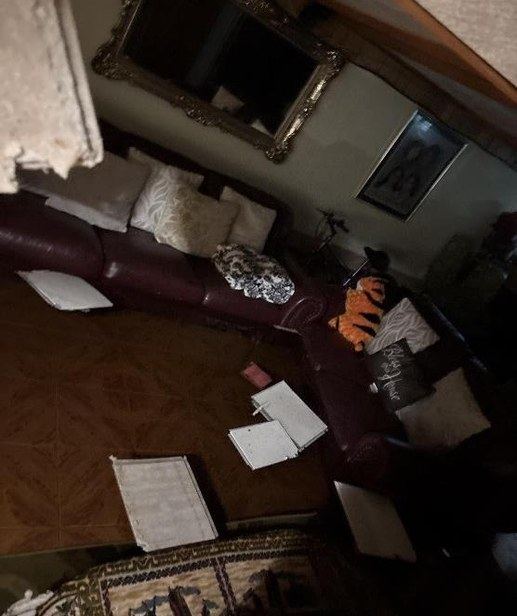
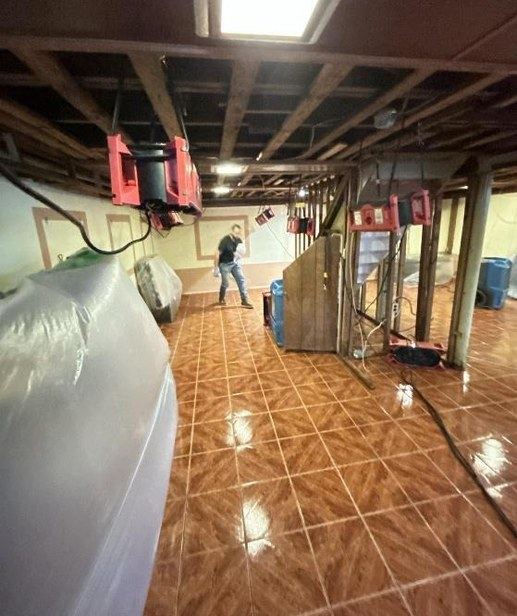
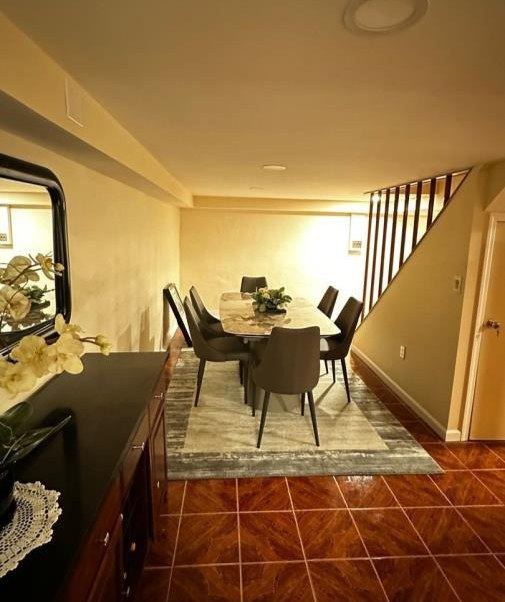
See more on our example rebuild jobs page. Room by room: basements, kitchens, bathrooms and garages.
What happens to my belongings during the rebuild?
Any area that is worked on during the rebuild must be fully packed out. Your contents come back after the rebuild is complete. See contents pack-out and pack in place.
Does insurance cover the rebuild?
Typically, yes, on a covered loss. The rebuild is billed through your claim, on the line-item scope your insurance company approves. We cannot promise what your carrier will cover. See water damage insurance claims.
Who do I call to start the rebuild?
Call PDQ Restoration. One company for the cleanup and the rebuild. For everything we rebuild, see repair and rebuild services.
One call. Cleanup and rebuild. We answer 24/7.
Call 973-447-3363Rebuild process questions we hear most
When does reconstruction start after the cleanup?
After your insurance company approves the rebuild scope. Your insurance company sends the check to you, and then you put down your initial deposit. The wait between the end of cleanup and the start of the rebuild is usually 2 to 6 weeks. It depends on your insurance adjuster.
How long does a rebuild take after water damage?
Once work starts, minor repairs can take a few days. A basement can run just over a week, and a full rebuild across multiple rooms can take several weeks. Add the wait before work starts, which is usually 2 to 6 weeks and depends on your insurance adjuster.
Why is there a wait between the cleanup and the rebuild?
Because the two run on different timelines. The emergency cleanup starts right away. The rebuild has to be scoped, estimated, sent to your insurance company and approved before work begins. How long that takes depends on how long your adjuster takes and how well they communicate.
What does PDQ do while I wait on my insurance company?
We stay on your adjuster. PDQ follows up regularly and escalates when needed, so the approval does not stall and you are not left chasing an adjuster on your own. Managing that back-and-forth with your insurance company is part of what PDQ does on every rebuild.
Is a small rebuild approved faster than a large one?
Not usually. The wait does not typically change much between a small rebuild and a large one, though it sometimes can. It is usually 2 to 6 weeks either way, because it depends on your insurance adjuster and not on the size of the job.
Can I pick the materials for my home?
Yes. You pick your finishes and colors. The materials are set by the scope and the bill your insurance company approves. If you want anything different from that, the difference comes out of pocket. We go over it with you before the work begins, so there are no surprises.
Who do I call to start a rebuild in New Jersey?
Call PDQ Restoration. PDQ handles the cleanup and the rebuild, so there is no second contractor to find. PDQ has an in-house rebuild specialist, writes the rebuild estimate and works directly with your insurance company. There is nothing PDQ does not rebuild.
Ready to Rebuild? Call PDQ Restoration
One company for the cleanup and the rebuild.
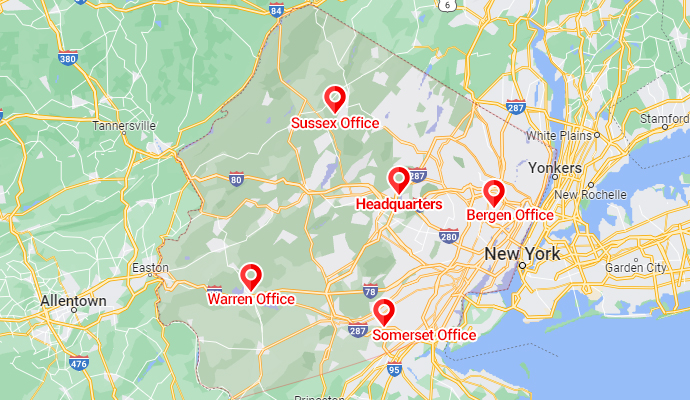
Call 973-447-3363Contact PDQ Restoration today if you live in Morristown, Sparta, Parsippany, Wayne, Montclair, Paramus, Hackensack, Clifton, or any surrounding New Jersey community.