Storm Damage Insurance Claims in New Jersey
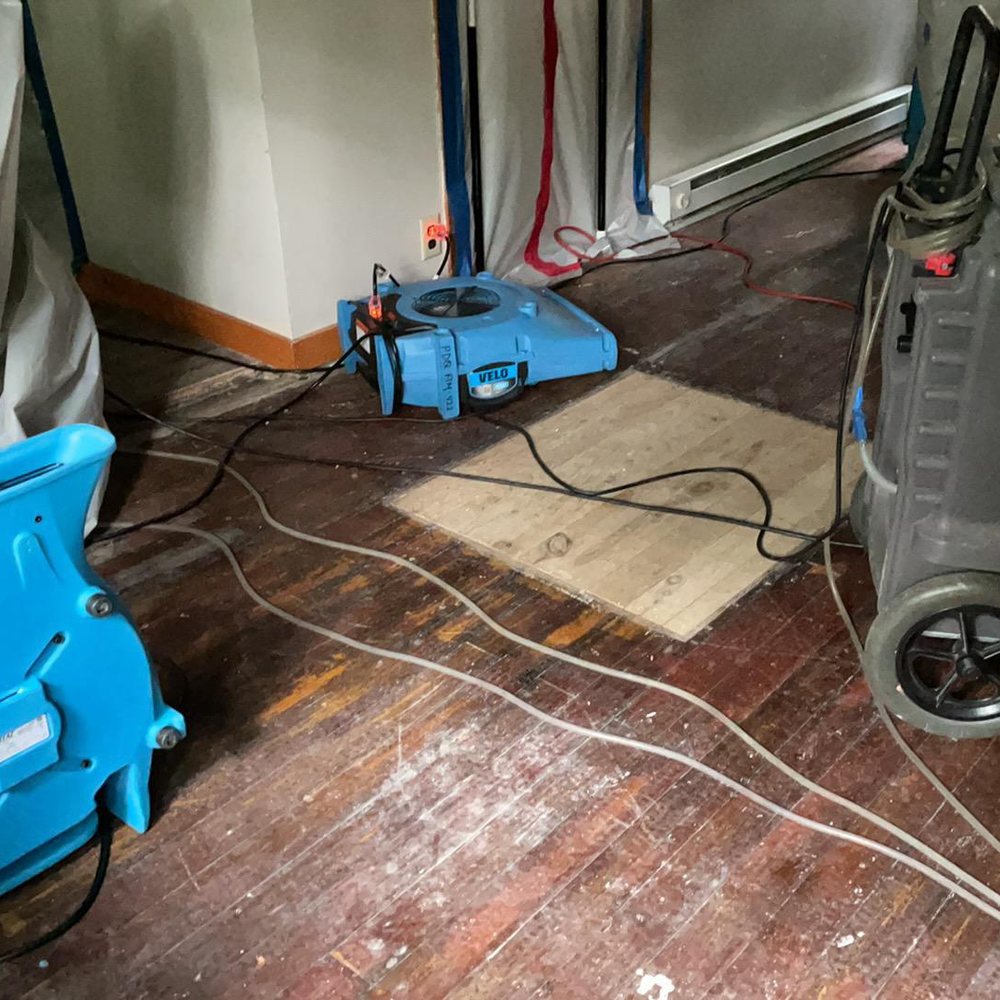
Storm damage from above, like a fallen tree, a roof leak or an ice dam, is typically covered by homeowners insurance. Flash flooding typically is not, unless you have flood insurance. PDQ Restoration helps you submit FEMA flood claims and works with every insurance company. On a covered loss, you will never pay more than your deductible.
Storm damage and not sure about the claim? Call us first. We report it with you.
Call 973-447-3363Does insurance cover storm damage?
It depends on how the water got in. Water that comes in from above is typically covered by the homeowners policy. Water that rises from the ground typically needs flood insurance. We cannot promise what your carrier will cover.
The biggest difference is flash flooding. That is where FEMA flood insurance comes in.
How do I file a FEMA flood insurance claim?
Report the flood to your insurance company right away, document the damage before anything is thrown out, meet with the adjuster, and send a signed Proof of Loss within 60 days. PDQ helps you submit the FEMA flood claim. We know the process and we walk you through it. The steps below follow what FEMA tells policyholders.
- Report the flood. Call your insurance agent or company as soon as possible. Have your policy number and declarations page ready.
- Wait for the adjuster to call. FEMA says the adjuster typically contacts you within 24 to 48 hours of the report.
- Photograph and video everything. The damage inside and outside, how high the water got, and every damaged item, before anything is moved or thrown out.
- Record appliances and electronics. Take a photo of the make, model and serial number.
- Keep samples. Save a piece of the carpet, flooring and curtains to show the adjuster. Throw out only what is a health risk, after it is photographed.
- Start the cleanup and stop mold. FEMA says flood policies typically do not cover mold damage, so drying has to start quickly.
- Meet the adjuster. The adjuster inspects, measures and photographs the home and prepares the estimate.
- Send the Proof of Loss. It is a signed statement of your claim. FEMA requires it within 60 days of the flood.
| Question | What FEMA says |
|---|---|
| What is FEMA flood insurance? | Flood insurance through the National Flood Insurance Program. It is a separate policy from homeowners insurance. |
| How much can it cover? | Up to $250,000 for the building and up to $100,000 for belongings. They are typically bought separately, each with its own deductible. |
| When does a new policy start? | Typically after a 30-day waiting period. |
| What if the claim is denied? | You can appeal to FEMA within 60 days of the date of the denial letter. |
| What if I have a mortgage? | The claim check is made out to you and the mortgage company. |
| What if I find more damage later? | You can ask for an additional payment. |
FEMA sources: How do I start my flood claim, FEMA flood insurance and FloodSmart.gov. Ask your insurer or adjuster to confirm the deadlines on your claim.
What PDQ does on a FEMA flood claim
- We help you submit the claim. We know how the FEMA process works.
- We document for you. Photos, water levels and moisture readings before anything is moved.
- We start drying right away, so mold does not get a chance to grow.
- We submit the scope of work we did.
What if I do not have flood insurance?
Then a flash flood job is self-pay, and you get a free estimate first. Flash flooding is typically not covered by a standard homeowners policy. Some insurance carriers, such as Chubb or AIG, often include flood coverage automatically, so check your policy or ask your agent.
More on the cleanup: flash flood cleanup. If the sump pump stopped, a water backup rider is typically what pays. See sump pump failure.
How does a storm damage insurance claim work?
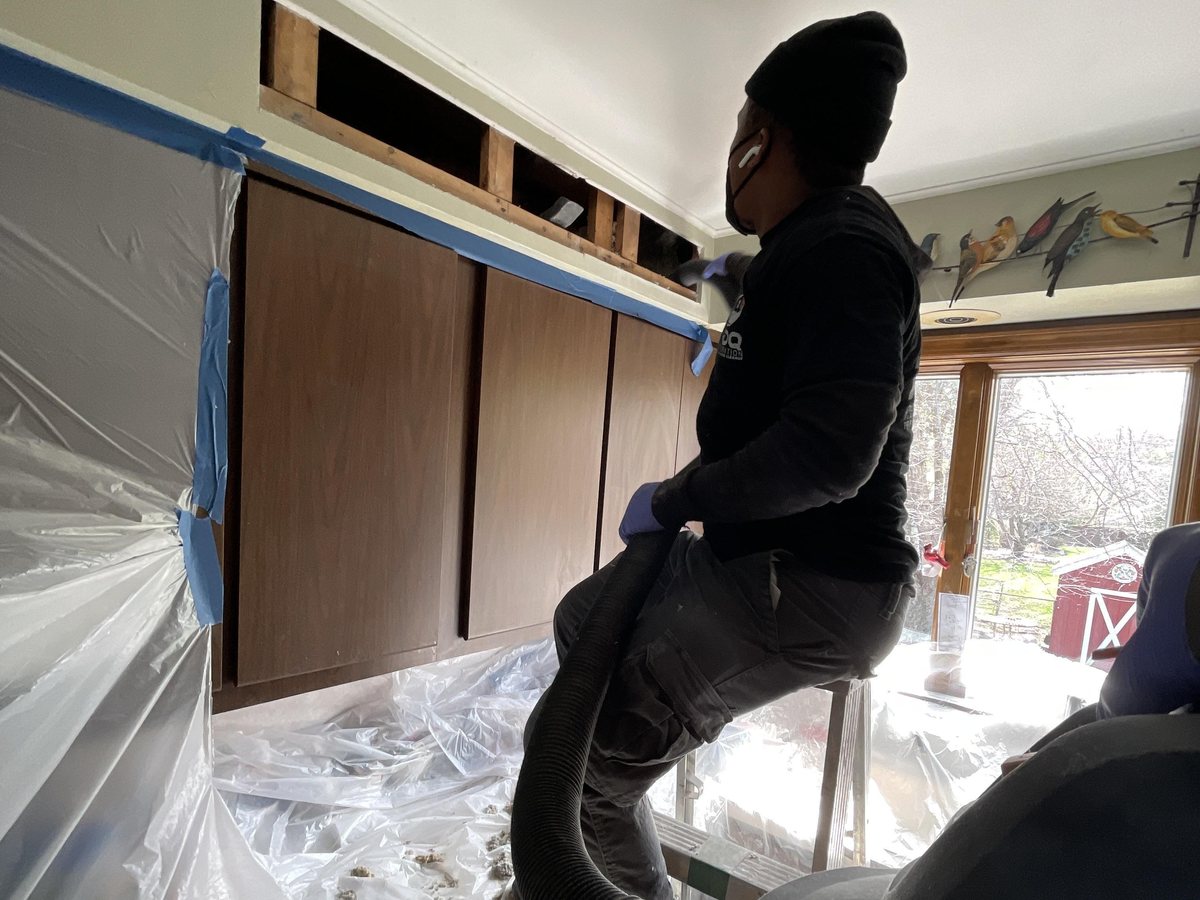
You call PDQ, we stop more damage and document everything, and the claim is reported with us. We do the work, submit the scope of work we did and bill your insurance company.
- Call PDQ. We are there in under an hour.
- We stop more damage. Roof tarp, board-up, pumping out water.
- We document. Photos and moisture readings before anything is moved.
- Report the claim with us, not before us.
- We dry and rebuild, then bill your insurance company. You pay your deductible.
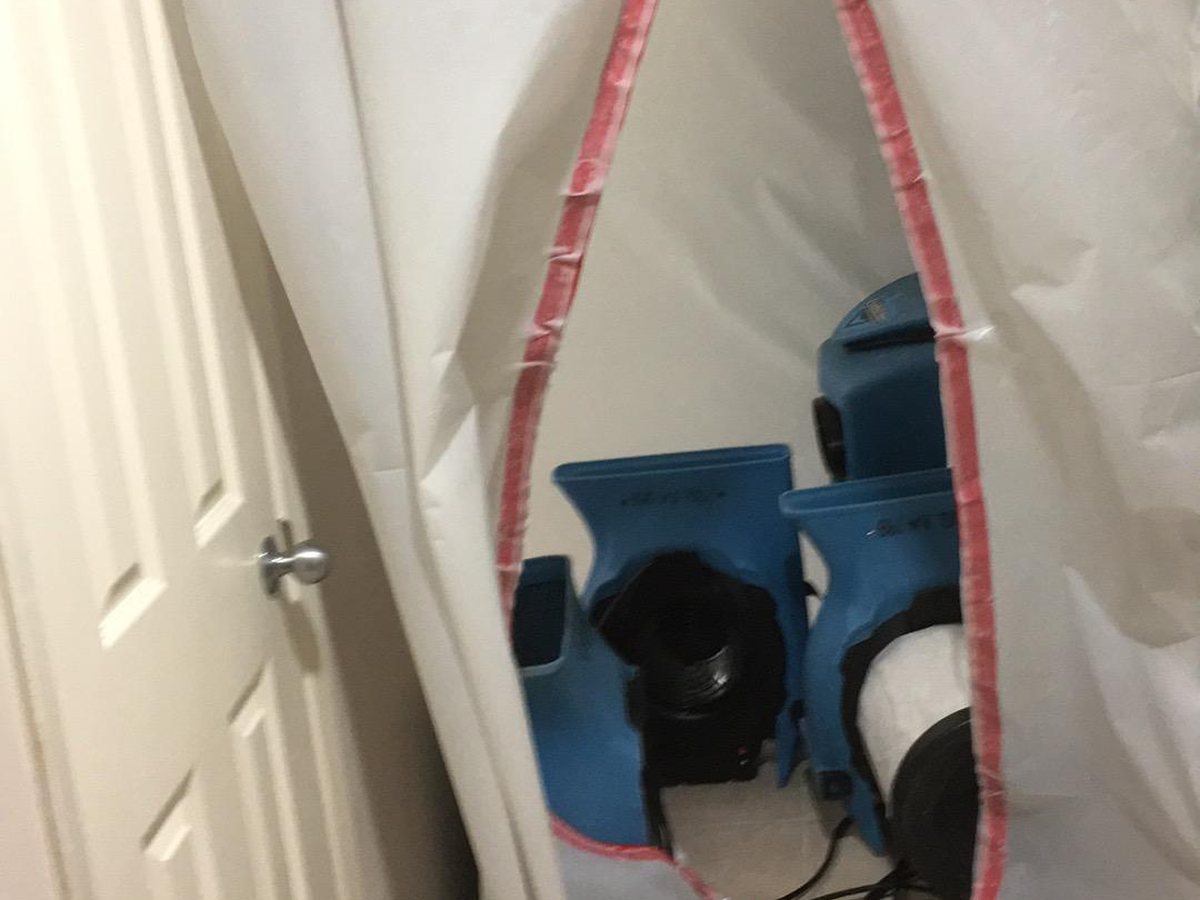
Storm just hit? Call before you call the insurance company.
Call 973-447-3363Why report the claim with PDQ, not before?
Because PDQ works for you. We present the loss to your insurance company in the way that gives it the best chance of being covered.
- You do not need to wait. Not for a claim number or the adjuster.
- We document first. Photos before anything is moved or cleaned.
- Same pricing. We use Xactimate, the same price list your insurance company uses.
- Never a fight about price, only scope.
- You can choose your own company.
- Every insurance company. We bill them directly.
A real covered storm claim in Roxbury
Last February, about 12 inches of snow fell in Roxbury. About 4 days later, a homeowner saw water in the top corners of his living room ceiling. It was ice dams. PDQ stabilized the home, waited until the ice dams were removed, and then completed the full dry out. The claim was submitted and covered by insurance.
What do I pay on a storm damage claim?
On a covered loss, you will never pay more than your deductible. That is the PDQ Promise. The rest is billed to your insurance company.
You pay your deductible
We submit the scope of work we did and bill your insurance company directly.
Free estimate first
Our self-pay pricing is initially built on Xactimate, but is then adjusted to reflect real consumer needs.
Who do I call to start a storm damage claim?
Call PDQ first, then we call your insurance company together. See storm tree damage, roof leak or flash flood cleanup. Everything we do after a storm is on our storm and flood damage page.
One call starts the cleanup and the claim. We answer 24/7.
Call 973-447-3363Storm insurance claim questions we hear most
Does homeowners insurance cover storm damage?
Typically, yes, for water that comes in from above. A tree that falls on the house, a roof that leaks in a storm and an ice dam are typically covered by a homeowners policy. Flash flooding typically is not. We cannot promise what your carrier will cover.
Does homeowners insurance cover flash flooding?
Typically not. Flash flooding is usually not covered by a standard homeowners policy, so most flash flood jobs are self-pay. It depends on your insurance carrier and whether you have flood insurance. Some insurance carriers, such as Chubb or AIG, often include it automatically. Check your policy or ask your agent.
What is FEMA flood insurance?
It is flood insurance through the National Flood Insurance Program, which FEMA runs. It is a separate policy from homeowners insurance. It can cover up to $250,000 for the building and up to $100,000 for belongings. FEMA says there is typically a 30-day waiting period before a new policy takes effect.
Does PDQ help with FEMA flood insurance claims?
Yes. PDQ helps you submit the FEMA flood claim. We know how the process works and we walk you through it. We document the damage with photos, water levels and moisture readings before anything is moved, and we submit the scope of work we did.
How long do I have to file a FEMA flood claim?
Report the flood to your insurance company as soon as possible. FEMA requires a signed Proof of Loss within 60 days of the flood. If the claim is denied, you can appeal to FEMA within 60 days of the denial letter. Ask your insurer or adjuster to confirm your deadlines.
Does FEMA flood insurance cover mold?
FEMA says flood policies typically do not cover damage from mold, and that mold can start forming within 24 to 48 hours of a flood. That is why the water has to come out and drying has to start quickly. Ask your insurance company what your policy covers.
Should I call my insurance company or PDQ first?
Call PDQ first. Report the claim with us, not before us. PDQ works for you. We document everything first, and we present the loss to your insurance company in the way that gives it the best chance of being covered. We work with every insurance company.
Do I have to wait for the adjuster before cleanup starts?
No. You do not need to wait for a claim number or the adjuster. You are required to prevent further damage, and storm water gets worse the longer it sits. We take photos of everything before anything is moved or cleaned, so the adjuster can see what happened.
What if my storm damage is not covered?
Then the job is self-pay, and you get a free estimate before any work starts. Our self-pay pricing is initially built on Xactimate, but is then adjusted to reflect real consumer needs. We cannot promise what your carrier will cover. Your policy and your insurance company decide that.
Storm Damage Claim? Call PDQ Restoration 24/7
On a covered loss, you will never pay more than your deductible. We work with every insurance company.
Call 973-447-3363Contact PDQ Restoration today if you live in Morristown, Sparta, Parsippany, Wayne, Montclair, Paramus, Hackensack, Clifton, or any surrounding New Jersey community.