Burst Water Heater in Northern New Jersey? Here's What to Do and Who to Call
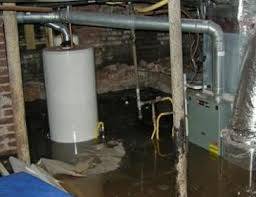
A burst water heater can send gallons of water flooding through your home in minutes, damaging floors, walls, and personal belongings. At PDQ Restoration, we provide 24/7 emergency water damage restoration for homeowners across Northern New Jersey — including Parsippany, Morristown, Wayne, Montclair, Hackensack, Paterson, Clifton, Passaic, Teaneck, Fort Lee, Paramus, Ridgewood, and surrounding communities. Whether you're dealing with a flooded basement from a water heater failure right now or researching how to prevent one, this page covers everything you need to know.
Our IICRC-certified technicians specialize in burst water heater cleanup and complete water damage restoration. We respond fast because we know every minute counts when standing water threatens your home's structure and your family's safety. Call PDQ Restoration immediately at (973) 447-3363 for emergency service.

What Should You Do Immediately When Your Water Heater Bursts?
If your water heater has burst, immediately turn off the power supply (electricity at the breaker or gas at the valve), shut off the cold water supply line at the top of the heater, and call a professional water damage restoration company like PDQ Restoration at (973) 447-3363.
Follow these steps to protect yourself and minimize damage:
- Cut the Power: For electric water heaters, switch off the dedicated breaker in your electrical panel. For gas units, turn the gas valve to the "off" position. Never touch electrical devices or outlets near standing water.
- Shut Off the Water Supply: Locate the cold water supply valve on top of your water heater and turn it clockwise to stop the flow. If you can't find it, shut off your home's main water valve.
- Document the Damage: Take photos and videos of all affected areas before any cleanup begins. This documentation is critical for your insurance claim.
- Move Valuables to Safety: Carefully relocate furniture, electronics, and personal items away from standing water to prevent further damage.
- Call PDQ Restoration: Our emergency response team is available 24/7 and can typically arrive at your Northern NJ home within 60 minutes to begin water extraction and drying.

What Causes a Water Heater to Burst?
The three most common causes of a burst water heater are sediment buildup, internal corrosion from a worn anode rod, and excessive pressure from a faulty T&P (temperature and pressure) relief valve.
Sediment Buildup: Over time, minerals in your water supply settle at the bottom of the tank, forming a layer of sediment. This forces your water heater to work harder, causes overheating at the base of the tank, and eventually weakens the metal. Annual flushing is recommended to prevent this problem.
Anode Rod Failure: The anode rod is a sacrificial metal component designed to attract corrosive elements in your water, protecting the tank's interior lining. When the anode rod is depleted — typically after 3 to 5 years — corrosion attacks the tank itself. Brands like Rheem, AO Smith, and Bradford White all recommend regular anode rod inspections.
T&P Valve Malfunction: The temperature and pressure relief valve is a safety device that releases water when tank pressure or temperature gets too high. If this valve fails or is blocked, pressure can build to dangerous levels, leading to a catastrophic burst. Keeping your water heater temperature at 120–125°F reduces this risk.

How Do You Know If Your Water Heater Is About to Burst?
Warning signs include popping or knocking sounds, rusty or discolored hot water, visible corrosion on the tank or fittings, water pooling around the base, and a unit that is more than 8–10 years old.
- Popping or Knocking Noises: A water heater making popping noise is a sign of heavy sediment buildup at the bottom of the tank. The sounds come from water bubbling up through the sediment layer as it heats.
- Rusty Water from Hot Tap: If you see rusty or discolored water only when running hot water, the inside of your tank is likely corroding. This means the anode rod has failed and the tank is deteriorating.
- Water Heater Leaking from Bottom: Pooling water around the base of your unit can indicate a slow leak that may escalate to a full burst. Even small leaks should be addressed immediately.
- Visible Corrosion: Rust on the tank exterior, fittings, or connections suggests advanced deterioration. Check the T&P valve for signs of leaking or mineral buildup.
- Age Over 8–10 Years: Most residential water heaters have a lifespan of 8 to 12 years. If your unit is in this range, proactive replacement can prevent an emergency burst and costly water damage.

Does Homeowners Insurance Cover Water Heater Burst Damage in New Jersey?
Most standard homeowners insurance policies in New Jersey cover sudden and accidental water damage from a burst water heater, but typically do not cover the cost of replacing the water heater itself or damage from gradual leaks due to lack of maintenance.
According to the Insurance Institute for Business & Home Safety (IBHS), the average water damage claim costs approximately $4,400 or more per incident. To maximize your water heater burst insurance claim in NJ, follow these guidelines:
- Document Everything Immediately: Photograph and video all damage before any cleanup or repairs begin. Include close-ups of the water heater itself, the point of failure, and all affected areas.
- Contact Your Insurance Company Promptly: Report the damage as soon as possible. Most New Jersey policies require timely notification. The NJ Department of Banking and Insurance can help if you have questions about your rights as a policyholder.
- Keep Records of All Expenses: Save receipts for emergency repairs, temporary accommodations, and any other costs related to the water damage.
- Work with a Professional Restoration Company: PDQ Restoration provides detailed documentation and works directly with insurance adjusters to support your claim. Visit our insurance claim assistance page for more information.

What Does the Water Damage Restoration Process Look Like After a Burst Water Heater?
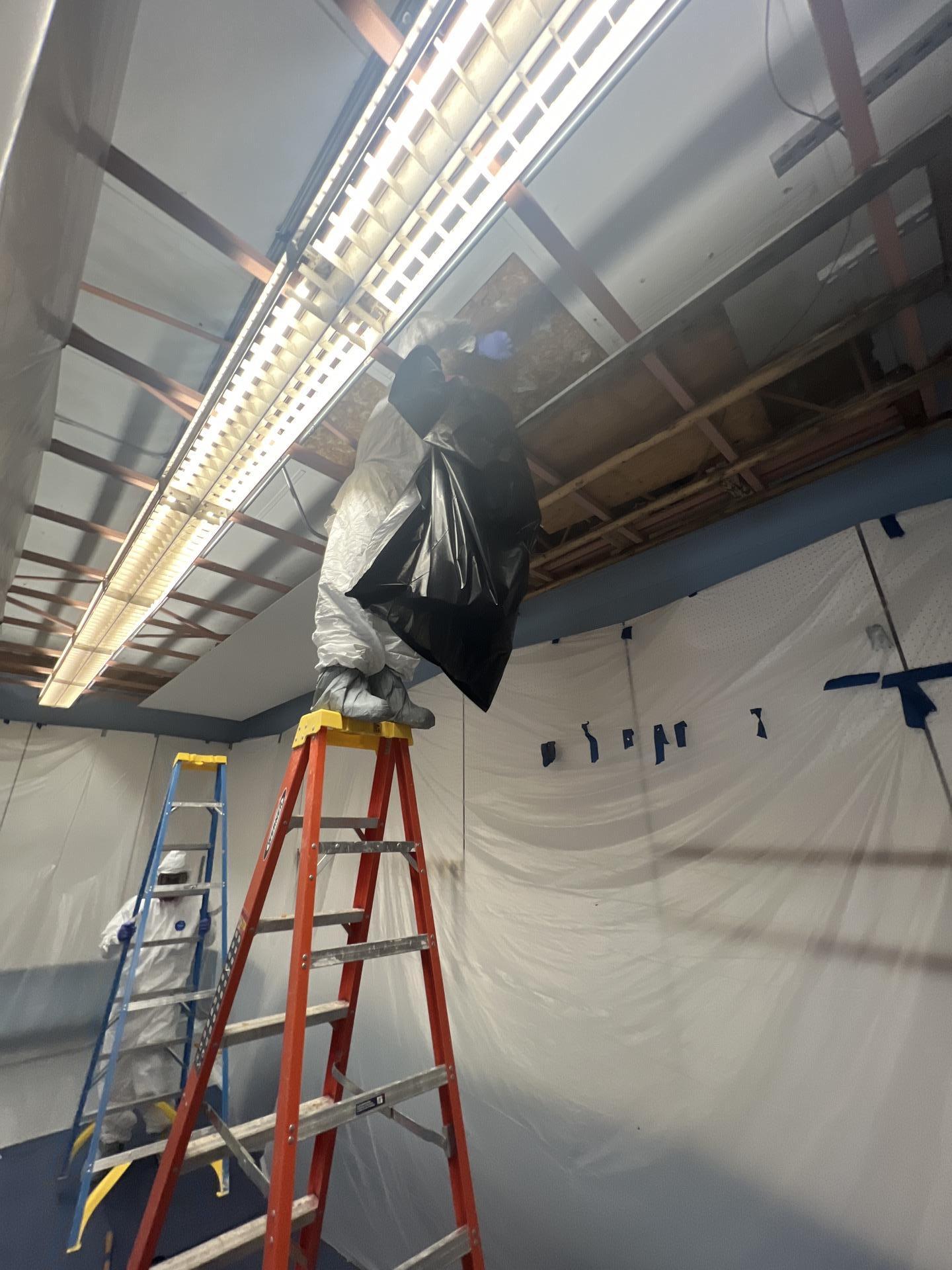
Professional water damage restoration after a burst water heater typically involves emergency water extraction, structural drying with commercial equipment, mold prevention treatment, and repair or replacement of damaged materials.
At PDQ Restoration, our IICRC-certified team follows a proven process:
- Emergency Water Extraction: Using industrial-grade pumps and extractors, we remove all standing water from your home as quickly as possible. Rapid extraction is critical to preventing further damage to flooring, drywall, and structural components.
- Structural Drying and Dehumidification: We deploy commercial air movers and dehumidifiers to thoroughly dry all affected materials. We continuously monitor moisture levels using professional meters to ensure complete drying, which typically takes 3 to 5 days depending on the severity.
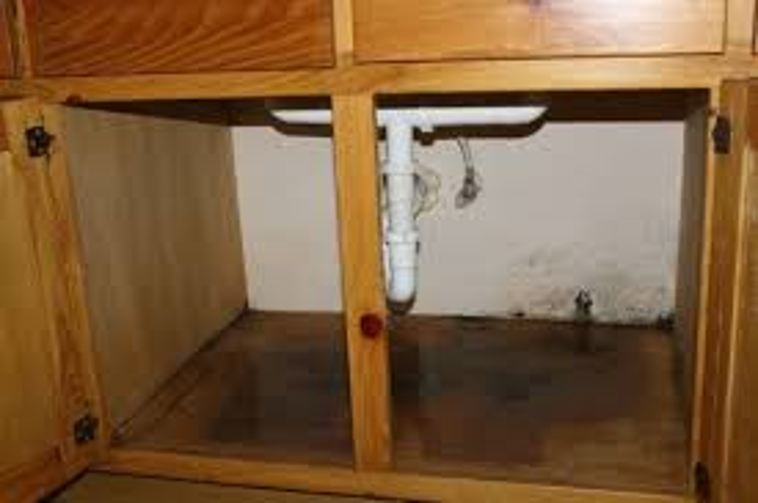
- Mold Prevention Treatment: Because mold can begin growing within 24–48 hours of water exposure, we apply antimicrobial treatments to prevent mold growth throughout the affected areas.
- Damage Assessment and Repairs: We assess all structural and cosmetic damage, then repair or replace drywall, flooring, baseboards, and any other affected materials to restore your home to its pre-loss condition.
- Contents Restoration: Personal belongings affected by the water damage are carefully cleaned, dried, and restored through our contents restoration services.

How Can You Prevent Your Water Heater from Bursting?
Regular annual maintenance including flushing the tank, inspecting the anode rod, testing the T&P relief valve, and keeping the temperature at 120–125°F are the best ways to prevent a water heater from bursting.
Here is a practical maintenance checklist every Northern NJ homeowner should follow:
- Flush the Tank Annually: Draining 2–3 gallons from the tank each year removes sediment buildup that causes overheating and accelerates tank deterioration. This is especially important in areas with hard water.
- Inspect and Replace the Anode Rod: Check the anode rod every 2–3 years and replace it every 3–5 years. A depleted anode rod leaves your tank vulnerable to internal corrosion and eventual failure.
- Test the T&P Relief Valve: Lift the valve lever and let it snap back once a year. If water doesn't flow freely during the test or the valve drips afterward, have it replaced immediately.
- Monitor the Temperature Setting: Keep your water heater set between 120°F and 125°F. Higher settings increase pressure inside the tank and accelerate wear on internal components.
- Know the Age of Your Unit: If your water heater is approaching 8–10 years old, consider proactive replacement. The cost of a new water heater is far less than the water damage restoration cost in New Jersey from a catastrophic burst.
Frequently Asked Questions About Burst Water Heaters
A burst water heater is one of the most common causes of sudden water damage in Northern New Jersey homes. Here are answers to the questions our customers ask most frequently about burst water heaters, emergency cleanup, and the restoration process.
Most residential tank water heaters last between 8 and 12 years with proper maintenance. Once your unit reaches the 8-year mark, the risk of a burst increases significantly due to internal corrosion, sediment accumulation, and general wear on components like the anode rod and T&P relief valve. Tankless water heaters can last 15–20 years, but they have different maintenance requirements. If your water heater is nearing the end of its lifespan and you notice warning signs like popping noises, rusty hot water, or a water heater leaking from the bottom, consider proactive replacement rather than waiting for an emergency. The cost of replacing a water heater is a fraction of the cost of restoring a home after a burst. If your water heater has already burst, contact PDQ Restoration immediately for 24/7 emergency water extraction and damage restoration.
The cost of water damage restoration after a burst water heater varies depending on the severity of the damage, the size of the affected area, and the materials involved. According to the Insurance Institute for Business & Home Safety (IBHS), the average water damage incident costs homeowners approximately $4,400 or more. A minor burst confined to a utility room may cost significantly less, while a major burst that floods a basement or reaches multiple floors can cost considerably more. At PDQ Restoration, we provide detailed estimates and work directly with your insurance company to help manage costs. Most homeowners insurance policies in New Jersey cover sudden and accidental water damage, which can significantly offset out-of-pocket expenses. Contact us for a free assessment of your burst water heater damage.
Yes, a burst water heater can absolutely cause mold growth, and it can happen faster than most homeowners expect. Mold can begin developing within 24 to 48 hours of water exposure in damp, warm conditions — exactly the environment created by a flooded basement or utility room. If water from a burst water heater soaks into drywall, carpet, insulation, or wood framing, those materials become ideal breeding grounds for mold spores. This is one of the main reasons why rapid water extraction and professional structural drying are so critical after a burst. PDQ Restoration includes antimicrobial mold prevention treatment as part of our standard water damage restoration process. If mold has already started growing, our mold remediation team can safely remove it and restore the affected areas.
While you can take immediate steps to minimize damage — like shutting off the water and power supply and moving belongings to dry areas — professional water damage restoration is strongly recommended for a burst water heater. The amount of water released during a tank failure (typically 40–80 gallons, plus any additional flow before the supply is shut off) can penetrate walls, subfloors, and structural cavities that are impossible to dry with household fans or towels. Without commercial-grade extraction equipment, air movers, and dehumidifiers, hidden moisture can lead to mold growth, warped flooring, and long-term structural damage. Professional restoration also provides the documentation your insurance company requires for your claim. PDQ Restoration's IICRC-certified technicians have the equipment and expertise to fully restore your home after a water heater burst. We are available 24/7 for emergency response across Northern New Jersey.
A water heater leak is a slow, often gradual release of water — typically from a failing fitting, a corroded connection, or a dripping T&P valve. A burst is a sudden, catastrophic failure of the tank itself, releasing a large volume of water all at once. While a small leak may only cause localized moisture or minor damage over time, a burst can flood an entire room or basement within minutes, causing extensive damage to flooring, drywall, electrical systems, and personal property. Both situations require attention, but a burst is a true emergency. If you notice your water heater leaking from the bottom or see water pooling around the unit, act quickly — a leak can be a warning sign that a full burst is coming. For any water damage situation, PDQ Restoration provides fast, professional restoration services throughout Northern New Jersey.
Where Can You Get 24/7 Emergency Water Damage Restoration in Northern New Jersey?
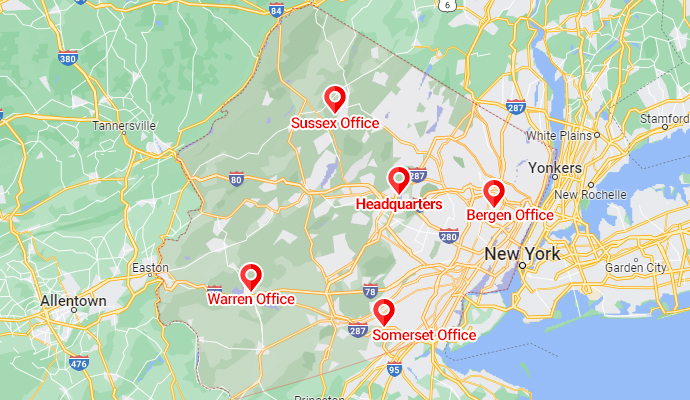
PDQ Restoration provides 24/7 emergency water damage restoration across Northern New Jersey from our base in Boonton, NJ. Our IICRC-certified team responds quickly to burst water heater emergencies, delivering professional water extraction, structural drying, mold prevention, and full property restoration.
We proudly serve homeowners and property managers in Parsippany, Morristown, Wayne, Montclair, Hackensack, Paterson, Clifton, Passaic, Teaneck, Fort Lee, Englewood, Paramus, Ridgewood, Glen Rock, Fair Lawn, Boonton, Denville, Rockaway, Dover, Madison, Chatham, Summit, Livingston, West Orange, Cedar Grove, Bloomfield, Nutley, Belleville, and all surrounding Northern New Jersey communities within a one-hour driving radius.
When your water heater bursts, every minute matters. Call PDQ Restoration now at (973) 447-3363 for immediate emergency response.
4.98 out of 371 reviews

Other pages you may be interested in...