Roof Leak After a Storm? Roof Tarping and Dry Out in New Jersey
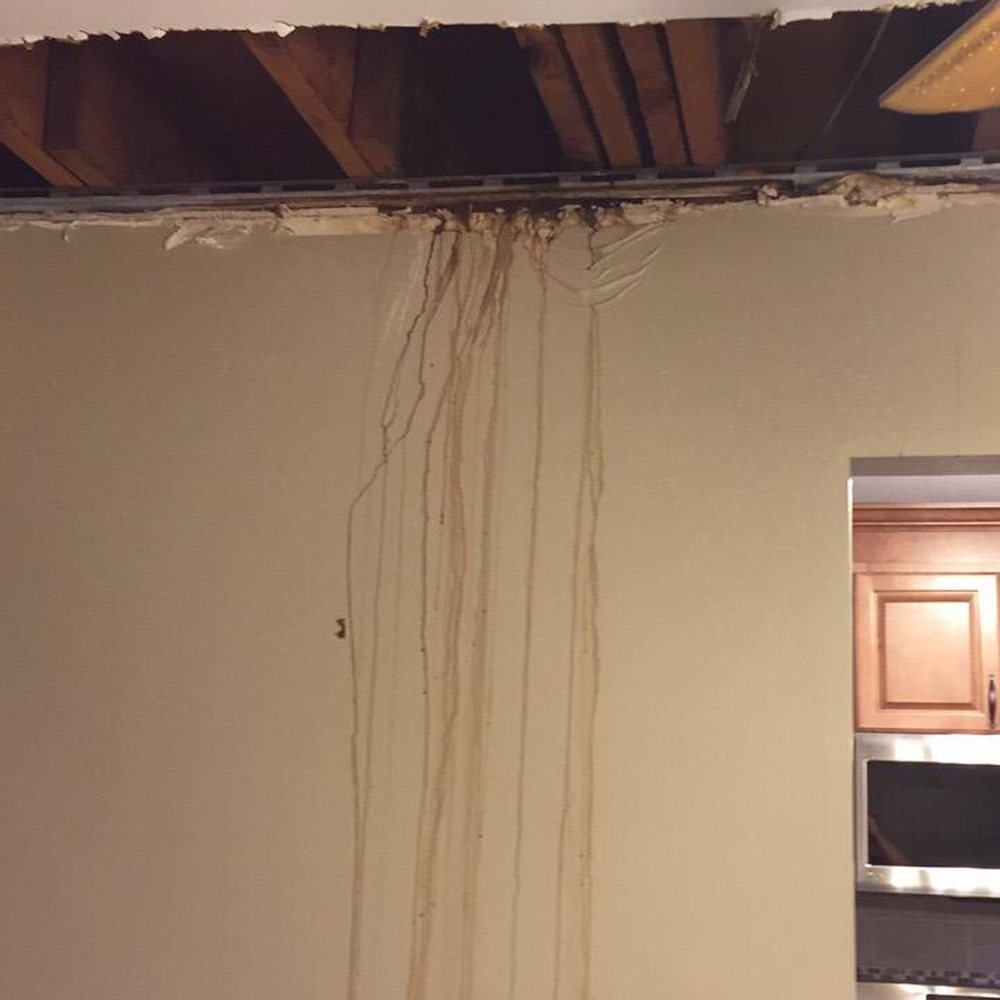
When a storm makes your roof leak, PDQ Restoration tarps the roof, dries the attic, ceilings and walls, and rebuilds what the water damaged. We answer 24 hours a day and we are there in under an hour. We handle roof leaks from heavy rain, fallen trees and ice dams. PDQ is in charge of the whole job.
Roof leaking right now? We answer 24/7 and we are there in under an hour.
Call 973-447-3363What should I do right now if my roof is leaking?
Do these 4 things now.
- Stay out from under a sagging ceiling. It can come down.
- Put a bucket under the drip and move what you can out of the way.
- Take photos of the ceiling, the walls and anything that got wet.
- Call PDQ. We tarp the roof and start the dry out.
What are the signs of a roof leak?
A stain on the ceiling is the early sign. Bubbling paint, a sagging ceiling and dripping water mean it is getting worse.
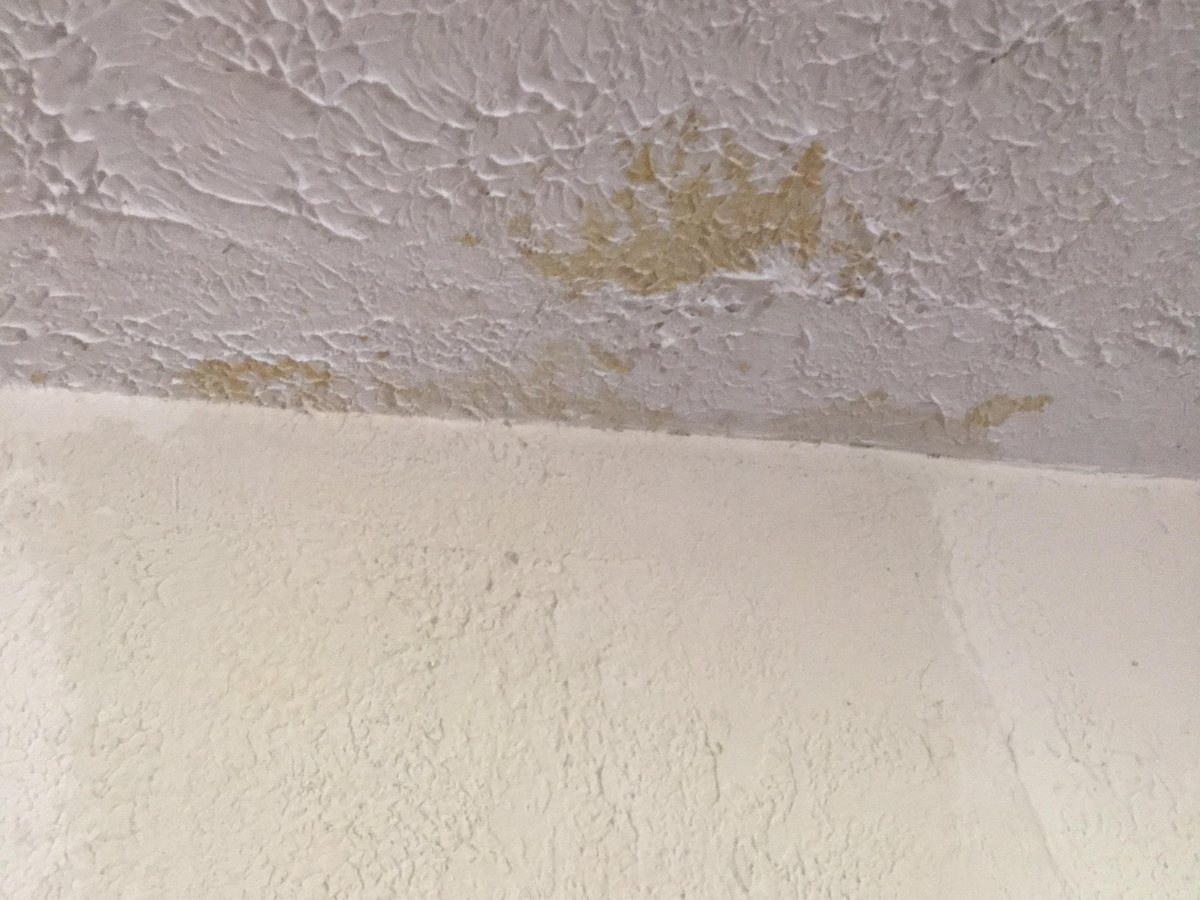
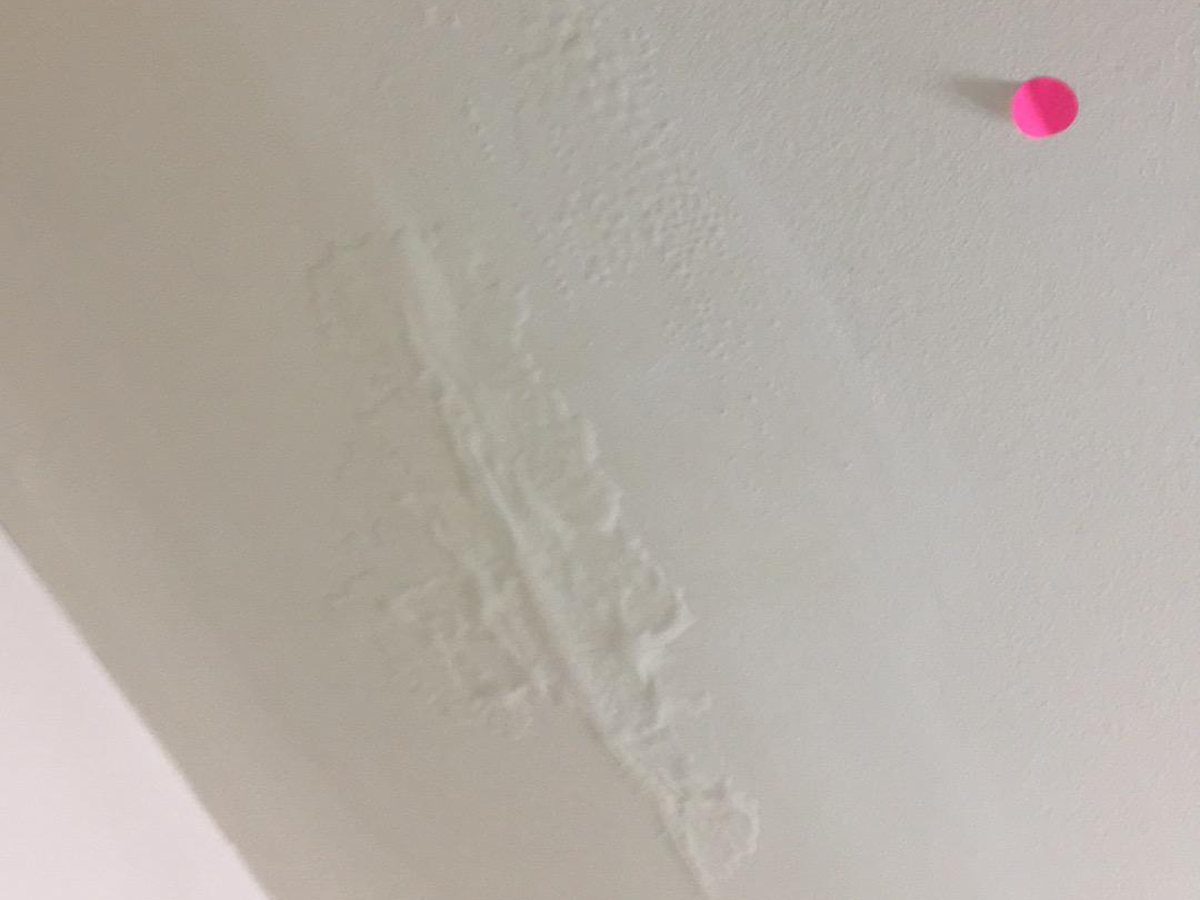
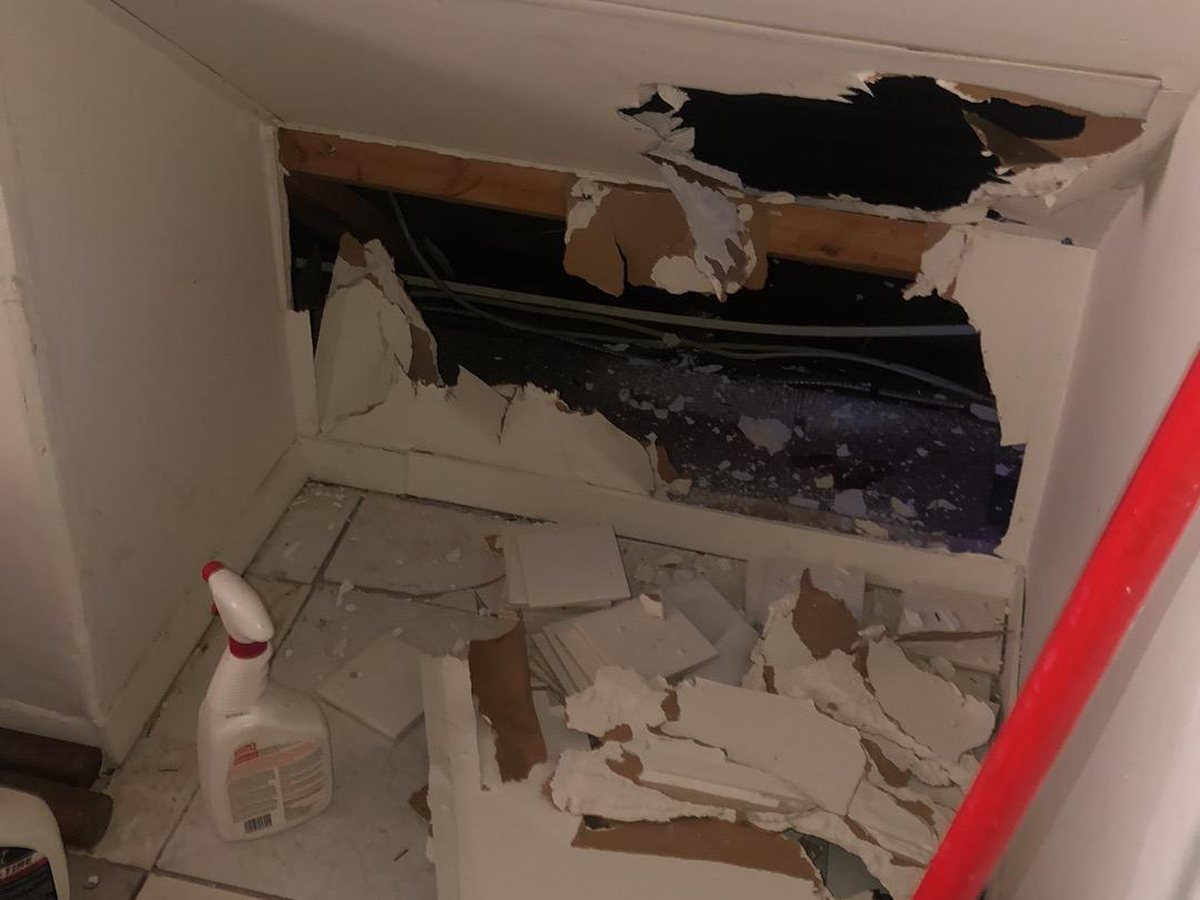
With a roof leak, call PDQ so one of our roofers can confirm where in the roof the water is coming from, and that the source of the damage is fixed.
What does PDQ do about a roof leak?
We stop the water first with a roof tarp. Then we dry the inside and rebuild it. Depending on the situation, the tarp can go on the same night.
- Tarp the roof so no more water gets in.
- Find how far the water went with moisture meters.
- Remove what cannot be saved. Wet insulation and soaked drywall.
- Dry the attic, ceilings and walls with air movers and dehumidifiers.
- Rebuild. See repair and rebuild.
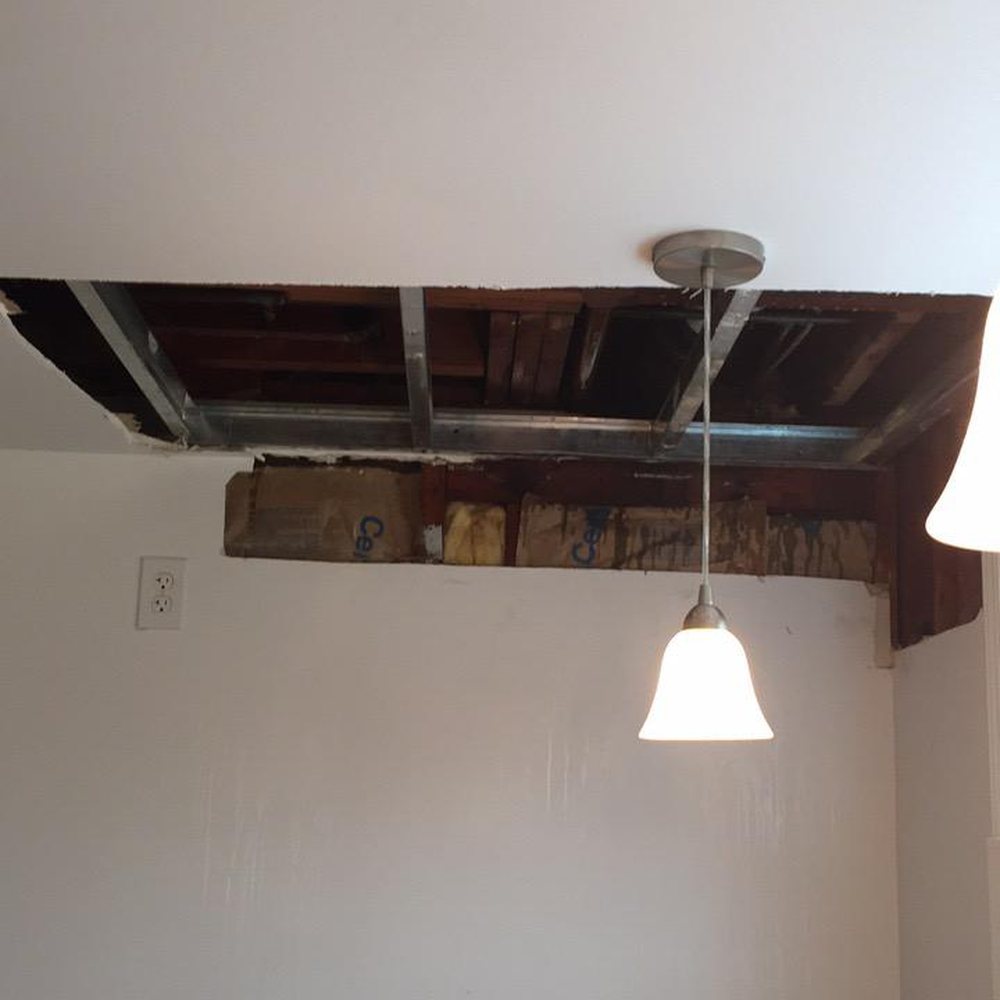
Where does the water go after it gets through the roof?
Down. Water follows the framing, so the stain on the ceiling is often not right under the leak. That is why we measure instead of guessing.
More on what a wet ceiling means is on our ceiling water damage page.
Water coming through the ceiling? Call PDQ. We tarp the roof and start drying.
Call 973-447-3363How do ice dams cause roof leaks?
An ice dam is a ridge of ice at the edge of the roof. Melting snow backs up behind it, gets under the shingles and leaks into the house. In New Jersey, ice dams happen in winter, after snow followed by cold.
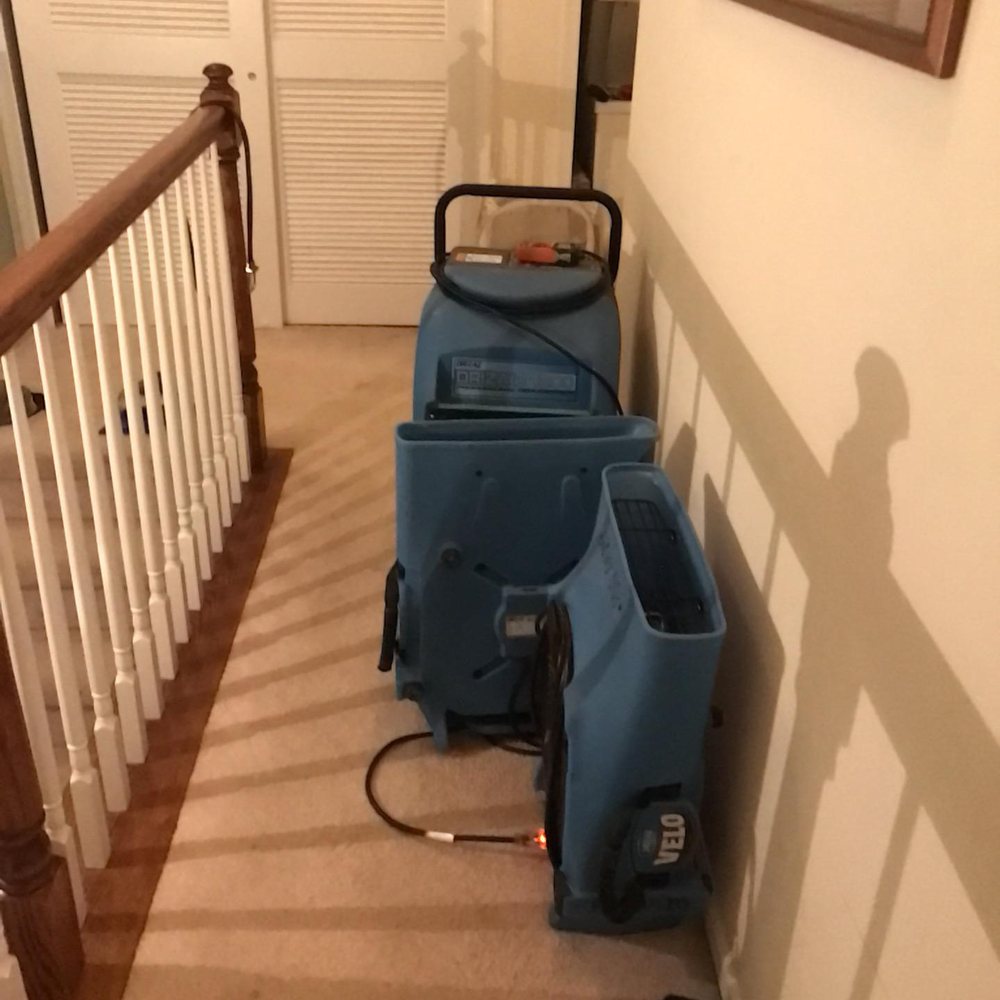
- Where it shows up: ceilings and walls along the outside edge of the house.
- When it shows up: often days after the snow, when it starts to melt.
- What gets wet: attic insulation, ceilings, the tops of walls and window frames.
PDQ stabilizes the area first. We run dehumidifiers so mold growth is prevented. We also handle getting the ice dams removed from the roof. Once the ice is gone, we open up the wet areas and do the full dry out.
A real ice dam leak in Roxbury
Last February, a storm left about 12 inches of snow in Roxbury. After the snow had been on the roof for about 4 days, a homeowner called. He was seeing water in the top corners of his living room ceiling and around other ceilings in the house. It was ice dams.
PDQ stabilized the home and waited until the ice dams were removed. Then we opened up the wet areas and completed the full water damage dry out. The claim was submitted and covered by insurance.
Does insurance cover a roof leak?
Typically, yes, when a storm caused it. A roof leak from a storm, a fallen tree or an ice dam is typically covered by a homeowners policy. We cannot promise what your carrier will cover. Your policy and your insurance company decide.
| What caused the leak | What typically pays |
|---|---|
| A storm damaged the roof | The homeowners policy |
| A tree fell on the roof | The homeowners policy |
| An ice dam | The homeowners policy |
You pay your deductible
The PDQ Promise: you will never pay more than your deductible. We work with every insurance company and bill them directly.
Free estimate first
Our self-pay pricing is initially built on Xactimate, but is then adjusted to reflect real consumer needs.
Report the claim with us, not before us.
Who do I call for a roof leak?
Call PDQ Restoration. One call covers the roof tarp, the dry out and the rebuild. If a tree hit the roof, see storm tree damage. Everything we do after a storm is on our storm and flood damage page.
One call. We handle all of it. We answer 24/7.
Call 973-447-3363Roof leak questions we hear most
Who do I call for a roof leak after a storm?
Call PDQ Restoration. We answer 24/7 and we are there in under an hour. We tarp the roof to stop the water, dry the attic, ceilings and walls, and rebuild what was damaged. PDQ is in charge of the whole job, so you only make one call.
Can PDQ tarp my roof?
Yes. PDQ tarps the roof to stop more water from coming in. Depending on the situation, it can be done the same night. Then we handle all of the water damage inside the home, and the rebuild after everything is dry.
Does homeowners insurance cover a roof leak?
Typically, yes, when a storm caused it. A roof leak from a storm, a fallen tree or an ice dam is typically covered by a homeowners policy, including the water damage inside. On a covered loss, you will never pay more than your deductible. We cannot promise what your carrier will cover.
What is an ice dam?
An ice dam is a ridge of ice that builds up along the edge of a roof in winter. Melting snow runs down the roof, hits the ice and has nowhere to go. The water backs up under the shingles and leaks into the attic, ceilings and walls below.
Is a small ceiling stain from a roof leak a big deal?
It can be. A stain means water already got through the roof, the attic insulation and the ceiling drywall. There is usually more water above the stain than you can see. We check it with moisture meters, so you know how far the water went.
How long does it take to dry out a roof leak?
It depends on how much water came in and how far it traveled. Wet insulation and soaked drywall come out first. Then we dry the framing, ceilings and walls with air movers and dehumidifiers until the moisture readings are back to normal.
Should I poke a hole in a sagging ceiling?
Stay out from under a sagging ceiling. It is holding water, and wet drywall can come down without warning. Move what you can out of the room from a safe spot, put a bucket under any drip, and call us. We open the ceiling safely.
Roof Leaking? Call PDQ Restoration 24/7
We tarp the roof, dry the inside and rebuild what the water damaged.
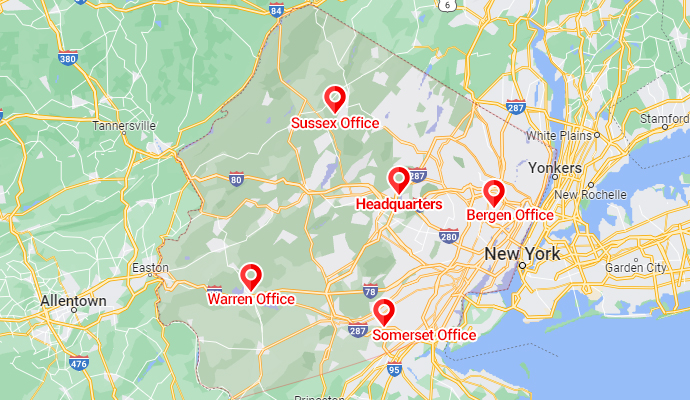
Call 973-447-3363Contact PDQ Restoration today if you live in Morristown, Sparta, Parsippany, Wayne, Montclair, Paramus, Hackensack, Clifton, or any surrounding New Jersey community.