Flash Flood Cleanup in Northern New Jersey
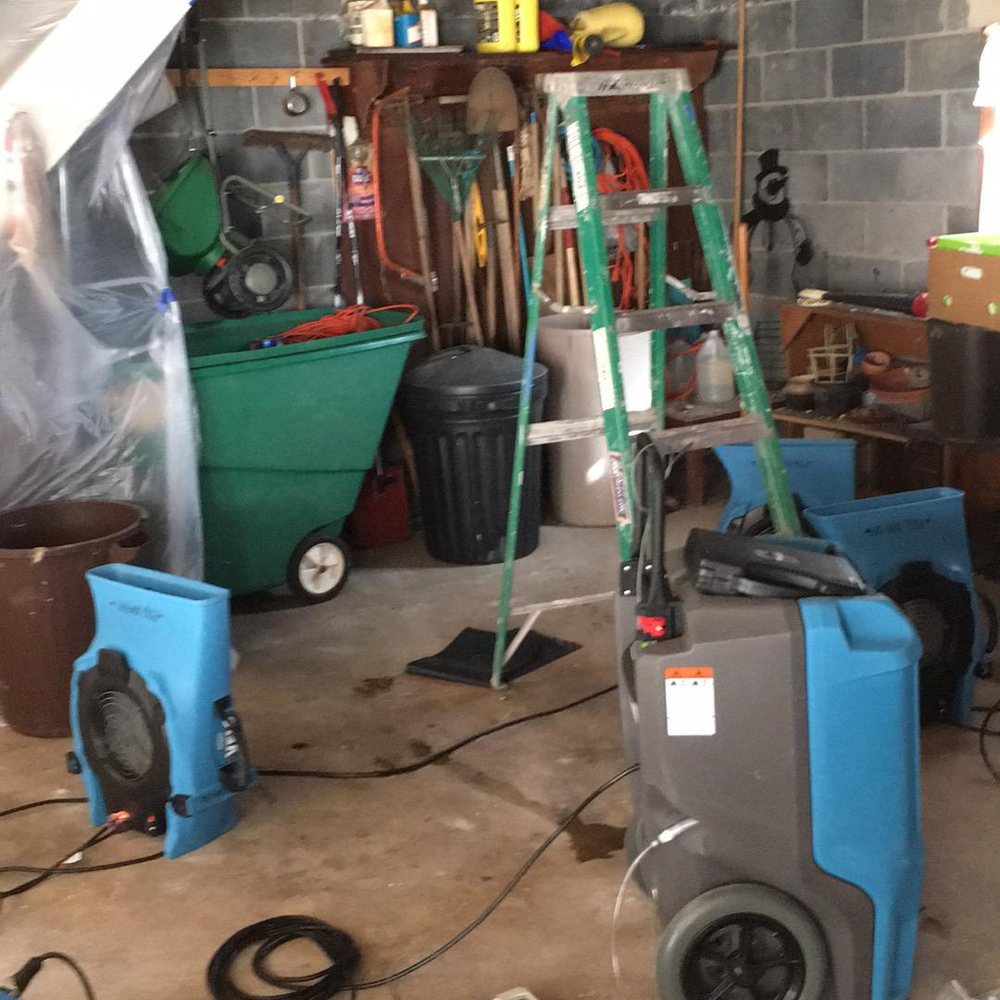
PDQ Restoration cleans up after flash floods across northern New Jersey, 24 hours a day. We pump out the water, remove what it ruined, clean and disinfect, dry the home and rebuild it. We are there in under an hour. Flash flooding is mostly self-pay, and you get a free estimate before any work starts.
Flood water in your home right now? We answer 24/7 and we are there in under an hour.
Call 973-447-3363What should I do right now after a flash flood?
Do these 4 things now.
- Stay out of the water until the power to that area is off.
- Keep children and pets out. Flood water is dirty water.
- Take photos of the water and everything it reached.
- Call PDQ. We start pumping the water out.
How does PDQ clean up after a flash flood?
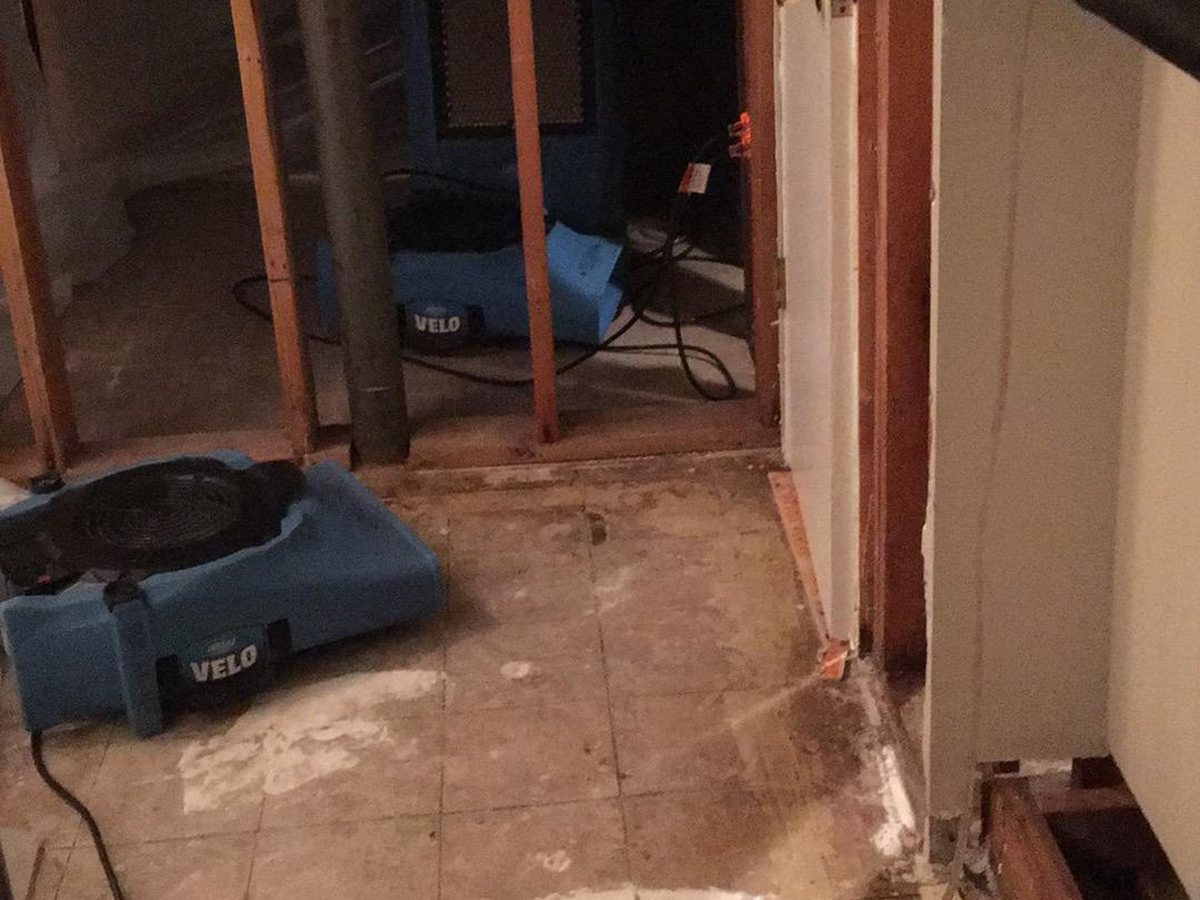
We pump out the water, take out what cannot be saved, clean and disinfect what stays, and then dry the home. PDQ is in charge of the whole job, including the rebuild.
- Pump out the water. See water extraction.
- Remove what it ruined. Carpet, padding, wet drywall and soaked belongings.
- Clean and disinfect the floors, walls and framing.
- Dry the home with air movers and dehumidifiers until moisture readings are back to normal.
- Rebuild. New drywall, flooring and paint. See repair and rebuild.
Extraction should not start until the water has stopped coming in. If water is still coming into the home, pumping it out comes after it stops.
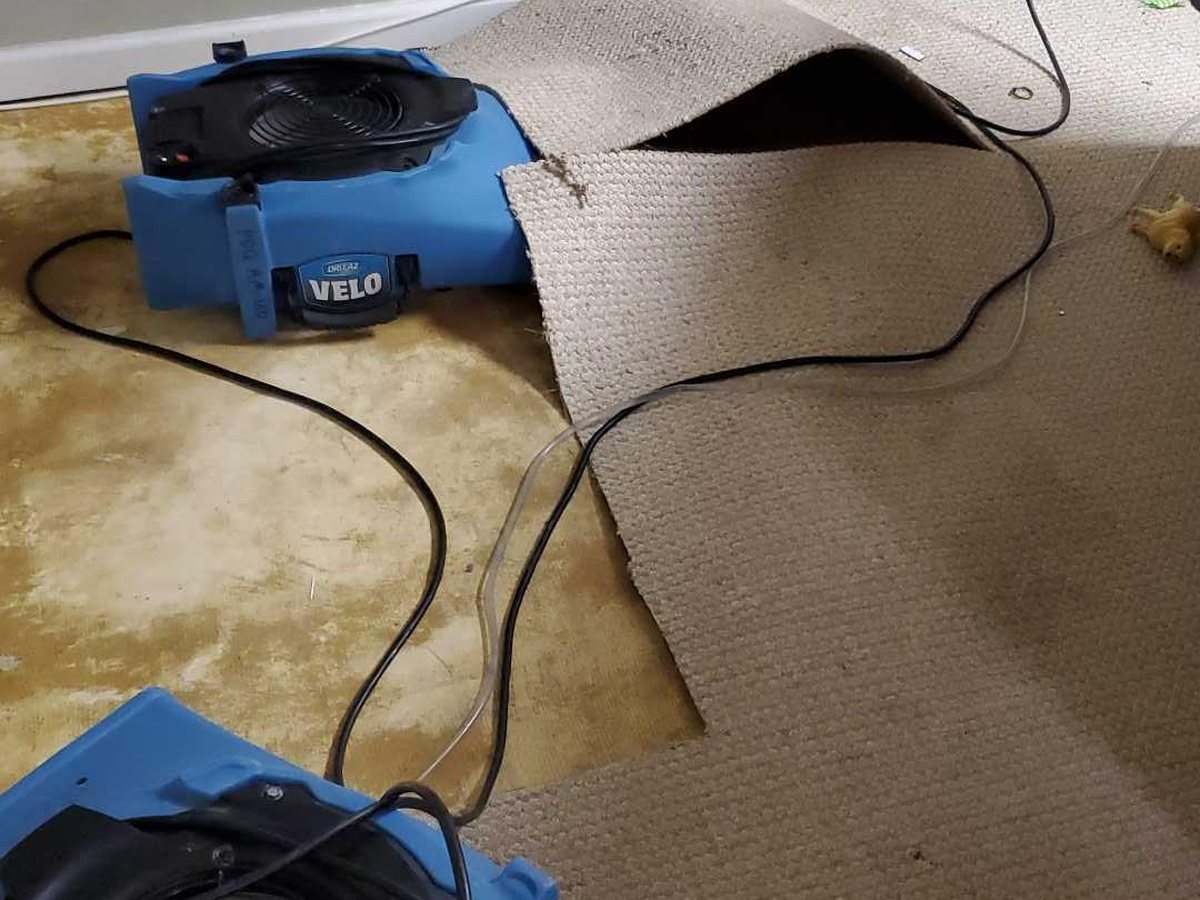
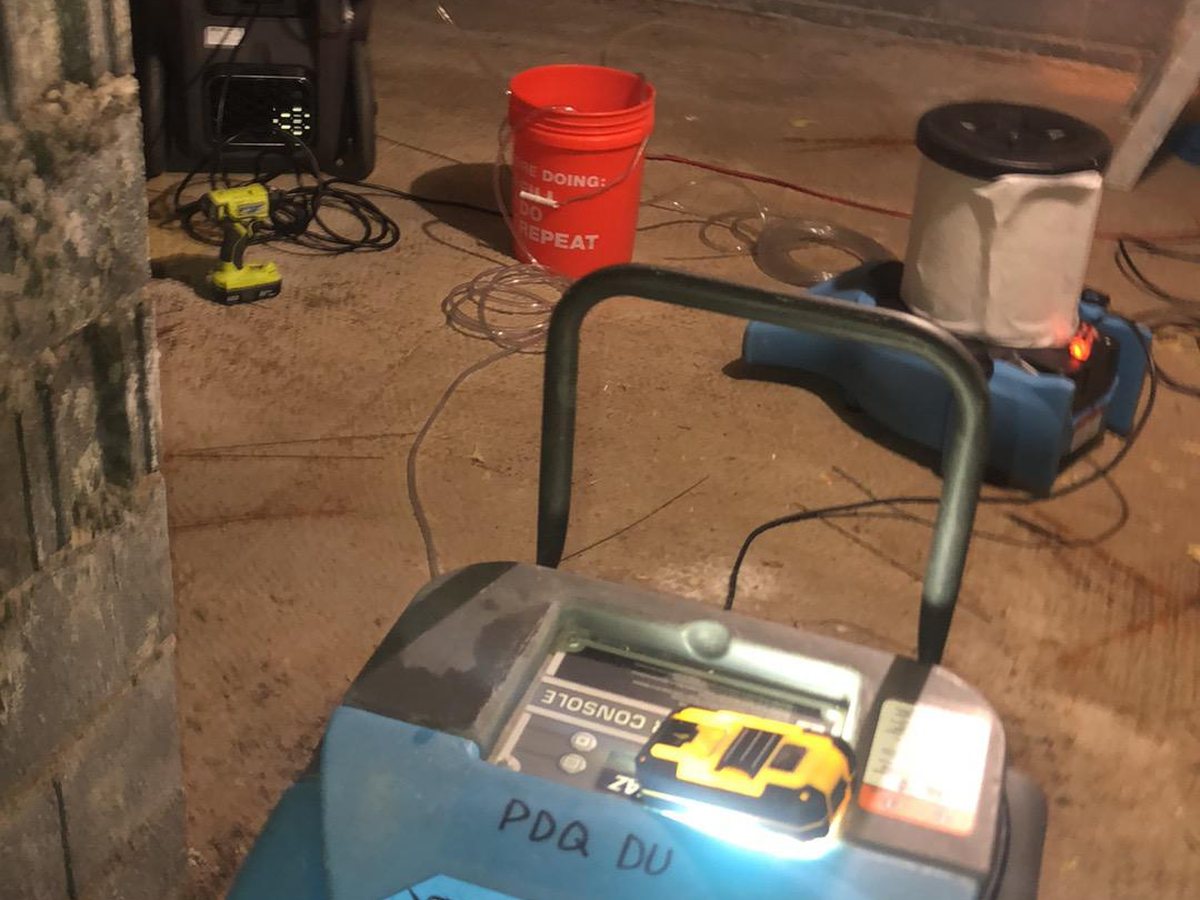
How fast does flood water need to be removed?
In the first 24 hours if possible. Mold can start to grow on wet materials in 24 to 48 hours. The longer water sits, the more it soaks into, and the more has to come out. The EPA says the same about mold after water damage.
How long the whole job takes depends on how much water entered the home and how long the extraction takes. After the water is out, it is a typical drying period.
Do not wait on flood water. Call PDQ. We start pumping it out.
Call 973-447-3363What can be saved after a flash flood?
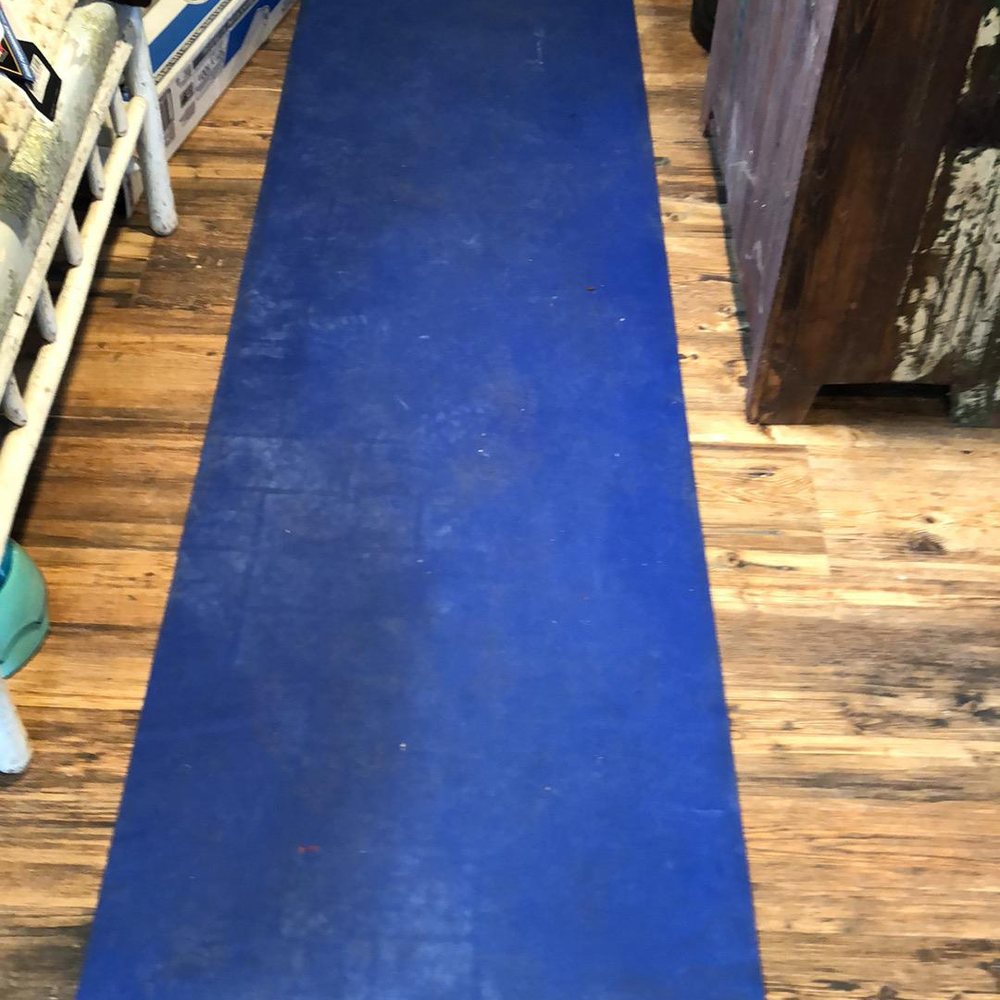
Hard surfaces can usually be cleaned and dried. Anything porous that soaked up flood water usually has to come out. Flood water from outside is dirty water. It carries whatever it ran across on the way in.
- Usually comes out: carpet, carpet pad, wet drywall, insulation, soaked furniture and boxes.
- Can usually be cleaned and dried: concrete, tile, framing and solid hard surfaces.
For a basement, see flooded basement cleanup. If the sump pump stopped, see sump pump failure.
Does insurance cover flash flood cleanup?
Typically not under a standard homeowners policy. Flash flooding is mostly self-pay, unless you have flood insurance. It depends on your insurance carrier. If you have flood insurance, it covers the majority of it. Some insurance carriers, such as Chubb or AIG, often include it automatically. We cannot promise what your carrier will cover.
| Your situation | What it means |
|---|---|
| You have flood insurance, such as a FEMA flood policy | It covers the majority of the cleanup. PDQ works with flood insurance claims |
| Your carrier includes flood coverage | Check your policy or ask your agent |
| You have no flood coverage | The job is self-pay. You get a free estimate first |
Flood insurance is a separate policy. Many flood policies come through FEMA and its National Flood Insurance Program. You can read about it at FloodSmart.gov.
You pay your deductible
The PDQ Promise: you will never pay more than your deductible. We bill the insurance company directly.
Free estimate first
Our self-pay pricing is initially built on Xactimate, but is then adjusted to reflect real consumer needs.
A real flash flood job from our files
In August, an area of Bergen County got 1 inch of rain in about 40 minutes. The streets flooded 3 to 4 feet deep. In one home with a finished basement, the sump pumps could not keep up with the water, and the basement ended up with 1.5 feet of water in it. PDQ did the cleanup.
Who do I call for flash flood cleanup?
Call PDQ Restoration. One call covers the pump-out, the cleanup, the drying and the rebuild. Everything we do after a storm is on our storm and flood damage page. If a tree hit the house, see storm tree damage.
One call. We handle all of it. We answer 24/7.
Call 973-447-3363Flash flood cleanup questions we hear most
Who do I call for flash flood cleanup in New Jersey?
Call PDQ Restoration. We answer 24/7 and we are there in under an hour. We pump out the water, remove what it ruined, clean and disinfect, dry the home and rebuild it. PDQ is in charge of the whole job, so you only make one call.
Does homeowners insurance cover flash flood damage?
Typically not. Flash flooding is usually not covered by a standard homeowners policy, so most flash flood jobs are self-pay. It depends on your insurance carrier and whether you have flood insurance. If you do, it covers the majority of it. Some insurance carriers, such as Chubb or AIG, often include it automatically.
Does PDQ work with FEMA flood insurance?
Yes. Flood insurance is a separate policy from homeowners insurance, and many flood policies come through FEMA and its National Flood Insurance Program. PDQ works with flood insurance claims, including FEMA flood policies. We document the damage with photos and moisture readings and submit the scope of work we did.
How much does flash flood cleanup cost?
It depends on how much of the home got wet and what the water soaked into. You get a free estimate first, before any work starts. Our self-pay pricing is initially built on Xactimate, but is then adjusted to reflect real consumer needs. We come out, measure and show you the number.
How fast does mold grow after a flood?
Mold can start to grow on wet materials in 24 to 48 hours. That is why the water has to be pumped out and the wet carpet, padding and drywall removed quickly. Once the wet materials are out, we dry the home with air movers and dehumidifiers.
Can carpet be saved after a flash flood?
Usually not. Flood water from outside is dirty water. It carries whatever it ran across on the way into your home. Carpet and carpet pad soak it up, so they usually have to come out. Hard floors and concrete can be cleaned, disinfected and dried.
Is it safe to go into a flooded basement?
Not until the power to that area is off. Water and electricity together are dangerous, and you cannot see what is under the water. Stay out, keep children and pets out, and call us. We check that it is safe before the pumping and cleanup start.
Flash Flood in Your Home? Call PDQ Restoration 24/7
We pump out the water, remove what it ruined, disinfect, dry and rebuild.
Call 973-447-3363Contact PDQ Restoration today if you live in Morristown, Sparta, Parsippany, Wayne, Montclair, Paramus, Hackensack, Clifton, or any surrounding New Jersey community.