Smoke and Soot Cleanup in Northern New Jersey
Smoke and soot cleanup means taking the soot off every surface in the right order: HEPA vacuum first, then a dry soot sponge, then a wet wash, then sealer where a stain is left. PDQ Restoration cleans the whole home, including the air and the ducts, and we can be there in under an hour.
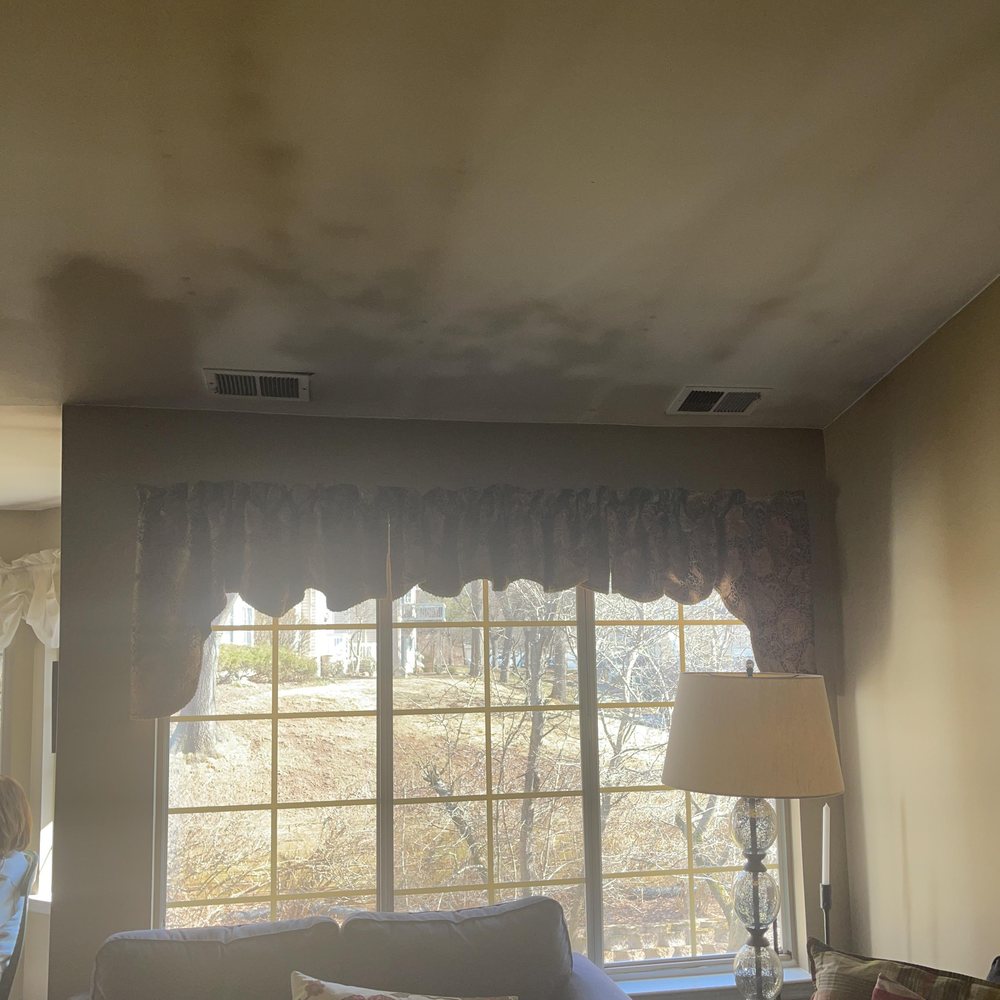
Soot on the walls or ceiling? Do not wipe it. Call first.
Call 973-447-3363Can I clean up smoke and soot myself?
We do not recommend it, because the first wipe with a wet rag usually sets the stain. Until we get there, these 5 things keep the damage from getting worse.
- Do not wipe or wash the walls. Soot smears into the paint.
- Leave the heat and air conditioning off. The system carries soot to every room.
- Stay out of the sooty rooms. If you must go in, wear an N95 mask.
- Do not sit on or use sooty furniture, bedding or clothes. Soot gets pressed into the fabric.
- Call PDQ at 973-447-3363. Report the claim with us, not before us.
The biggest mistake people make cleaning soot themselves is not realizing how far it reaches. A closed bedroom door does not stop it. Soot goes through the gap under the door. Cleaning it yourself means missing places, because you do not know how thorough the job has to be.
What is soot, and why can it not just be left?
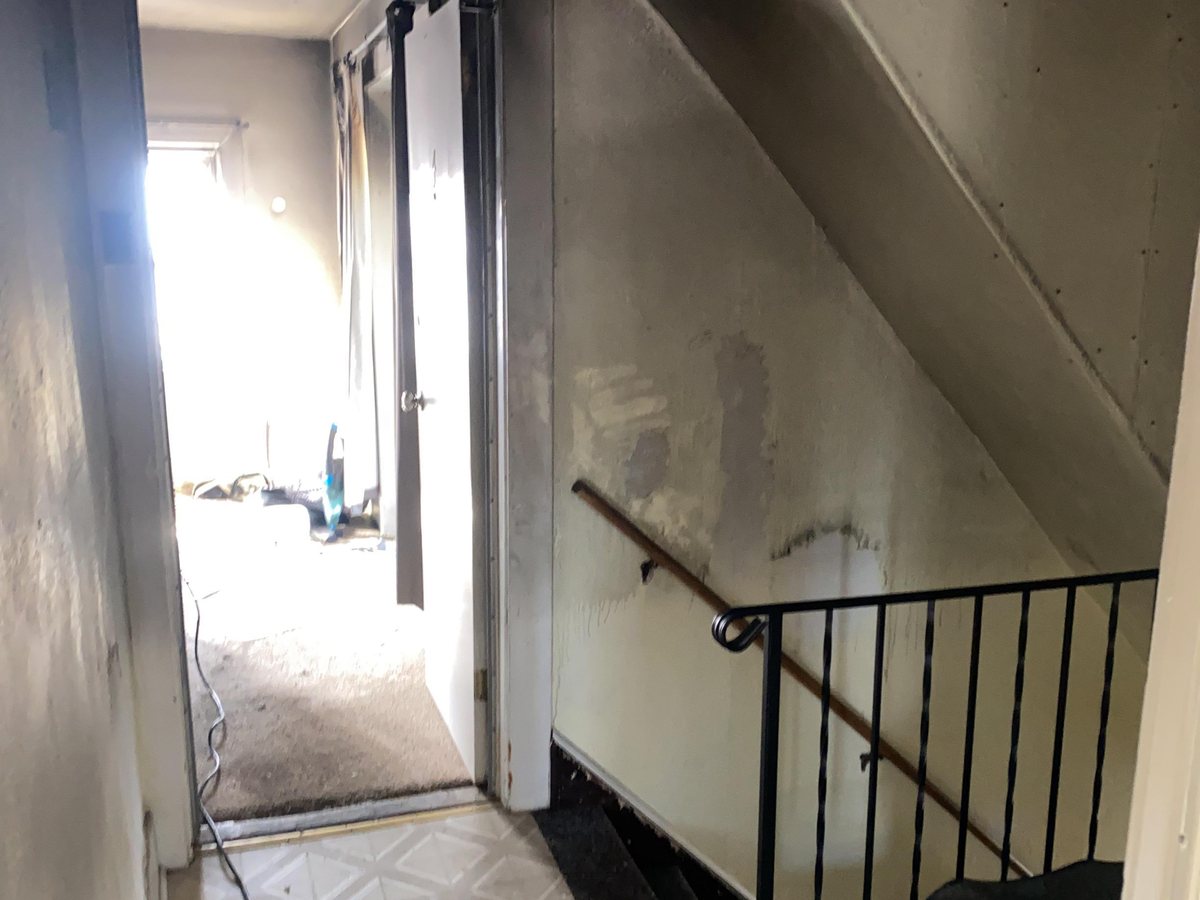
Soot is the fine black residue of whatever burned, and it keeps doing damage until it is cleaned off. Many fire residues are corrosive, especially from burned plastics. The longer soot sits on a surface, the more likely that surface stains for good.
- It travels. Smoke goes to cooler rooms and upper floors, into closets, cabinets and drawers.
- It is oily. It sticks to paint and smears when it is wiped.
- It can corrode. Metal, fixtures and electronics are damaged over time.
- It stains. Plastics, appliance finishes, grout and unsealed stone can discolor permanently.
- It smells. The odor stays until the soot is gone.
- It is in the air. Keep children and pets out of sooty rooms.
What kinds of smoke damage are there?
There are four main kinds, and each one is cleaned differently. What burned and how hot it burned decide which one you have. Most house fires leave more than one.
| Kind of smoke | What it looks like | Where it comes from |
|---|---|---|
| Dry smoke | Dry, powdery, gray or black soot | Fast, hot fires in wood and paper |
| Wet smoke | Black, sticky, smeary soot with a strong smell | Slow, smoldering fires and burned plastic or rubber. See electrical and appliance fires |
| Protein smoke | A thin, almost invisible film with a very strong smell | Burned food. See kitchen fires |
| Fuel oil soot | Fine black soot at the vents and on every surface | A furnace that misfires. See furnace puff back |
How does PDQ clean smoke and soot?
We clean the air first, then every surface from the top down, dry before wet. Ceilings are cleaned first, then walls, then floors, so soot is never knocked onto a surface that is already clean.
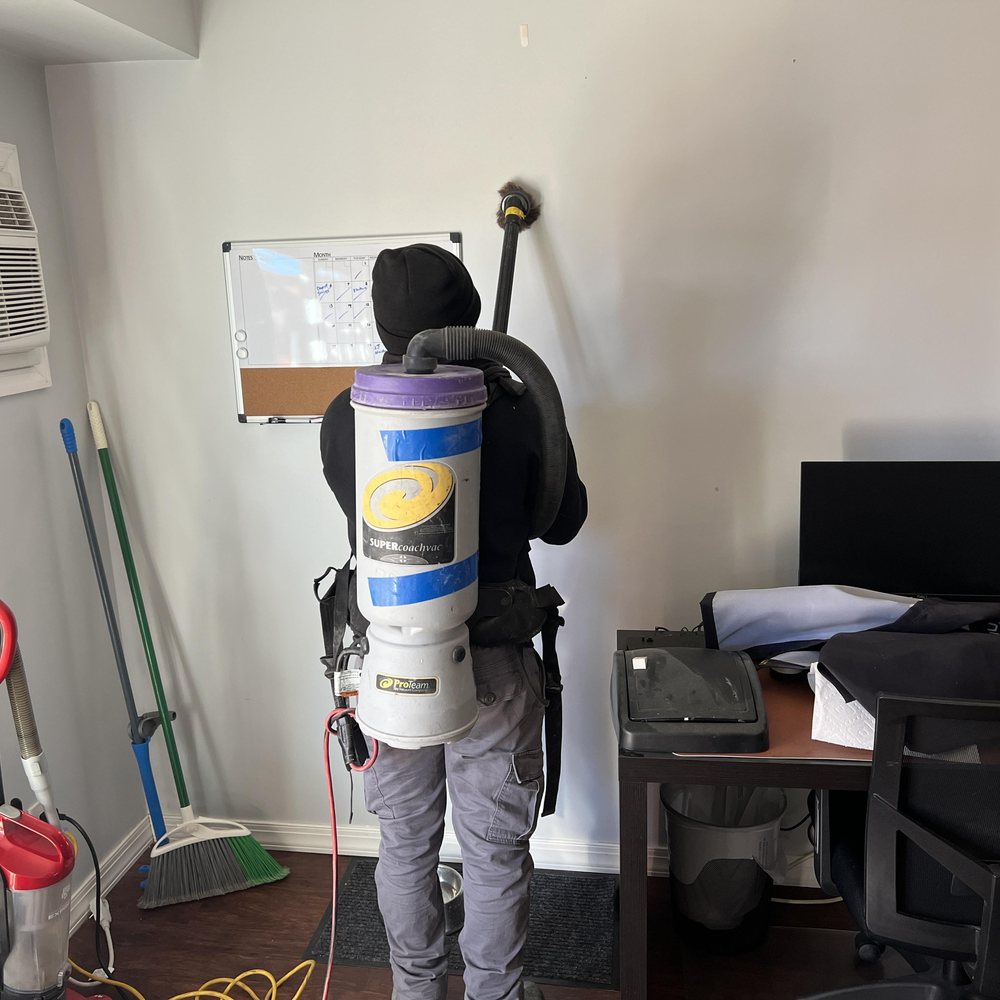
- Clean the air. HEPA air scrubbers and hydroxyl generators run from day one.
- HEPA vacuum. Ceilings, walls, floors and contents, top down.
- Dry soot sponge. Every painted surface, before any water touches it.
- Wet wash. A degreasing cleaner takes off the oily film.
- The small places. Outlets, switches, light fixtures, ceiling fans, vents, closets and the insides of cabinets.
- Heating and cooling system. Assessed and cleaned.
- Seal. Stain-blocking sealer, only after cleaning and only where a stain is left.
Furniture, clothing and other belongings are handled through our contents restoration service. The smell is covered on our smoke odor removal page and backed by our No Odor Guarantee: we come back until the smell is completely gone, with no time limit.
Want the whole house cleaned, not just the room that burned? We check every room.
Call 973-447-3363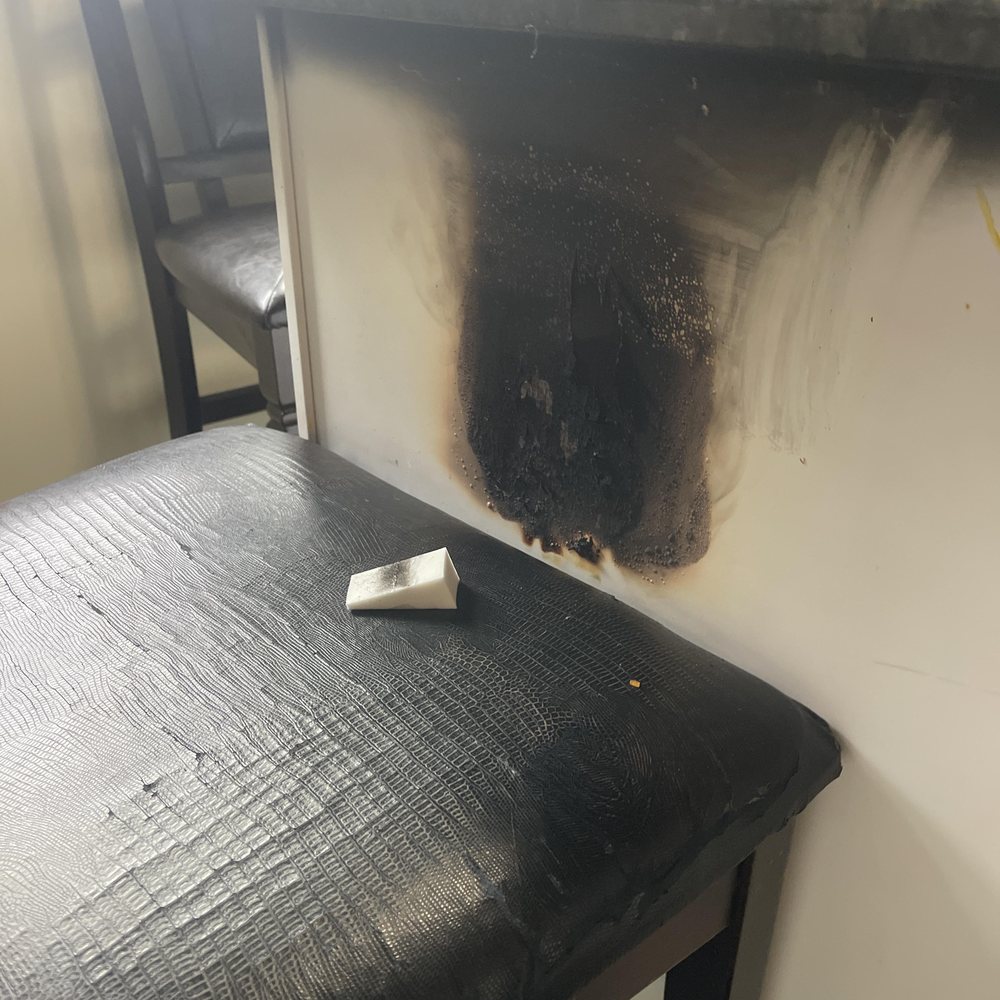
What can be cleaned, and what has to be replaced?
Most hard surfaces can be cleaned. Materials that soaked up smoke or burned are replaced. We document each item as salvageable or unsalvageable, and your insurance company decides what is replaced from that documentation.
| Usually cleaned | Often replaced |
|---|---|
| Painted walls and ceilings | Insulation that took in smoke |
| Wood trim, doors and cabinets | Burned or heat-damaged drywall |
| Tile, hardwood and vinyl floors | Carpet pad and heavily sooted carpet |
| Hard furniture and most contents | Items that have stained permanently |
A real smoke and soot cleanup from our files
Fireplace smoke through the house
A fireplace sent smoke back into the house because of the chimney flue. Nothing actually burned, but soot covered the entire first floor and part of the second. We cleaned the whole structure, the furniture, all the linens and everything porous.
- Cause: fireplace and chimney flue
- Nothing burned
- Entire first floor, part of the second
- About a week and a half
How long does it take?
The full cleaning usually takes 3 to 7 days. Any rebuild comes after the cleanup, on its own timeline. If the fire just happened, start with what to do after a fire.
Does insurance cover smoke and soot cleanup?
Smoke and soot damage from a fire is typically covered by a homeowners policy, and on a covered loss you pay only your deductible. We cannot promise what your carrier will cover. We work with every insurance company and bill them directly.
You pay your deductible
We submit the scope of work we did to your insurance company. There is never a fight about price, only scope.
Free estimate first
Our self-pay pricing is initially built on Xactimate, but is then adjusted to reflect real consumer needs.
More detail: fire damage insurance claims and fire damage restoration cost in NJ.
Who do I call for smoke and soot cleanup?
Call PDQ, and call your insurance company with us. We do the cleaning, the odor removal and the rebuild, as part of our fire damage restoration service.
One call covers the soot, the smell and the rebuild. We answer 24/7.
Call 973-447-3363Smoke and soot questions we hear most
Can I clean soot off the walls myself?
We do not recommend it. A wet rag or a household cleaner smears soot into the paint and makes a permanent stain. Soot has to come off dry first, with a HEPA vacuum and a dry soot sponge, and only then be washed. If you do go into a sooty room, wear an N95 mask.
Is soot dangerous to breathe?
Soot particles are small enough to be breathed deep into the lungs, and they carry whatever burned, including plastics. Stay out of sooty rooms where you can, wear an N95 mask if you go in, and keep children and pets out. We run HEPA air scrubbers from the first day to pull it out of the air.
What are the black webs in the corners after a fire?
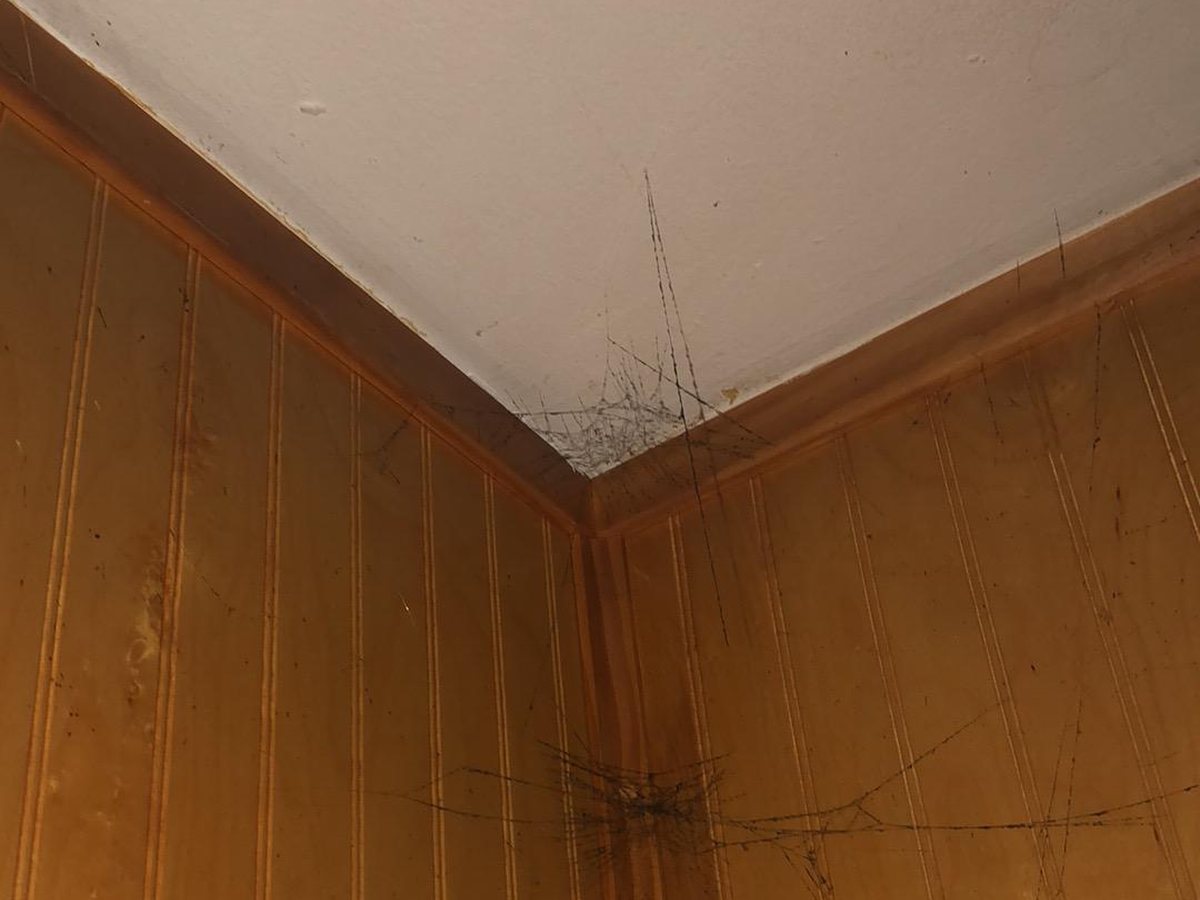
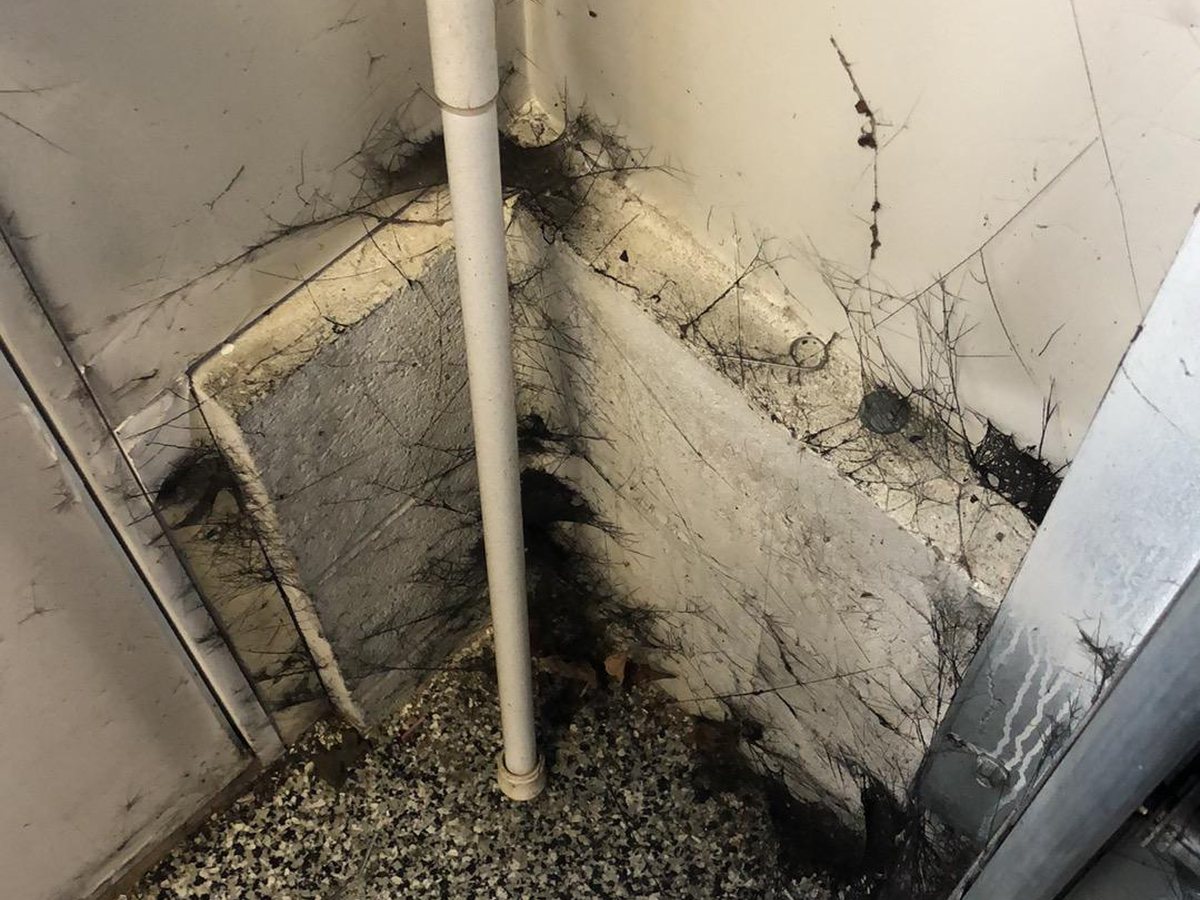
They are soot, not cobwebs. Soot particles link together into chains in the still air of corners and along ceilings. You see them most after fires that burned plastic or rubber. They smear if you brush them, so they are HEPA vacuumed off before the wall is touched.
Can I just paint over smoke damage?
No. Paint over soot does not stick well, the stain bleeds back through and the smell stays in the wall. The surface has to be cleaned first. A stain-blocking sealer goes on only after cleaning, and only where a stain is left. Then it can be painted.
How long does smoke and soot cleanup take?
The full cleaning usually takes 3 to 7 days. That includes wiping down every surface and cleaning the air ducts. A larger home, a home full of contents or a heavy fire takes longer. Any rebuild comes after the cleanup, on its own timeline, once your insurance company has approved the rebuild scope.
Does insurance cover smoke and soot cleanup?
Smoke and soot damage from a fire is typically covered by a homeowners policy, including rooms the fire never reached. We cannot promise what your carrier will cover. On a covered loss you pay only your deductible. We work with every insurance company and bill them directly.
Do you clean smoke damage from a neighbor's fire?
Yes. About 1 in 8 of our fire jobs where the cause was recorded started at a neighboring home or building. Smoke gets in through windows, vents and gaps and leaves soot and odor even though nothing in your home burned. Your own homeowners policy is typically the one that covers it.
Can smoke-damaged furniture and clothes be saved?
Many can. Hard furniture is cleaned, and soft goods such as clothing, bedding and upholstery need special cleaning. Each item is documented as salvageable or unsalvageable, and your insurance company decides what is replaced from that documentation. Do not wash sooty clothes at home first, because it can set the smell.
Smoke or Soot in Your Home? Call PDQ Restoration 24/7
We clean every surface, the air and the ducts, and we come back until the smell is gone.
Call 973-447-3363Contact PDQ Restoration today if you live in Morristown, Sparta, Parsippany, Wayne, Montclair, Paramus, Hackensack, Clifton, or any surrounding New Jersey community.