Toilet Overflow Cleanup in New Jersey
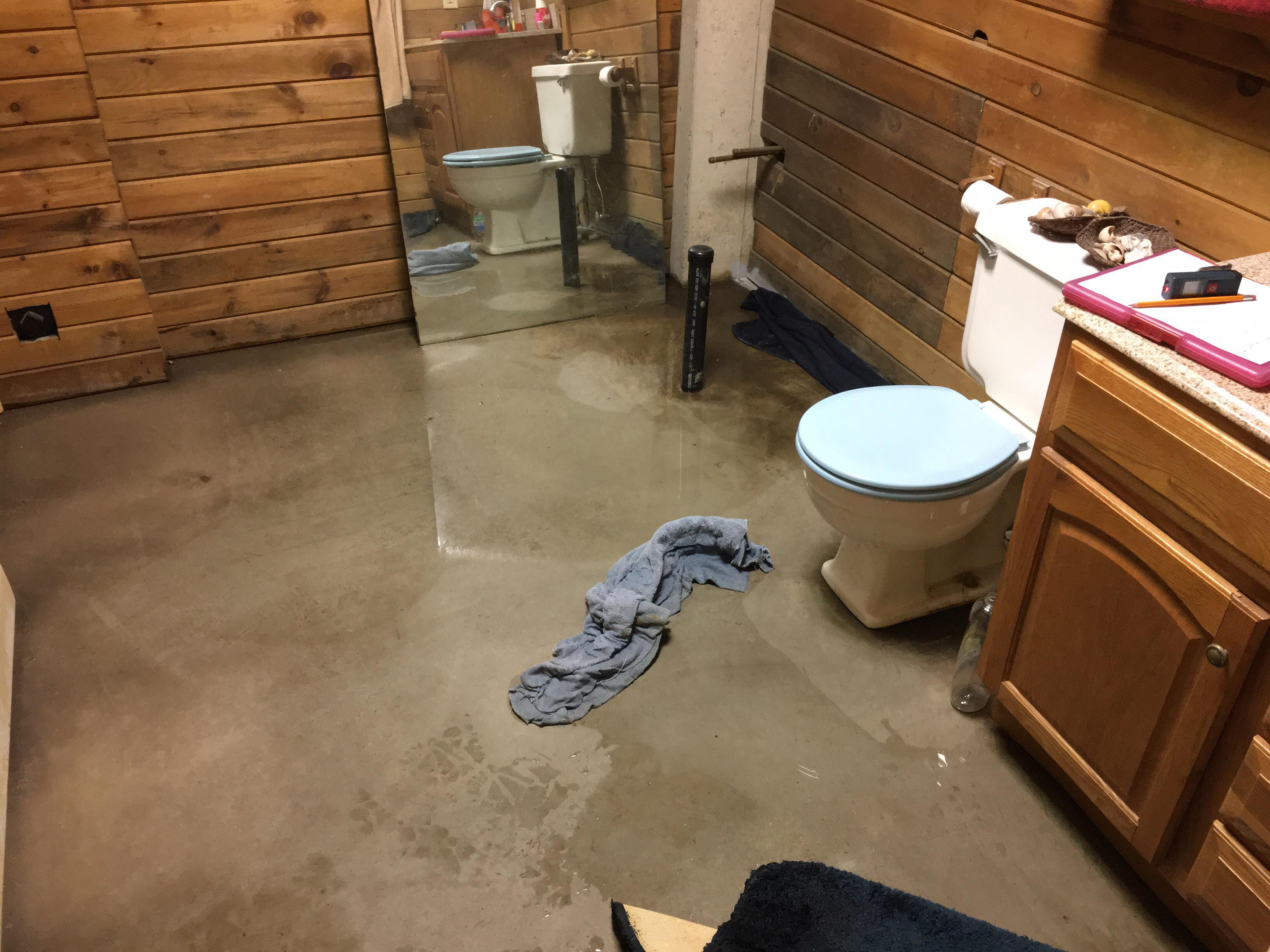
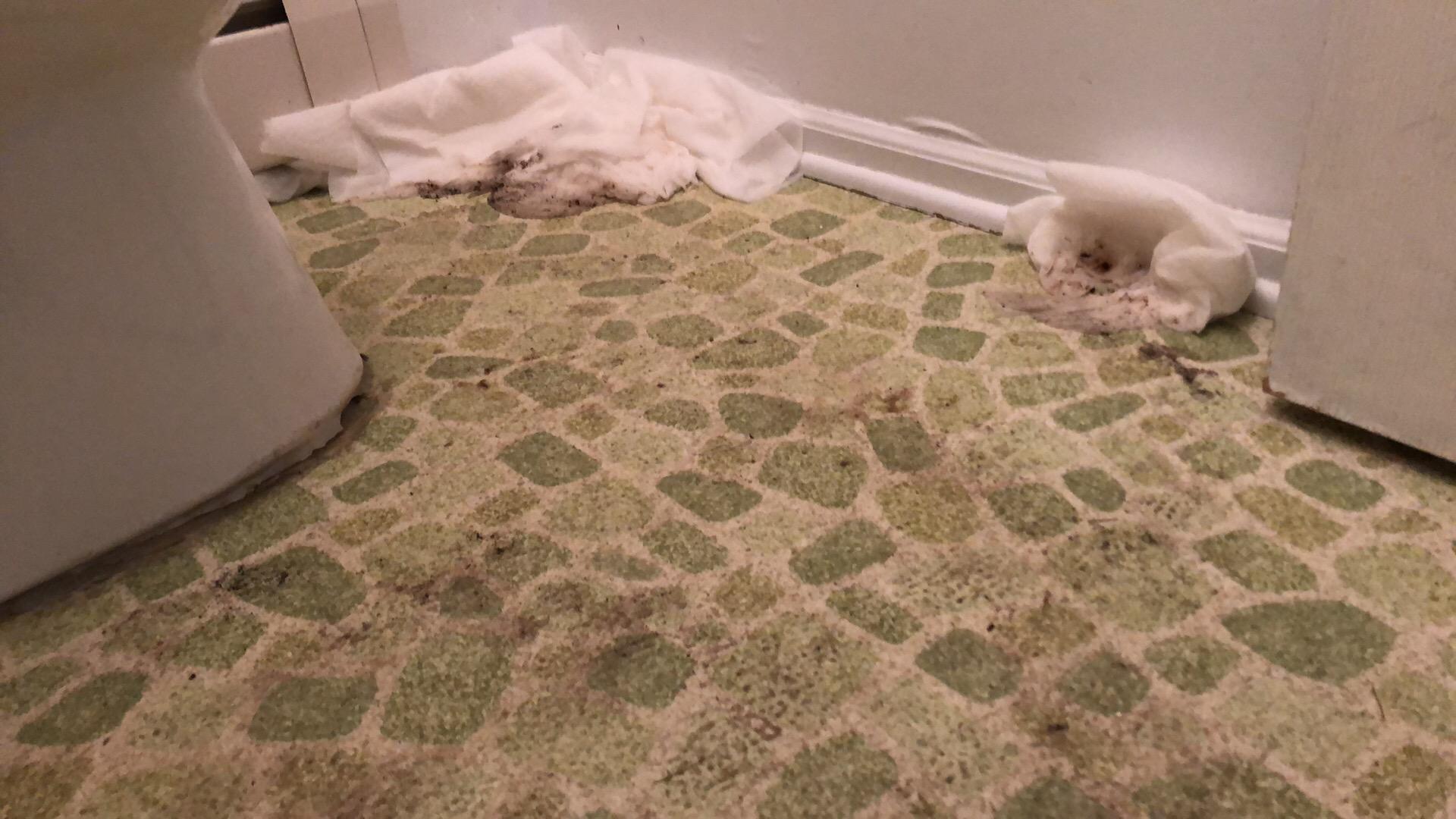
A toilet overflow is one of the most common and unpleasant home emergencies—and one that requires fast action. When an overflowing toilet spills contaminated water onto your floors, it can cause serious water damage, spread harmful bacteria, and create strong odors that are difficult to remove.
At PDQ Restoration, we specialize in professional cleanup and restoration after a toilet overflow or backup. Our certified team responds 24/7 to clean, disinfect, and restore your home or business safely. Whether your toilet is overflowing due to a clog, pipe blockage, or sewer issue, we have the expertise and equipment to get your property back to normal fast.
Common Causes of a Toilet Overflow
An overflowing toilet can happen for many reasons—some simple, others more complex. Knowing what causes it can help you prevent future incidents:
- Clogged drains: Flushing too much toilet paper, wipes, or non-flushable items can block pipes
- Sewer line blockages: Tree roots, buildup, or collapsed pipes can cause water to back up into your home.
- Faulty toilet mechanisms: A broken float or valve can cause the toilet bowl to overflow continuously.
- Septic tank problems: When tanks are full or damaged, waste can back up through toilets and drains.
- Heavy rain or flooding: In some cases, external flooding can force wastewater back through your plumbing system.
If your toilet is overflowing, turn off the water supply valve behind the toilet immediately and avoid using nearby fixtures until the problem is resolved.
How to Handle an Overflowing Toilet Emergency
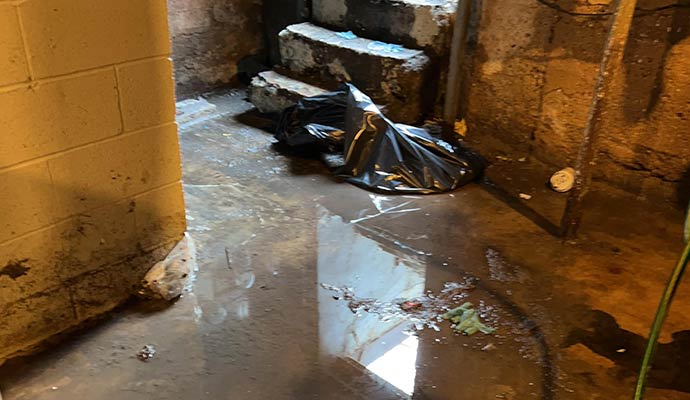
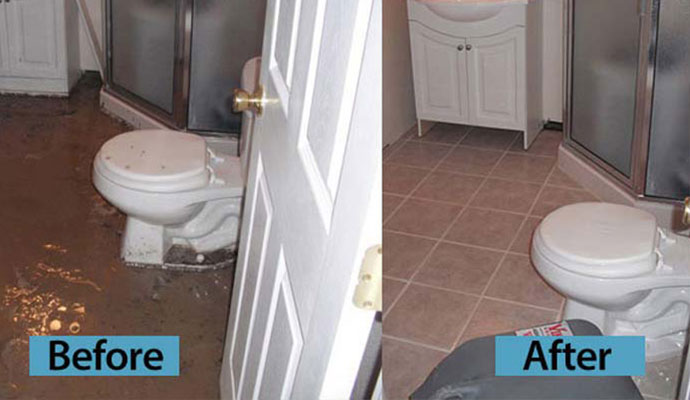
A toilet overflow requires more than just a mop and bucket—it demands professional cleaning and sanitization. Sewage-contaminated water, known as “Category 3” or “black water,” can contain dangerous bacteria and viruses.
Here’s what to do if your toilet overflows:
- Shut off the water supply behind the toilet.
- Avoid using the toilet or nearby drains until the issue is inspected.
- Do not attempt DIY cleanup—contact PDQ Restoration’s certified technicians for immediate assistance.
- Document the damage with photos for your insurance claim.
Our team uses advanced extraction equipment, air scrubbers, and disinfectants to ensure your property is fully decontaminated.

Does Renters Insurance Cover Toilet Overflow?
Many renters ask, “Does renters insurance cover toilet overflow?” The answer depends on the cause. Most renters insurance policies cover sudden and accidental toilet overflows that cause water damage to your personal belongings—like furniture, rugs, and electronics.
However, renters insurance typically does not cover:
- Overflow caused by neglect or lack of maintenance.
- Damage to the structure (the building itself)—that’s the landlord’s responsibility.
If you experience a toilet overflow, notify your landlord and insurance company right away. PDQ Restoration can assist by providing documentation and professional cleanup to support your claim
Toilet Bowl Overflow Cleanup Process
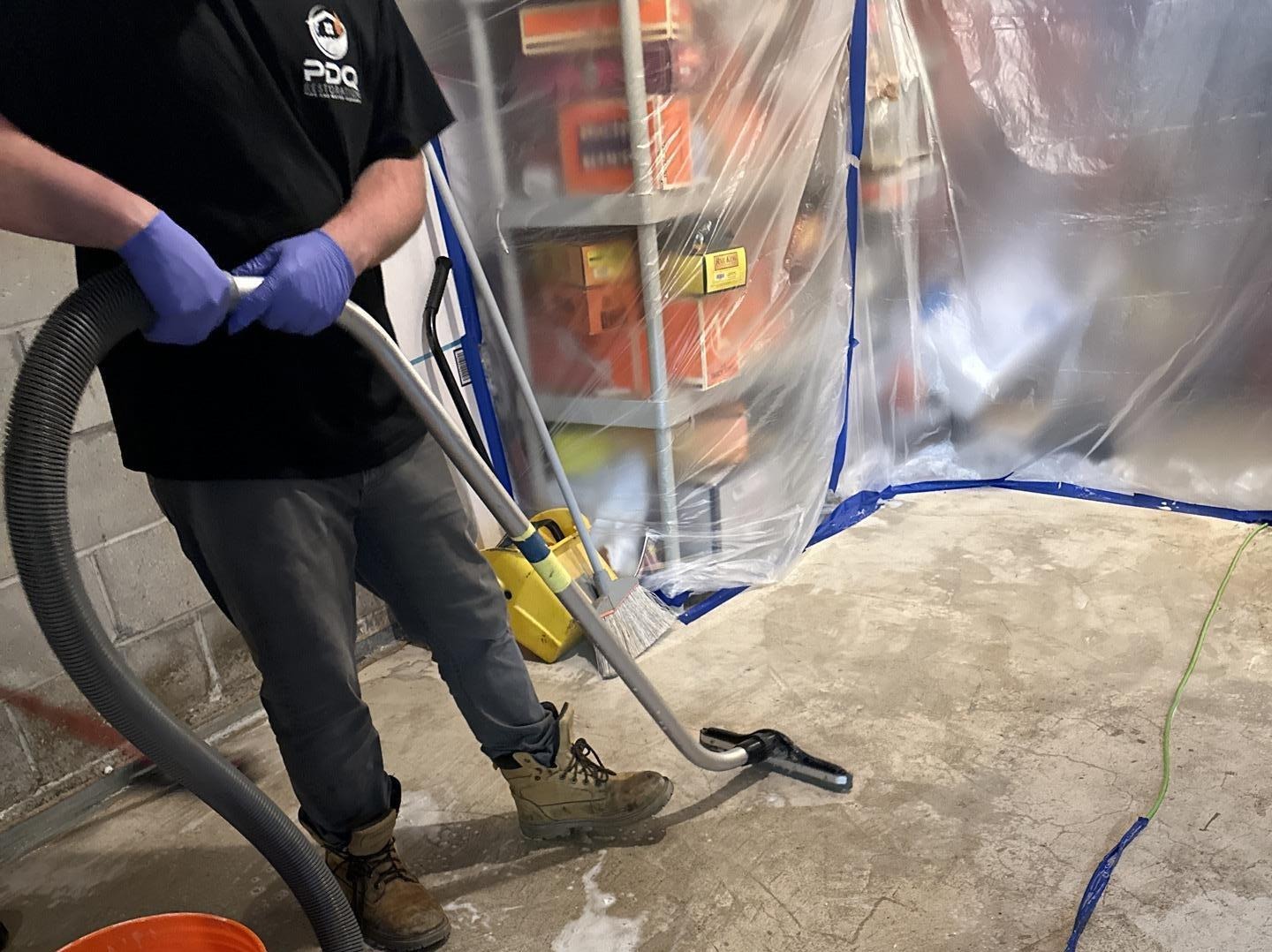
At PDQ Restoration, our toilet bowl overflow cleanup process ensures your home or business is safe, sanitary, and fully restored:
- Inspection & Damage Assessment: We determine the cause and extent of contamination.
- Water Extraction: Using professional-grade pumps and vacuums, we remove standing water quickly.
- Disinfection & Sanitization: We use hospital-grade disinfectants to clean and deodorize affected areas.
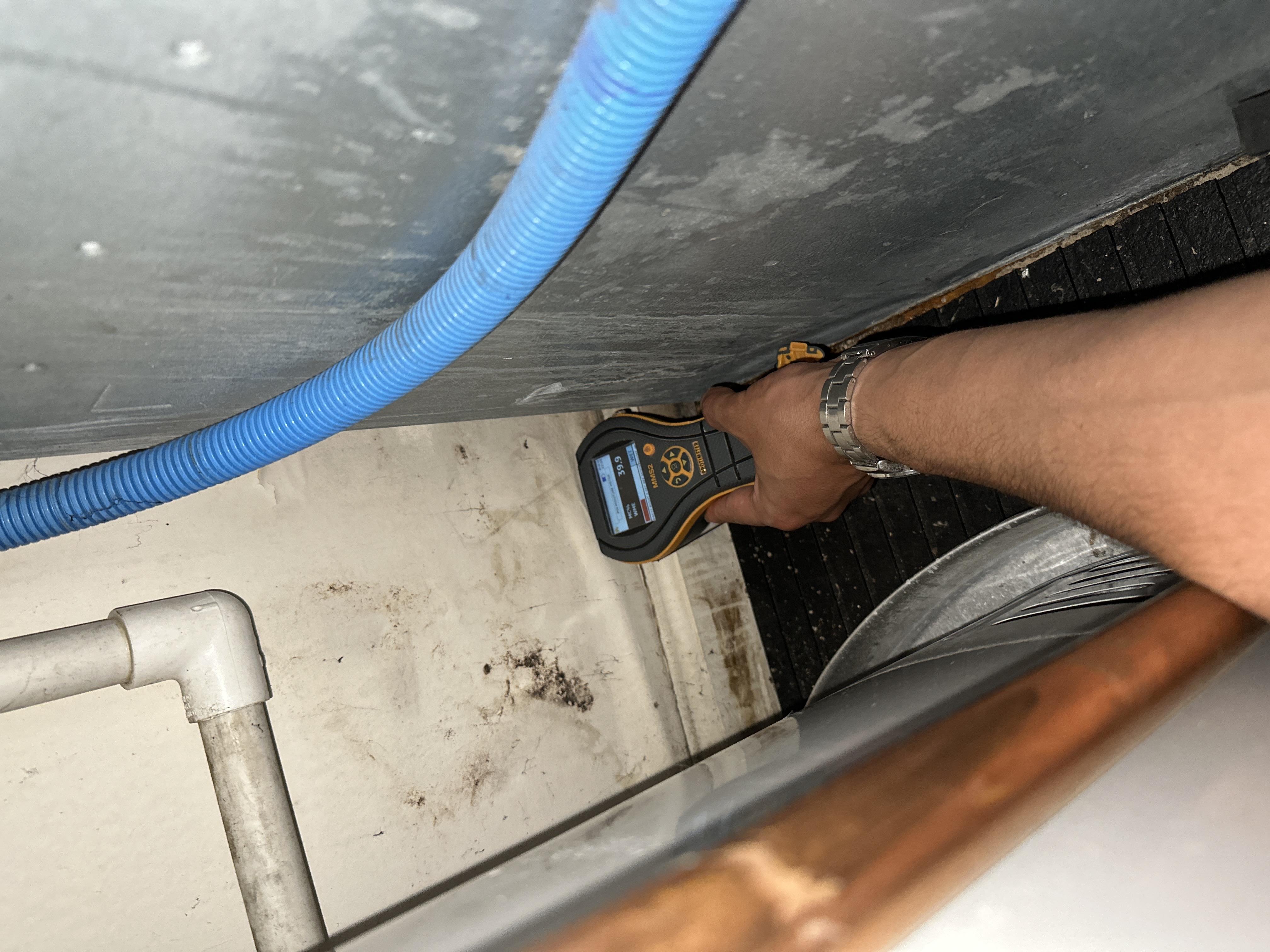
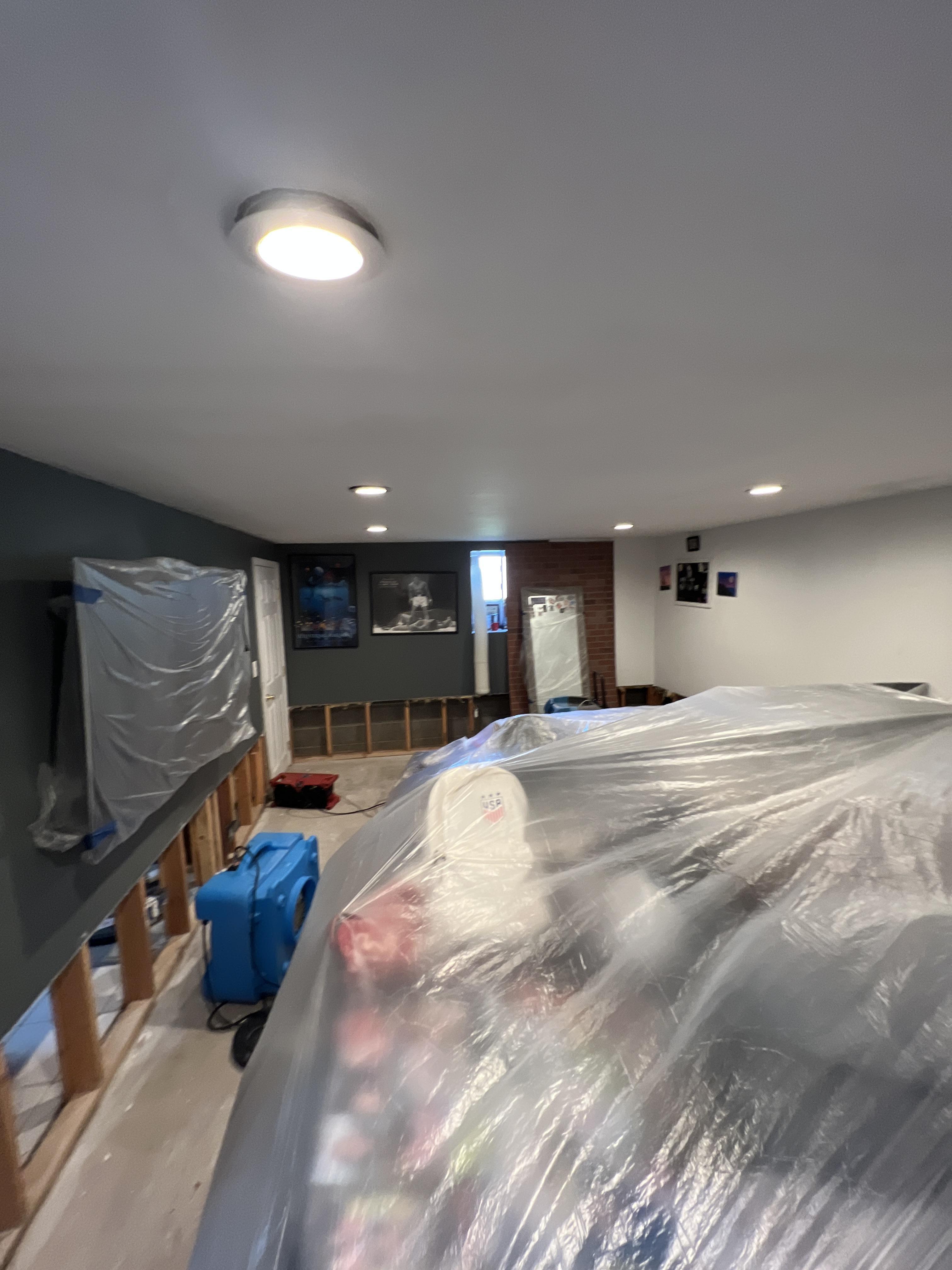
- Structural Drying: Dehumidifiers and air movers prevent mold growth and further damage.
- Restoration & Rebuild: If drywall, flooring, or baseboards are damaged, we repair or replace them.
Our goal is to make the cleanup process as smooth as possible—from the first call to full restoration.
Preventing Future Toilet Overflows
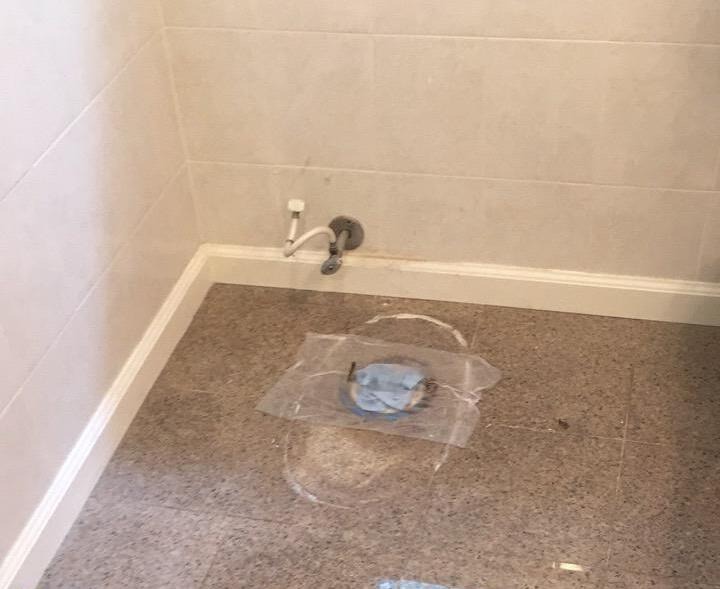
While not all overflows can be avoided, these prevention tips can help protect your home:
- Never flush wipes, paper towels, or feminine products.
- Regularly inspect toilets for running water or slow drainage.
- Schedule routine plumbing maintenance.
- Install a backflow prevention valve to stop sewage from backing up during storms.
- Keep a plunger and toilet auger handy for minor clogs.
Pro Tip: If you experience frequent plumbing issues or backups, consider a professional inspection to identify hidden problems in your sewer or septic system.
Frequently Asked Questions about Toilet Backup Cleanup
A toilet overflow should always be cleaned up immediately to prevent serious water damage and health risks. If not handled quickly, contaminated water can spread bacteria, damage flooring and walls, and create lasting odor problems. Below are some of the most common questions our customers ask our toilet overflow cleanup experts to help you act fast and protect your home.
The average sewer backup cleanup cost ranges from $3,000 to $7,000, depending on the size of the affected area, level of contamination, and the materials damaged. Minor cleanups in small areas may cost under $2,000, while severe backups that impact multiple rooms, flooring, and drywall can exceed $10,000.
Costs typically include:
- Water extraction and waste removal
- Disinfection and odor removal
- Structural drying and dehumidification
- Replacement of damaged drywall, flooring, or insulation
If your backup involves Category 3 (black water) contamination, the cleanup process is more extensive and therefore more expensive.
Helpful tip: Most homeowners insurance policies don’t cover sewer backups automatically—you may need to add a sewer or sump pump backup endorsement to your policy. Having professional documentation from certified sewage cleanup experts can also help support your insurance claim and reduce out-of-pocket costs.
Sewage bacteria can survive on surfaces for days to weeks, depending on the material and environmental conditions. In damp, porous surfaces like wood, carpet, or drywall, harmful microorganisms such as E. coli, Salmonella, and Hepatitis A can persist for up to several weeks if not properly disinfected. On non-porous surfaces like tile or metal, they may survive from a few hours to several days.
Humidity, temperature, and lack of sunlight all help bacteria and viruses from sewage contamination thrive longer indoors. Even after visible cleanup, microscopic pathogens can remain active, creating ongoing health risks such as respiratory issues, infections, and illness.
Helpful tip: DIY cleaning rarely removes all contaminants. Certified sewage cleanup experts use hospital-grade disinfectants and HEPA filtration systems to fully sanitize and restore affected areas, ensuring bacteria are safely eliminated.
No, it is not safe to stay in a house with a sewage backup. Sewage water—also known as black water—contains harmful bacteria, viruses, and parasites that can cause serious health problems such as respiratory infections, skin irritation, and gastrointestinal illness. Even short-term exposure to airborne contaminants or surfaces touched by sewage backup can make people sick, especially children, the elderly, and those with weakened immune systems.
In addition to health hazards, sewage water can quickly soak into flooring, drywall, and furniture, leading to hidden contamination, structural damage, and persistent odor problems.
Helpful tip: Leave the affected area immediately and avoid contact with contaminated materials. Do not attempt DIY cleanup. Contact certified sewage cleanup experts right away to safely remove waste, disinfect your home, and test air quality before returning.
To sanitize after a sewer backup, all affected areas must be cleaned, disinfected, and dried using professional-grade products and equipment. Start by removing all standing water and contaminated materials such as carpet, drywall, and insulation. Then, scrub non-porous surfaces with hot water and detergent before applying a disinfectant rated for sewage cleanup, such as a bleach solution (1 cup bleach per gallon of water) or an EPA-registered antimicrobial cleaner.
Once cleaned, use industrial air movers and dehumidifiers to thoroughly dry the area—moisture can allow bacteria and mold to return within 24–48 hours.
Helpful tip: DIY sanitizing often misses hidden contamination in wall cavities, flooring, or HVAC ducts. Certified sewage cleanup experts use HEPA air scrubbers, fogging systems, and ATP testing to confirm all bacteria and viruses are eliminated, ensuring your home is fully safe and sanitary.
Let Us Handle your Toilet Overflow Needs in New Jersey
✅ Bottom Line: A toilet overflow can quickly turn from a small inconvenience into a major home emergency if not addressed right away. Contaminated water from an overflowing toilet can seep into floors, walls, and subflooring—causing structural damage, foul odors, and dangerous bacterial contamination. That’s why PDQ Restoration responds immediately with 24/7 emergency toilet overflow cleanup services throughout New Jersey.
Our certified technicians remove standing water, disinfect and deodorize affected areas, and restore your home to a clean, safe condition. We handle everything from minor toilet bowl overflow incidents to large-scale sewage backups, using hospital-grade sanitizers and advanced drying equipment to prevent mold and secondary damage.
PDQ Restoration also works directly with your insurance company to simplify the claims process and help minimize out-of-pocket costs. With our expertise, rapid response, and commitment to safety, you can trust that your home will be restored quickly, efficiently, and with the care it deserves.
4.98 out of 371 reviews

Other pages you may be interested in...