Sewage Backup and Collapsed Sewer Line Causes in New Jersey
A sewage backup or collapsed sewer line can quickly turn into a serious health hazard, flooding your home with contaminated water, causing structural damage, and filling your property with foul sewage odor. Whether it starts as a toilet overflow, clogged toilet, or a full sewer line collapse, fast professional help is crucial to protect your home and health.
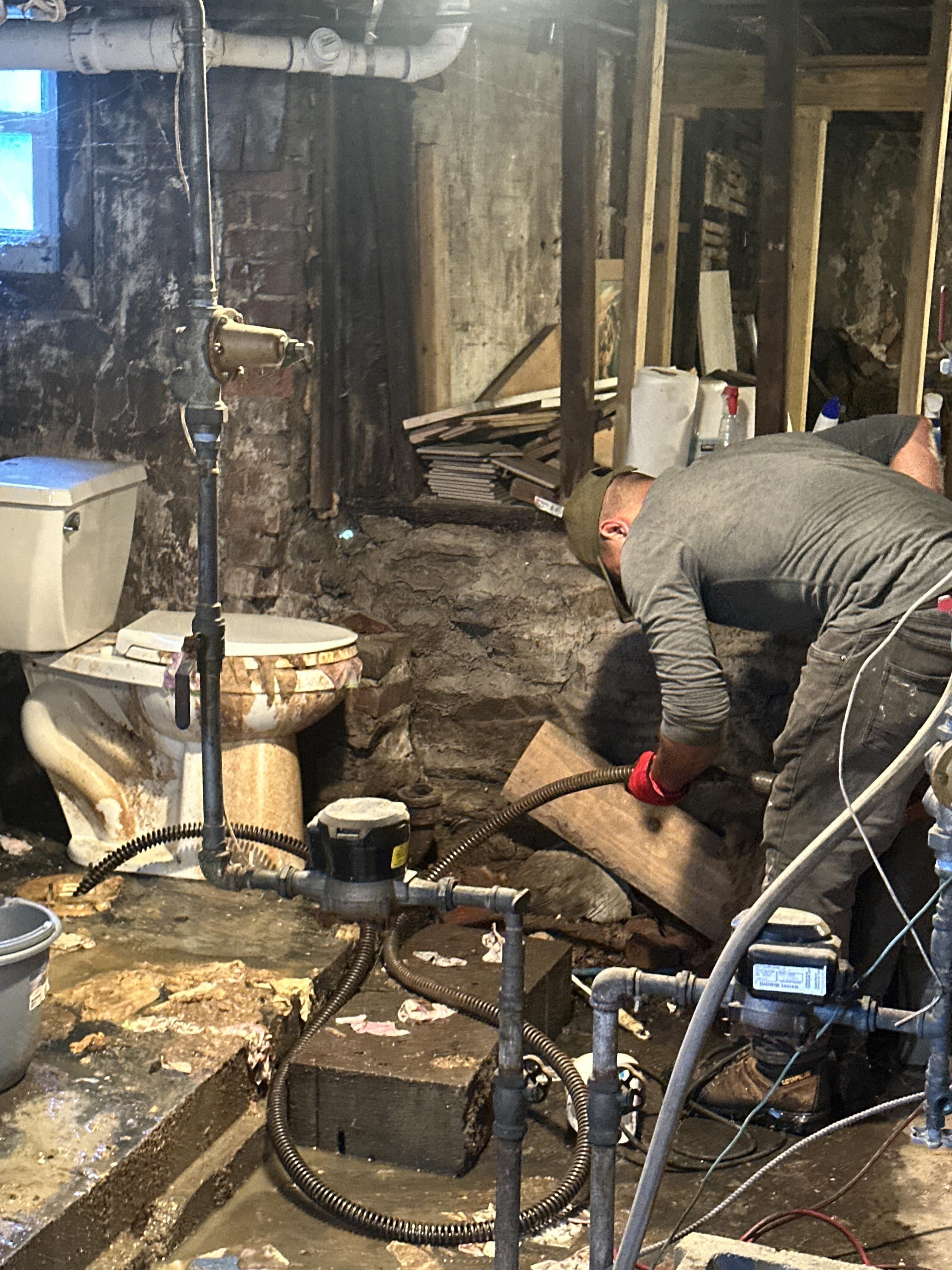
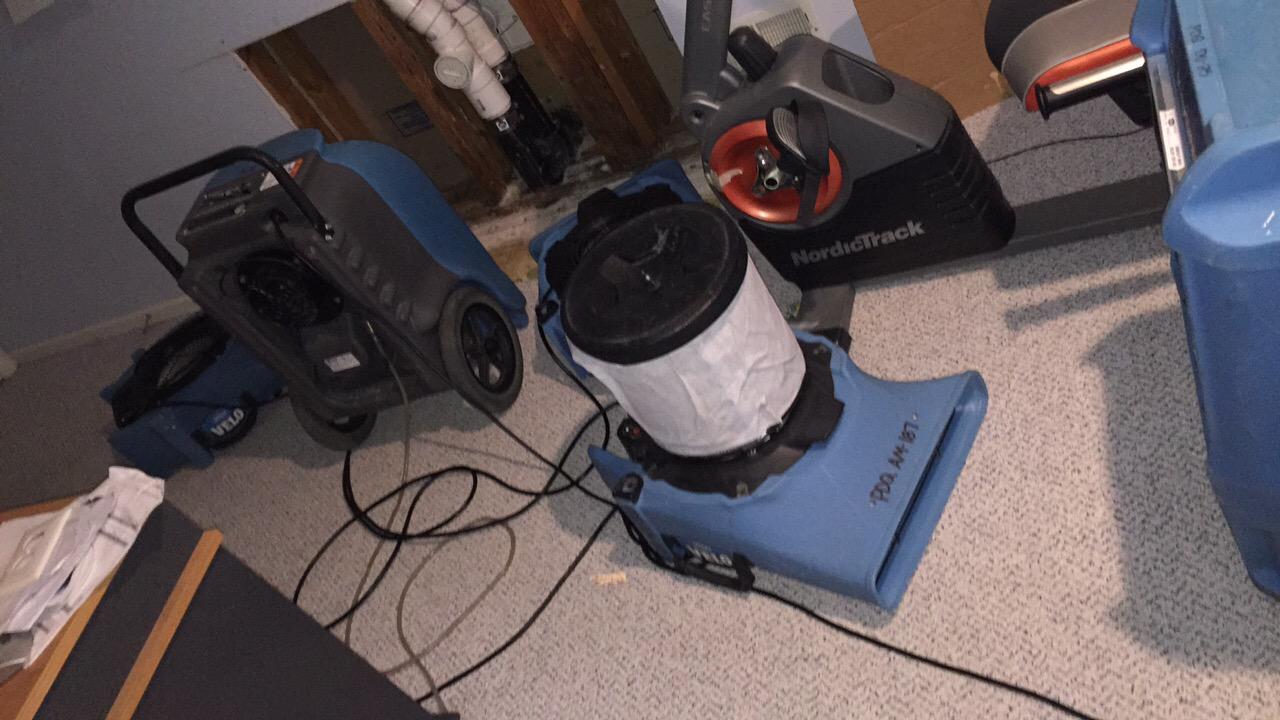
At PDQ Restoration, we specialize in identifying and repairing sewage backups, toilet overflows, and sewer line damage. Our certified team provides 24/7 emergency service to safely clean, disinfect, and restore your property after any type of plumbing or sewer disaster.
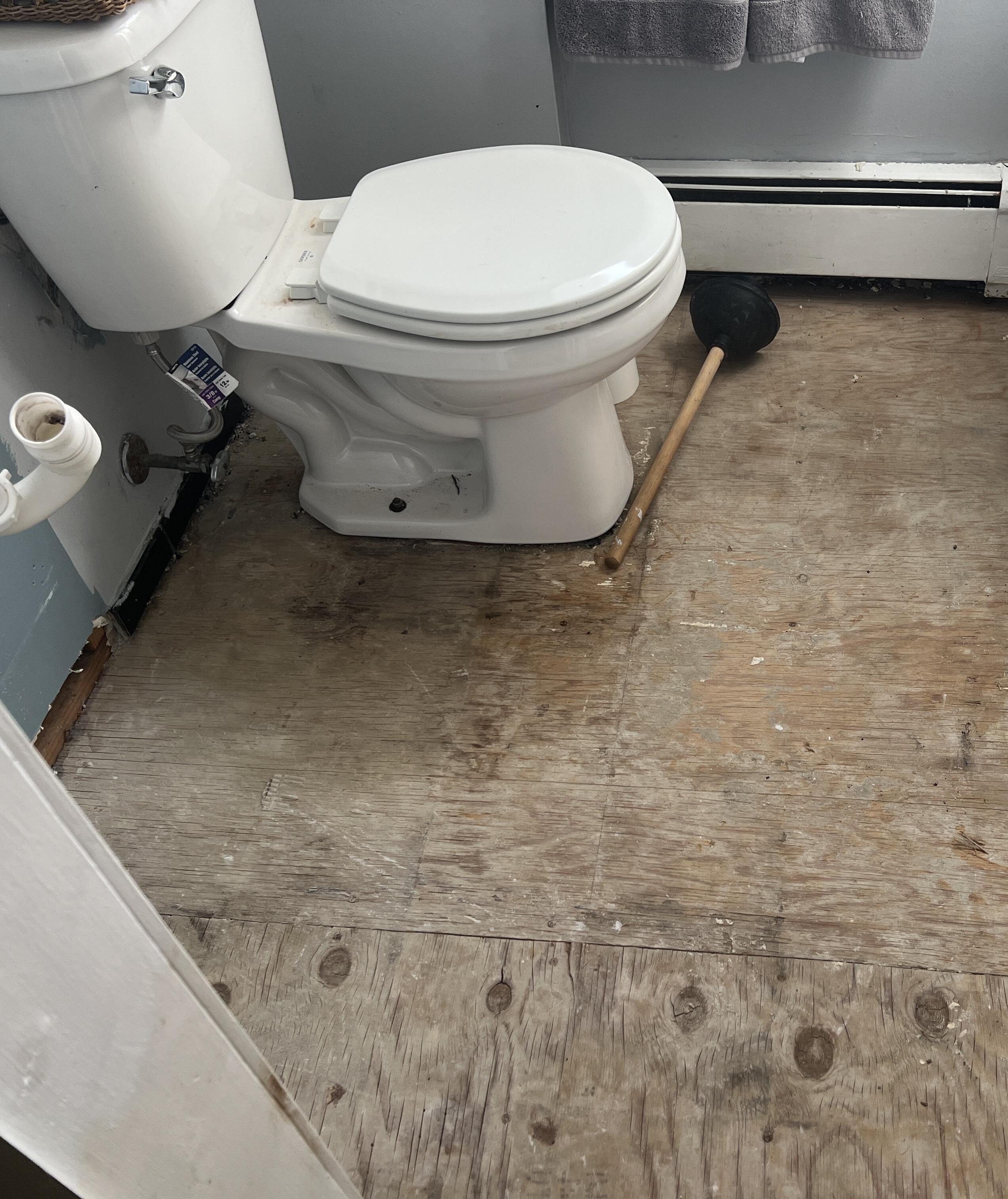
Clogged Toilets and Toilet Backups
A toilet overflow or toilet sewer backup is one of the most common causes of sewage problems in homes. A toilet bowl overflowing can happen for many reasons, from simple clogs to deeper plumbing blockages.
Common Causes of a Toilet Backup:
- Soft clogs: Flushing excessive toilet paper, wipes, or hygiene products that don’t dissolve properly.
- Sewer line blockages: Build-up or partial obstructions in the main sewer line that force wastewater back into your home.
- Septic tank failure: When the septic system is full or damaged, it can cause pressure that leads to toilet overflowing and sewage backing up into drains.
- Improper plumbing vents: Poor airflow in drain lines can cause pressure imbalances and lead to recurring toilet bowl overflow issues.
If you’re dealing with an overflowing toilet, shut off the water supply behind the toilet, avoid using nearby fixtures, and call a professional right away. Quick cleanup and disinfection are essential to stop bacteria from spreading.
Insurance Tip: Many renters ask, “Does renters insurance cover toilet overflow?” Most policies cover sudden and accidental overflows that damage personal belongings—but not the structure itself. Always check your coverage and contact PDQ Restoration for documentation support when filing a claim.
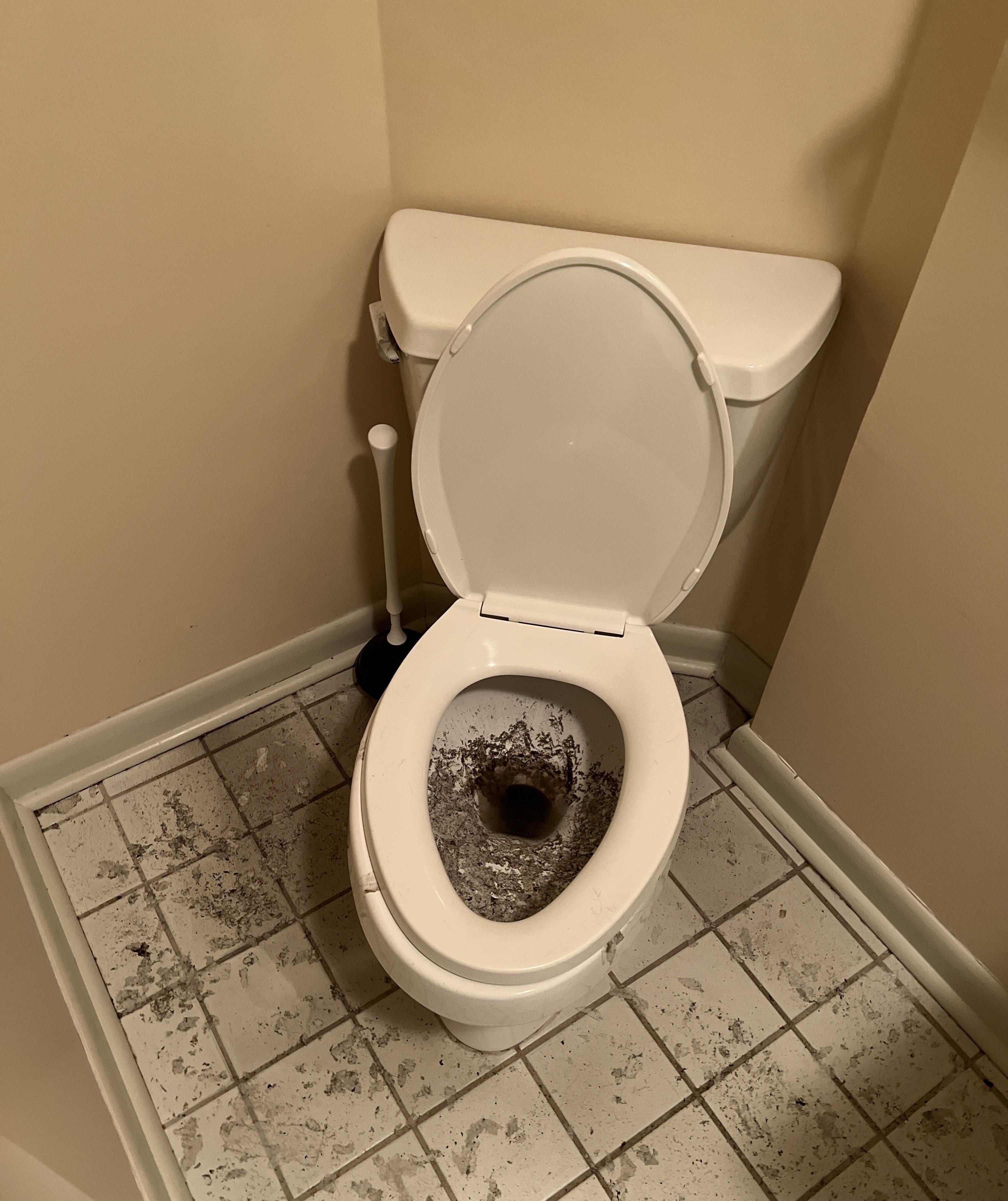
Collapsed Sewer Line and Septic Tank Failure
A collapsed sewer line is one of the most severe and costly plumbing emergencies a homeowner can face. Over time, shifting soil, aging pipes, and heavy tree root growth can cause sewer line damage that leads to backups, slow drains, and foul odors.
Signs of a Collapsed Sewer Line in a House:
- Multiple clogged toilets or slow drains throughout the home
- Gurgling sounds in pipes when using sinks or toilets
- Persistent sewage odor in basement or around the yard
- Water or waste backing up through floor drains or tubs
Tree roots are one of the most common culprits. They seek out moisture and can intrude through small cracks in pipes, eventually breaking and collapsing the sewer line entirely. In homes with septic systems, a septic tank failure can cause similar issues—leading to overflows, backups, and strong sewage odors from toilets and drains.
Professional inspection with a sewer camera is the best way to confirm a collapse. PDQ Restoration can coordinate with plumbing professionals to diagnose and repair collapsed sewer lines, then perform full cleanup and sanitation.
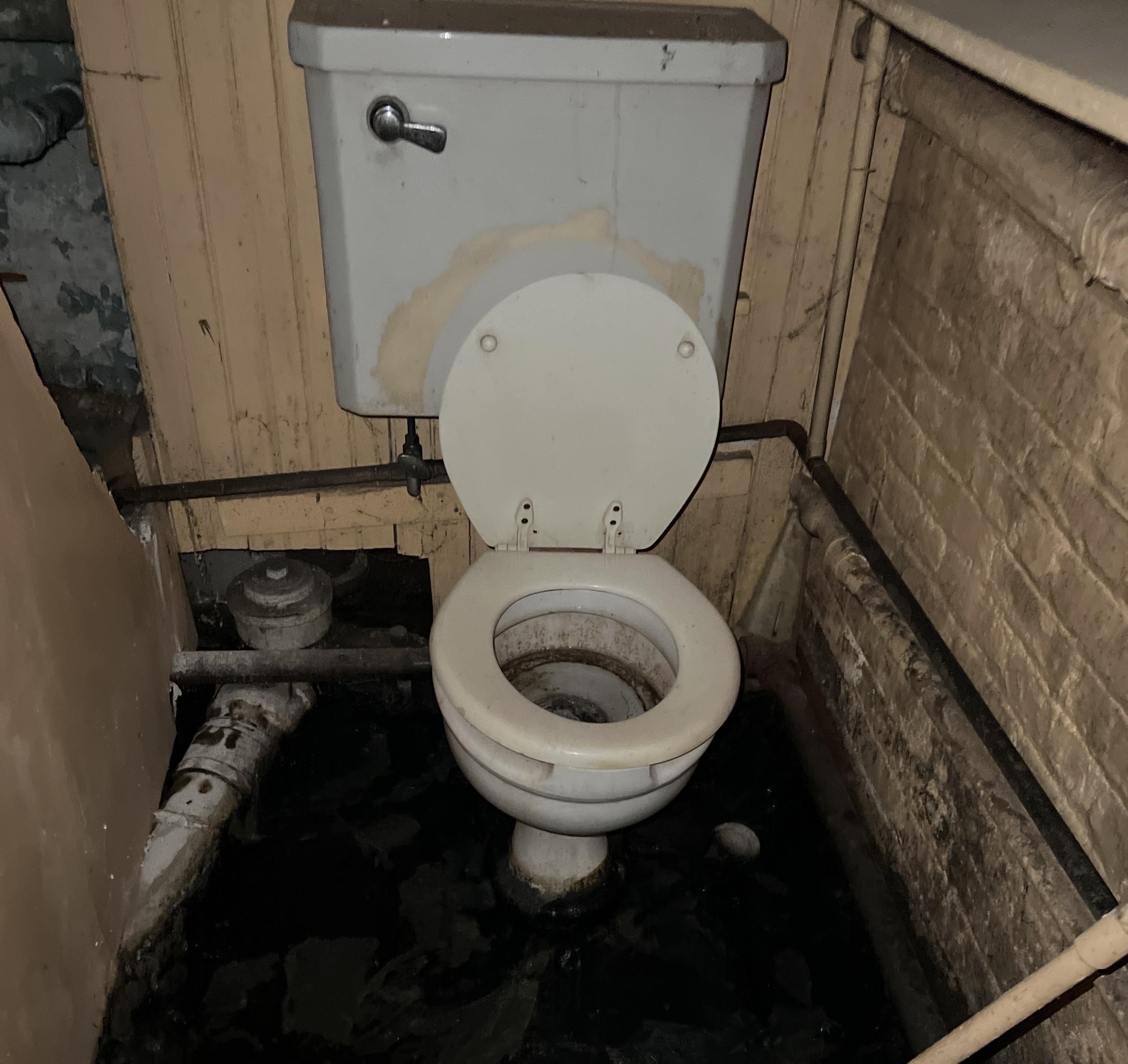
Sewage Odor Removal
A lingering sewage odor—especially a sewage odor in the basement or sewage odor from toilet—is a clear sign of a plumbing or ventilation issue. Even after visible water is removed, microscopic bacteria and gases can remain trapped in floors, walls, and air ducts.
Our odor removal process includes:
- Identifying the source of the sewage smell or toilet overflow contamination.
- Deep cleaning and disinfecting affected areas using hospital-grade products.
- HVAC and duct sanitation to remove airborne contaminants.
- Application of a professional sewage odor neutralizer to fully eliminate lingering smells.
Ignoring sewage odor can lead to long-term health problems and hidden mold growth. PDQ Restoration ensures your home smells clean and safe again—without masking the issue.
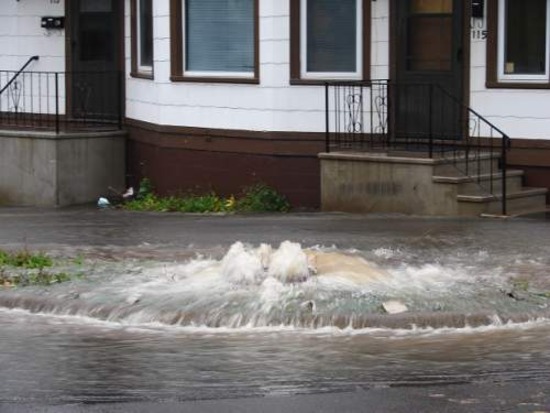
City Sewer System Flooding
Sometimes, the cause of your toilet sewer backup or toilet overflowing isn’t in your home at all—it’s due to city sewer system flooding. During heavy rainfall or storm events, municipal sewers can become overloaded, forcing wastewater back through residential lines.
When this happens, the result is often toilet bowl overflow, floor drain backups, or contaminated water seeping into the basement. Unfortunately, standard homeowners insurance doesn’t always cover flooding caused by city sewers unless you have a specific sewer backup endorsement.
If your neighborhood experiences sewer line damage or flooding, contact PDQ Restoration right away. Our team provides emergency extraction, sanitization, and odor removal to make your home safe again after a sewage backup from city systems.
Frequently Asked Questions about Sewage Damage Causes
Sewage damage should always be addressed immediately to prevent serious health risks and costly repairs. If left untreated, sewage can spread harmful bacteria, cause structural damage, and create strong, lingering odors in your home. Below are some of the most common questions our customers ask our sewage cleanup experts about what causes sewage damage and how to prevent it.
The main cause of sewer blockage is a buildup of materials that shouldn’t enter your plumbing system—most commonly grease, wipes, paper towels, and tree roots. Grease and fats poured down sinks harden inside pipes, creating sticky layers that trap debris. At the same time, so-called “flushable” wipes and hygiene products don’t break down like toilet paper, leading to clogs deep in the line.
Another frequent cause is tree root intrusion, especially in older clay or cast-iron pipes. Roots seek moisture, grow into small cracks, and eventually cause collapsed sewer lines or total blockages. Ground shifting, aging pipes, and septic tank failure can also reduce flow and cause backups.
Helpful tip: To prevent sewer line blockages, never pour grease down drains, flush only toilet paper, and have your main sewer line inspected every few years—especially if you notice sewage odor in the basement, slow drains, or gurgling toilets. Early maintenance is far less costly than repairing a toilet sewer backup or full sewer line damage later.
Several factors can damage a sewer line, but the most common include tree root intrusion, aging pipes, ground shifting, and clogged drains. Tree roots naturally seek out moisture and can enter tiny cracks in sewer pipes, eventually breaking or collapsing the line entirely. Older clay, cast iron, or corroded metal pipes are also more prone to cracking and deterioration over time.
Heavy construction, soil erosion, or seasonal ground movement can shift pipes out of alignment, leading to leaks, blockages, and sewer line damage. In addition, flushing wipes, grease, or non-biodegradable materials can cause buildup that stresses the system and leads to toilet sewer backups or even a collapsed sewer line.
Helpful tip: Schedule regular drain inspections and cleaning, especially if you notice slow drains, gurgling toilets, or sewage odor in the basement—these can be early signs of sewer line damage. Preventative maintenance is the most effective way to avoid costly repairs and full pipe replacement.
Sewage leaks happen when wastewater escapes from damaged or blocked pipes before it reaches the main sewer system. The most common causes include cracked or collapsed sewer lines, tree root intrusion, pipe corrosion, and loose plumbing connections. Over time, pressure from soil movement, aging materials, or heavy rainfall can weaken joints and allow sewage to leak into the ground—or even into your basement.
Blockages from grease buildup, wipes, or non-flushable items can also cause pipes to burst under pressure, while septic tank failure may force waste back through drains or create underground leaks.
Helpful tip: Signs of a sewage leak include soggy or foul-smelling spots in your yard, slow drains, or sewage odor from toilets or basements. Regular plumbing inspections and early repair of small leaks can prevent major sewer line damage and contamination later.
Standard homeowners insurance typically does not cover sewer line damage unless the cause is sudden and accidental—such as damage from a fire, explosion, or vehicle impact. Most policies exclude issues caused by wear and tear, tree root intrusion, ground shifting, or aging pipes, which are the most common reasons for sewer line damage.
However, many insurance companies offer optional service line coverage or a sewer and drain backup endorsement. These add-ons can help pay for repairs or replacement of collapsed sewer lines, cleanup after a toilet overflow, and restoration costs from contaminated water or sewage odor in basements.
Helpful tip: Review your policy to see if you have coverage for sewer or drain backups. If not, adding this protection is relatively inexpensive and can save thousands in cleanup and repair costs after a sewage backup or toilet sewer backup.
Need Help Now? Call PDQ Restoration for Expert Sewage Cleanup
✅ Bottom Line: A sewage backup or collapsed sewer line can cause serious structural damage, lingering sewage odors, and health risks if not handled fast. Contaminated water from an overflowing toilet or toilet bowl overflow can soak into floors and walls, leading to mold, bacteria growth, and long-term property damage.
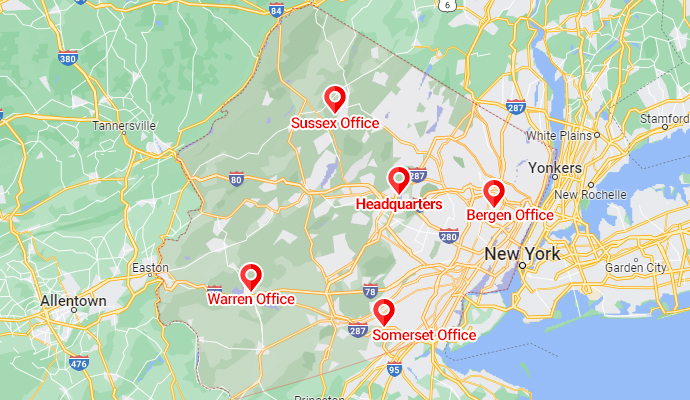
PDQ Restoration provides 24/7 emergency cleanup throughout New Jersey, handling everything from toilet sewer backups and septic tank failures to city sewer system flooding. Our certified team removes contamination, repairs sewer line damage, and eliminates odors with professional sewage odor neutralizers, restoring your home safely and efficiently.
To help prevent future problems, schedule regular plumbing inspections, pump your septic tank every few years, and avoid flushing wipes, grease, or paper towels. Watch for early warning signs like slow drains, gurgling pipes, or sewage odor in the basement—they may signal a blockage or collapsed sewer line.
With PDQ Restoration’s expertise, your home will be clean, safe, and protected from future sewage emergencies.
4.98 out of 325 reviews

Other pages you may be interested in...