Sewage Damage Cleanup in New Jersey
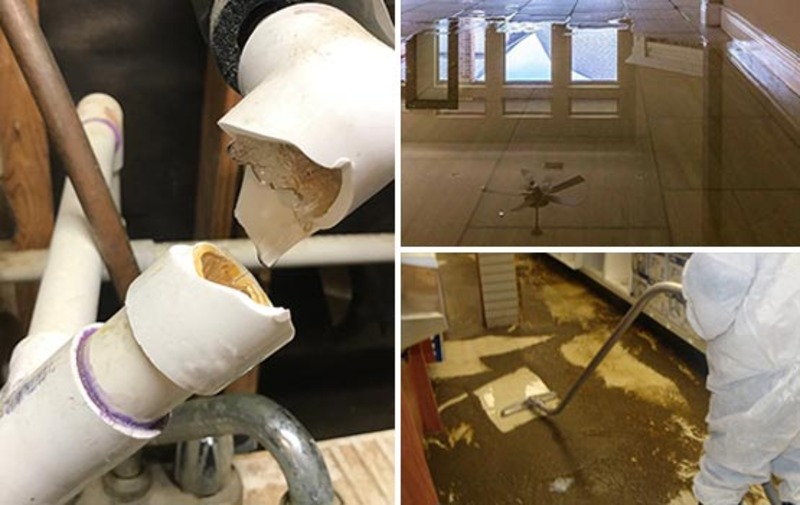
When a sewer line backs up into your home, it’s more than just a mess—it’s a serious health hazard. Sewage damage cleanup may be needed after heavy rains or flooding, clogged drains, tree root intrusion, broken or aging pipes, septic tank overflows, or even municipal sewer malfunctions. No matter the cause, sewage brings dangerous bacteria and toxins that can quickly spread through your home. Professional cleanup is essential to protect your health, restore sanitation, and prevent long-term structural damage.
At PDQ Restoration, our certified sewage cleanup experts respond quickly to provide emergency decontamination, repairs, and insurance claim support. Whether you’re searching for sewage cleanup near me or need large-scale restoration, our team is here to help 24/7. Call us at 973-447-3363.
Emergency Sewer Backup & Sewage Cleanup Services
An emergency sewer backup can strike at any time due to clogged drains, tree roots, collapsed sewer lines, or storm flooding. If not handled immediately, sewage can cause:
- Severe property damage
- Mold growth and structural weakening
- Harmful bacteria and viruses that threaten your health
- Loss of personal belongings and valuables
That’s why our sewage cleanup services are designed for fast, safe, and thorough restoration. From initial cleanup to final rebuild, PDQ Restoration is the sewage cleanup company you can count on.
PDQ’s Sewage Damage Cleanup Process
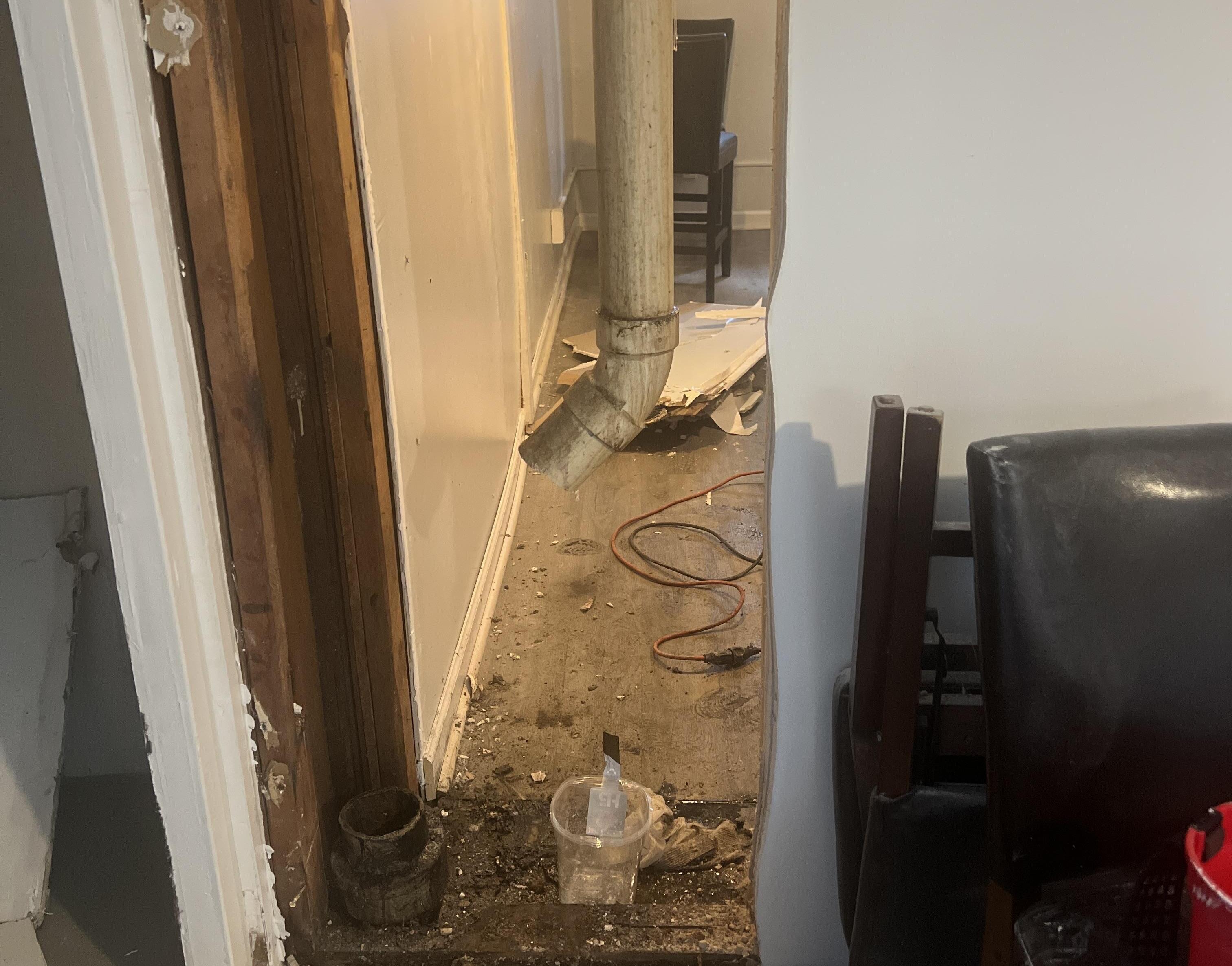
Our proven sewage damage cleanup process ensures your property is safe, clean, and fully restored:
- Thorough Assessment & Documentation – We evaluate the extent of contamination, take photos, and record damage for insurance claims.
- Disposal of Tainted Items – Food, medication, and other contaminated items are safely removed and documented.
- Immediate Cleanup – Our team begins sewage extraction and sanitation right away.
- Rapid Response Crew – We deploy 8–12 technicians to decontaminate the structure and contents.
- HVAC Cleaning & Sanitation – Air ducts are disinfected, and all HVAC filters are replaced.
- Soft Goods Restoration – Clothing, bedding, and draperies are cleaned and deodorized.
- Rebuild & Repair – We discuss restoration options like painting, flooring, cabinetry, and more to bring your home back to pre-loss condition.
- Insurance Coordination – We work directly with your adjuster to document scope, costs, and claim details.
Understanding Sewage Cleanup Cost
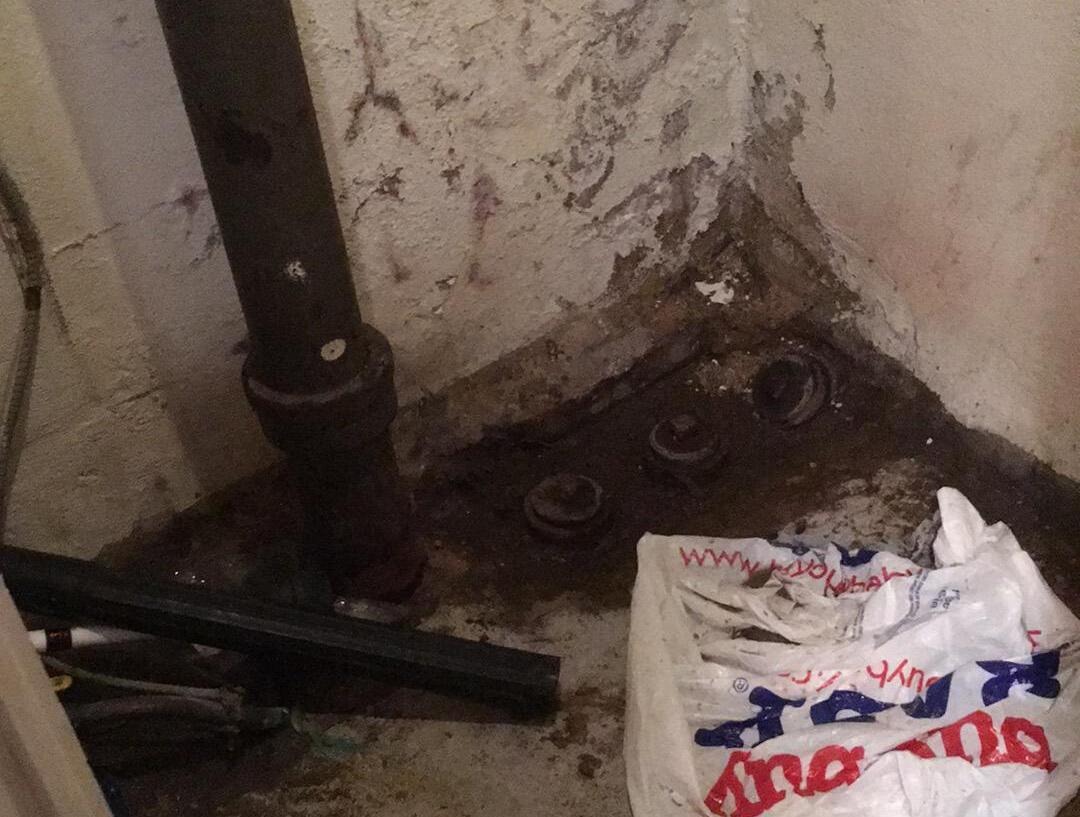
The sewage cleanup cost varies depending on the size of the affected area, the type of contamination, and the level of restoration required. Factors that influence cost include:
- Square footage affected
- Level of contamination (Category 3 black water is the most hazardous)
- Damage to walls, floors, and contents
- Required repairs or rebuilds
While the cost of sewage cleanup can feel overwhelming, PDQ Restoration provides transparent estimates, direct insurance billing, and options to reduce out-of-pocket expenses.
Commercial Sewage Cleanup
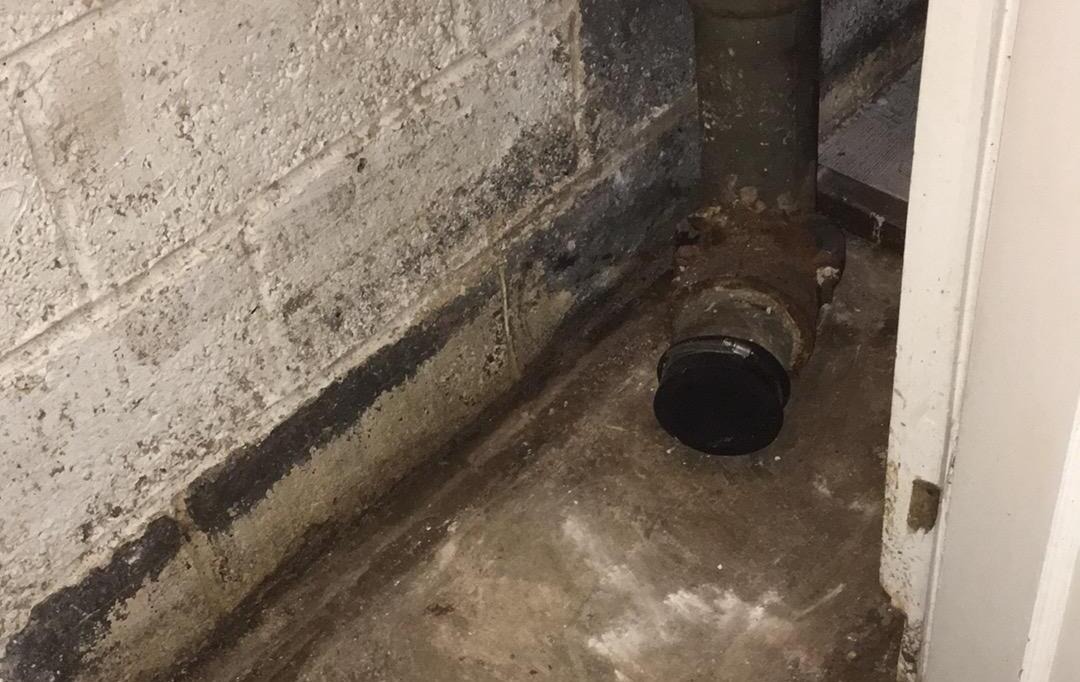
When a sewage backup impacts a commercial property, the consequences can be devastating. Business interruption, health code violations, and damaged inventory all require immediate action.
Our commercial sewage cleanup services include:
- Rapid water and sewage extraction
- Disinfection of contaminated areas
- Cleaning of HVAC systems, ducts, and filters
- Contents cleaning and inventory documentation
- Support with commercial damage insurance claims
Whether you operate a restaurant, office, or industrial facility, PDQ Restoration’s sewage cleanup experts understand the urgency of getting your business back online fast.
Toilet Overflow Cleanup in New Jersey
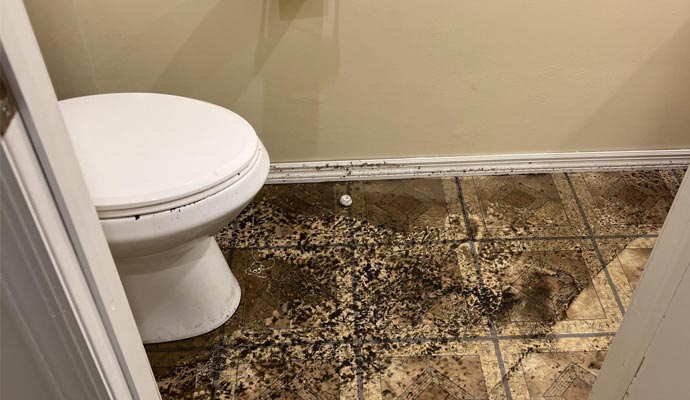
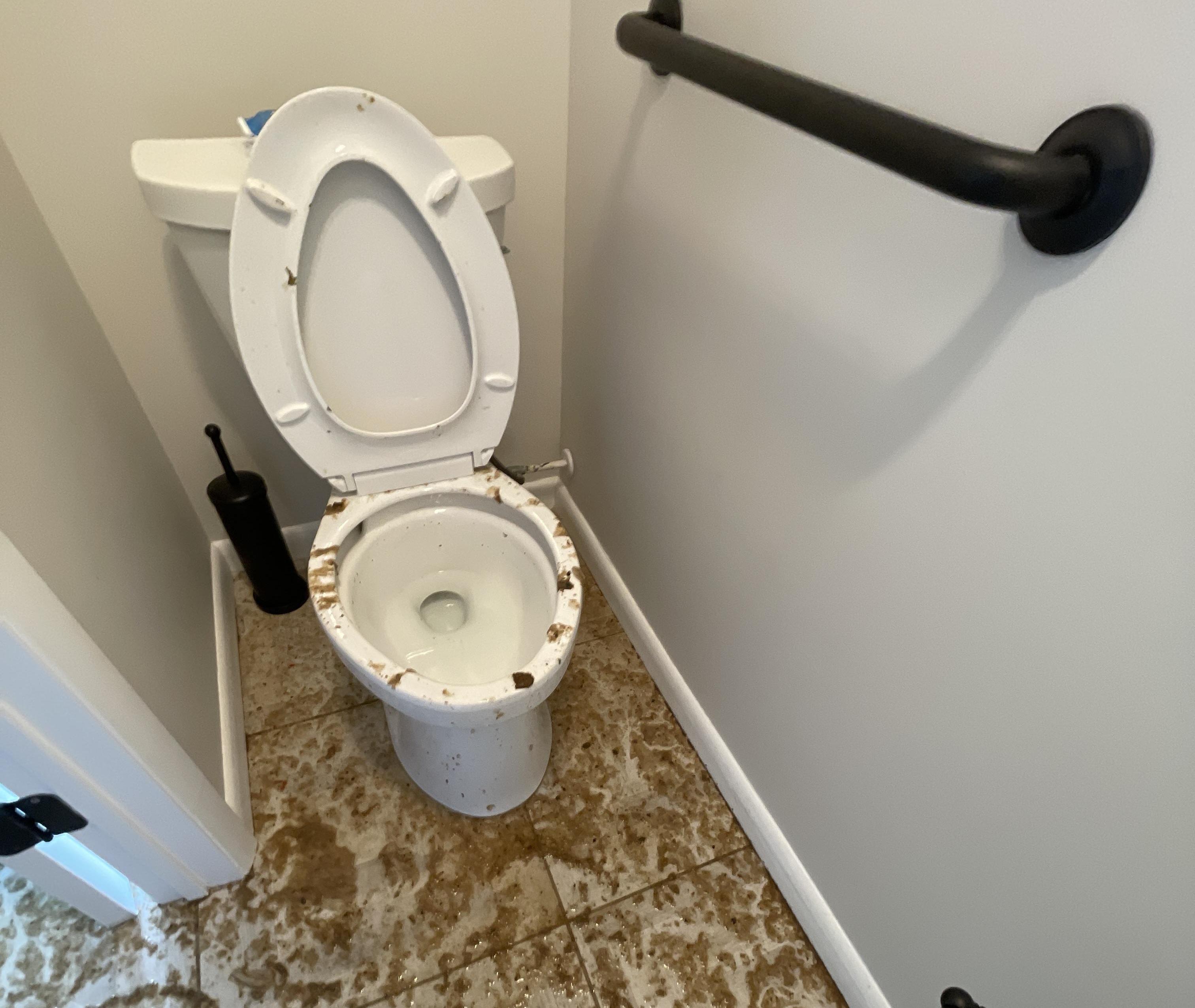
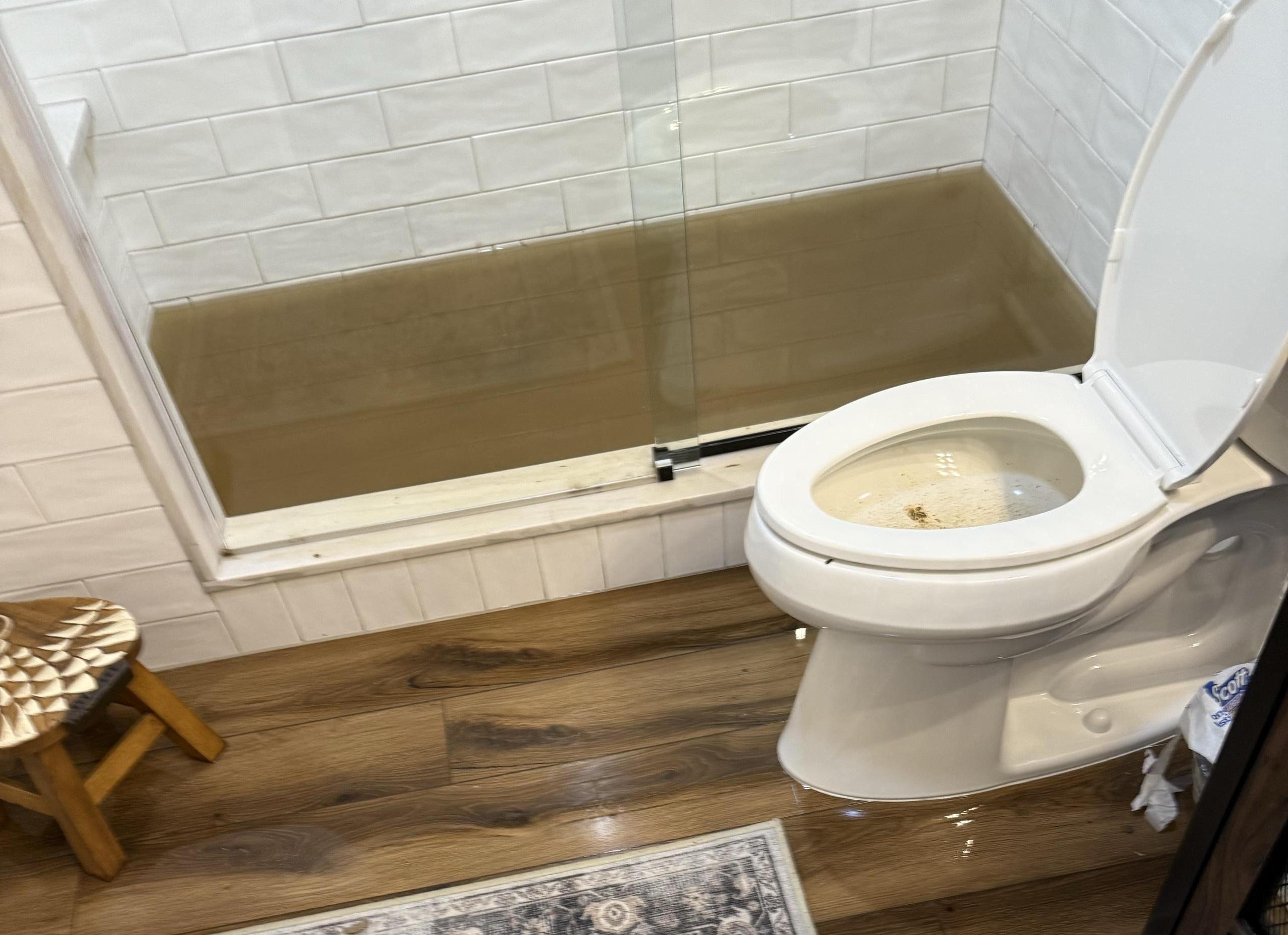
A toilet overflow can cause serious water damage and health risks if not cleaned up immediately. Contaminated water from an overflowing toilet can spread bacteria, soak into floors and walls, and lead to mold or structural damage. Common causes include drain clogs, sewer line blockages, and flushing non-flushable items.
If your toilet bowl overflows, turn off the water supply and avoid using nearby fixtures until professionals arrive. Expert toilet overflow cleanup includes removing standing water, disinfecting all surfaces, drying the area, and replacing damaged materials.
Homeowners and renters should also check insurance coverage—some policies may help cover cleanup or property damage. Quick, professional toilet overflow cleaning keeps your home safe, sanitary, and odor-free.
Frequently Asked Questions about Sewage Damage Cleanup
Sewage damage should always be cleaned up immediately to avoid serious health risks and costly repairs. If it is not handled right away, sewage can spread dangerous bacteria, cause structural damage, and make your home unsafe to live in. Below are some of the most common questions our customers ask our sewage cleanup experts about protecting their homes and families after a backup.
Professional sewage damage cleanup requires specialized equipment to safely remove contaminated water, disinfect the area, and restore your property. The key tools include:
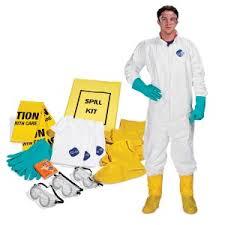
- Protective gear – Gloves, masks, boots, and Tyvek suits to keep technicians safe from bacteria, viruses, and toxic gases.
- Heavy-duty pumps & wet vacuums – To extract standing sewage water quickly and prevent it from spreading.
- Air scrubbers & HEPA filters – To capture airborne contaminants and improve indoor air quality during cleanup.
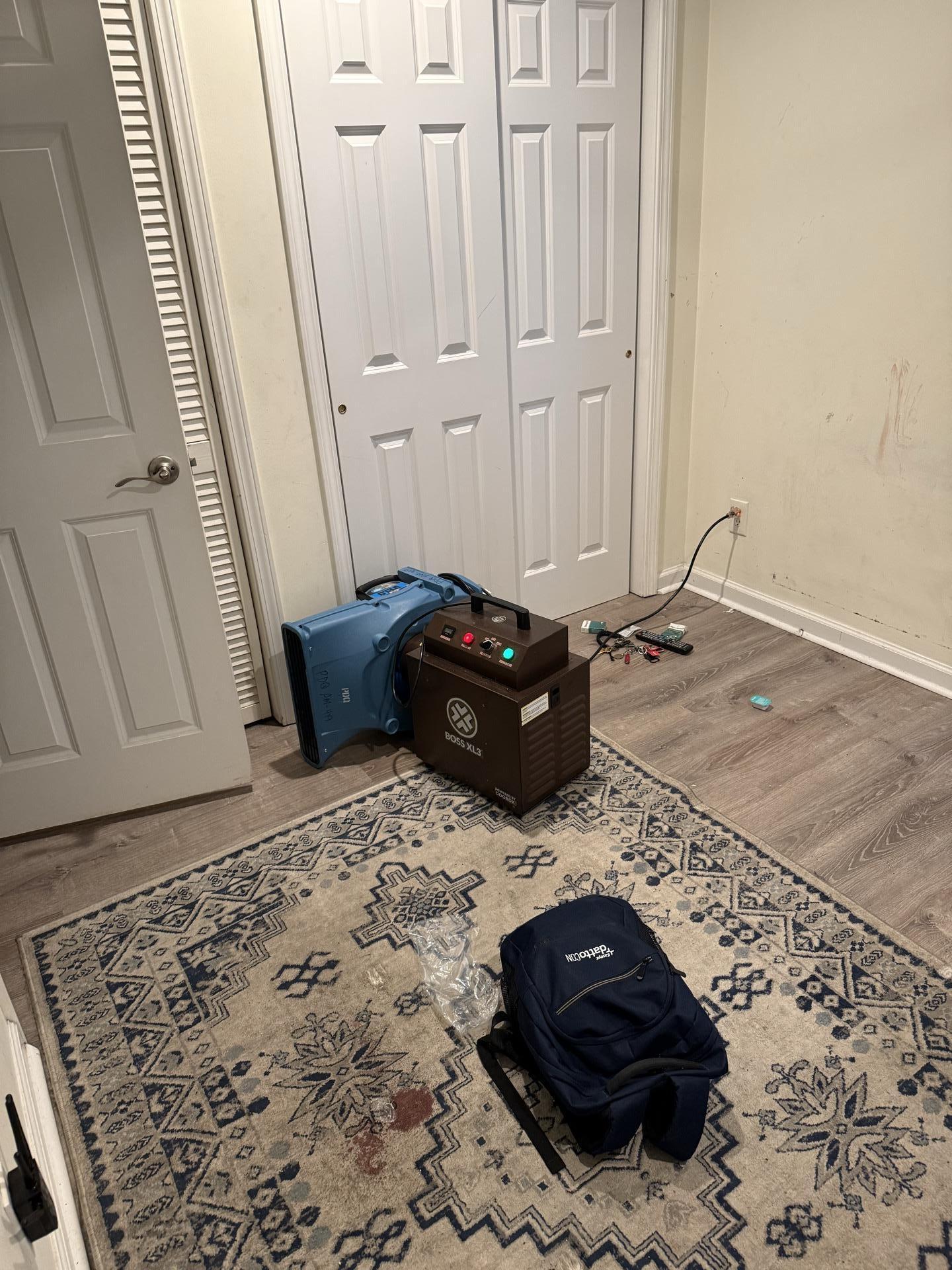
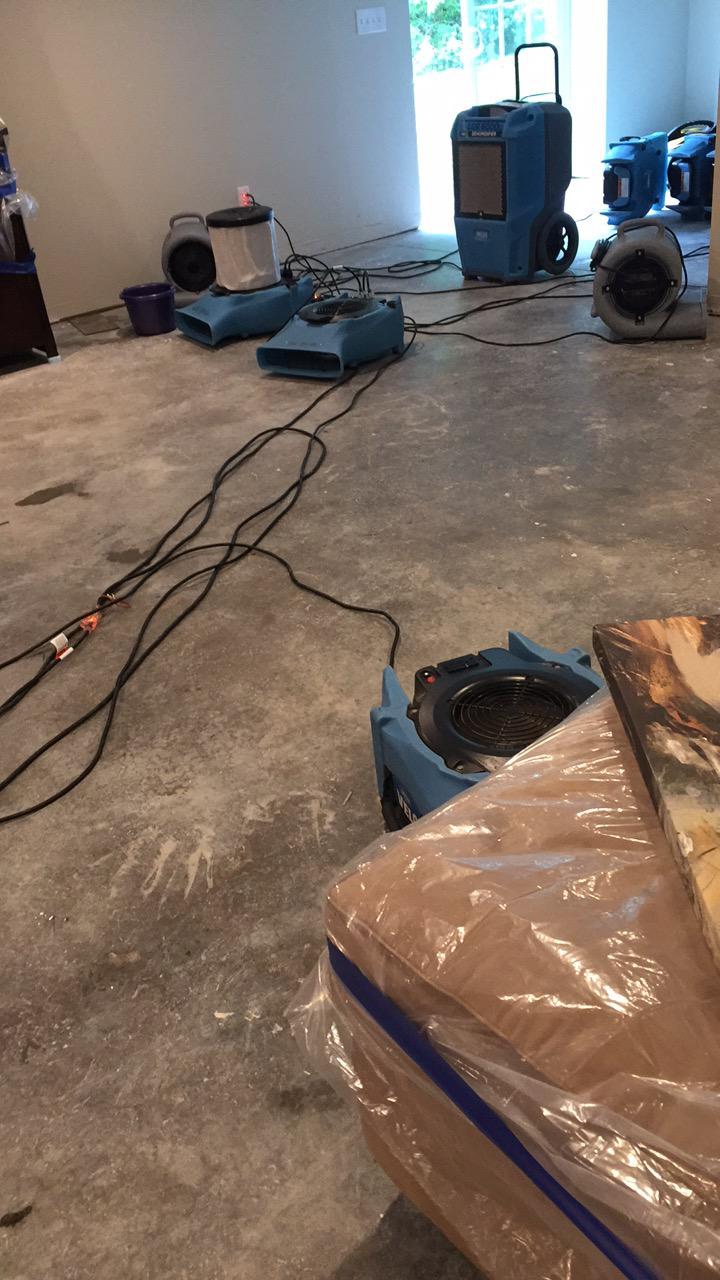
- Industrial dehumidifiers & air movers – To dry walls, floors, and structural materials, preventing mold growth.
- Disinfectants & antimicrobial treatments – To sanitize surfaces and kill harmful pathogens.
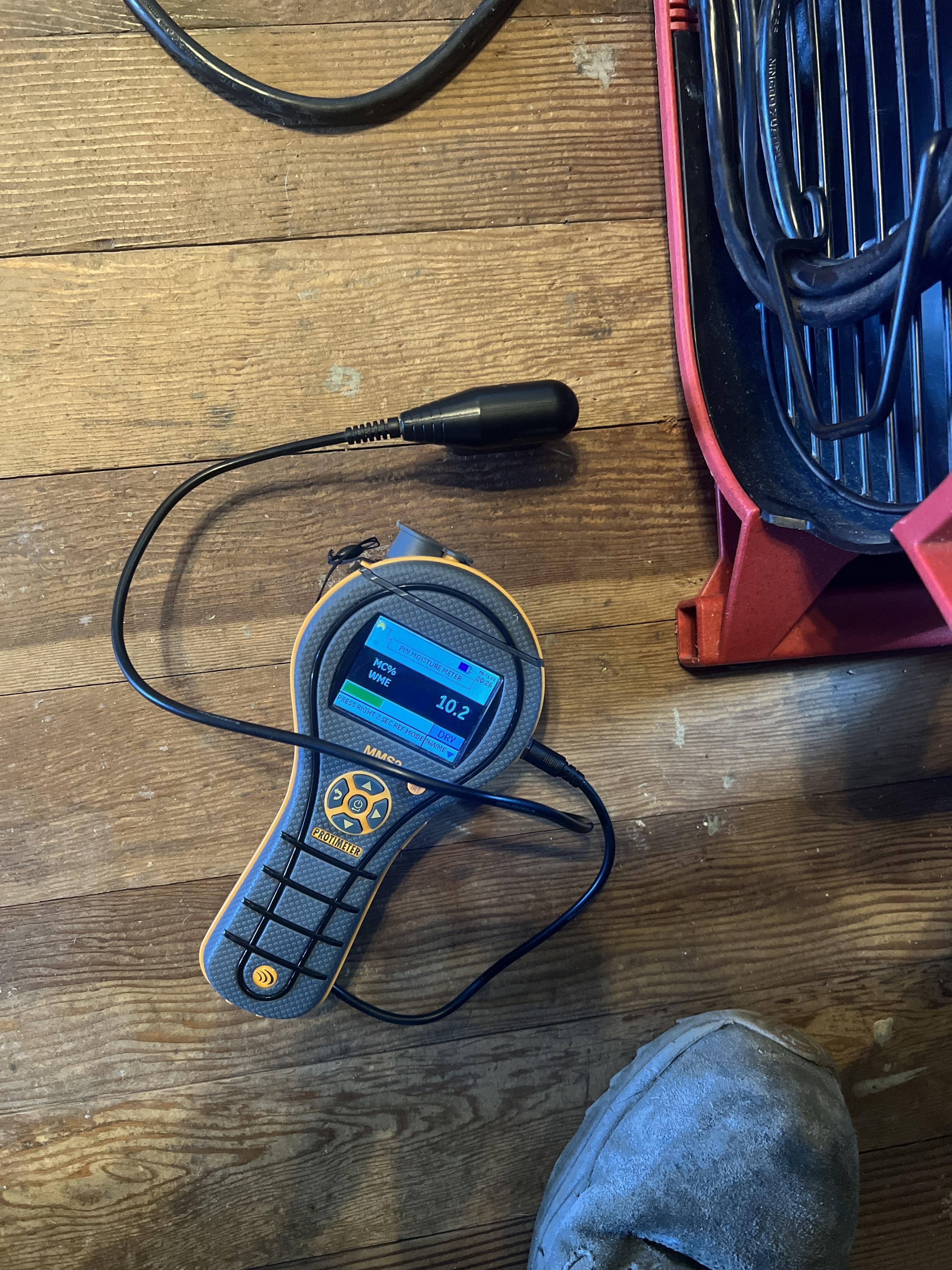
- Moisture meters & infrared cameras – To detect hidden moisture behind walls and under flooring.
Helpful tip: Many homeowners try DIY cleanup with shop vacs or household cleaners, but this is risky. Without professional-grade equipment, harmful bacteria may remain, and hidden moisture can lead to mold or long-term structural damage. That’s why hiring certified sewage cleanup experts is the safest and most effective way to restore your home.
Preventing sewage damage starts with proper maintenance of your plumbing and sewer systems. While not every emergency can be avoided, these steps greatly reduce your risk:
- Inspect and maintain sewer lines – Schedule professional inspections every few years to check for cracks, clogs, or root intrusion.
- Install a backwater valve – This device prevents sewage from flowing back into your home during heavy rains or municipal sewer overload.
- Avoid drain clogs – Never flush wipes, grease, or hygiene products, as they can block pipes and trigger backups.
- Maintain septic systems – If you have a septic tank, pump it every 3–5 years to prevent overflow and contamination.
- Protect your basement – Seal foundation cracks and consider a sump pump with a battery backup to manage water and sewage intrusion.
- Check tree placement – Plant trees away from sewer lines to prevent root damage to pipes.
Helpful tip: Many homeowners don’t realize that adding sewer backup coverage to their policy can protect against costly emergencies. While standard insurance may not cover all sewage events, an endorsement can make cleanup and restoration much more affordable.
If not handled quickly, sewage damage can have serious long-term effects on both your property and your health. Some of the most common issues include:
- Structural deterioration – Sewage water seeps into wood, drywall, and foundations, leading to rot, warping, and weakening of the structure over time.
- Persistent mold growth – High moisture and organic material from sewage create ideal conditions for mold, which can spread behind walls and ceilings.
- Odor problems – Even after surface cleaning, foul smells can linger in carpets, insulation, and ductwork if not properly treated.
- Electrical hazards – Prolonged exposure to sewage water can corrode wiring and electrical systems, increasing the risk of fire or system failure.
- Health risks – Long-term exposure to sewage-contaminated environments can cause respiratory issues, skin infections, gastrointestinal illness, and aggravate allergies.
- Reduced property value – Homes with a history of untreated sewage damage often suffer decreased resale value, especially if buyers are concerned about hidden contamination.
Helpful tip: Some effects, like mold or hidden structural damage, may not appear until weeks or months later. Having certified sewage cleanup experts handle decontamination and restoration immediately is the best way to prevent costly long-term consequences.
Let Us Handle Your Sewage Damage Cleanup in New Jersey
PDQ Restoration’s 24/7 emergency response team is ready to act the moment a sewage backup or overflow threatens your home. Our certified sewage cleanup experts arrive quickly to assess the damage, remove contaminated water, sanitize affected areas, and begin full sewage damage cleanup and restoration with precision and care.
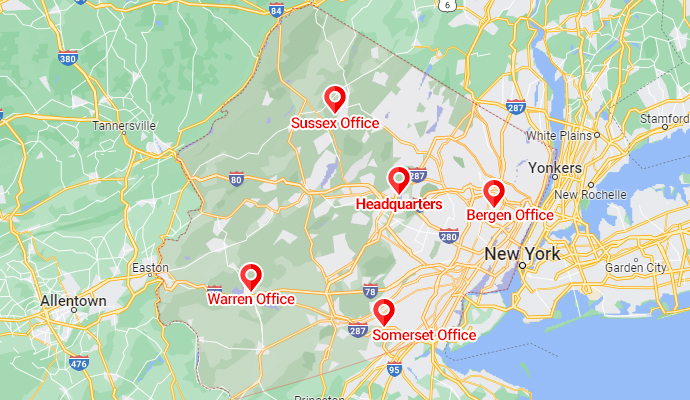
If you’re dealing with a sewer emergency in Morris County, Sussex County, Essex County, Passaic County, Bergen County, Hudson County, or anywhere else in New Jersey, contact PDQ Restoration today for fast and professional sewage cleanup services.
4.98 out of 371 reviews

Other pages you may be interested in...