Why Mold Grows Faster During Extreme Summer Heat
Summer heat and humidity create the perfect environment for mold growth inside homes and commercial buildings. While many property owners associate mold with water damage, elevated temperatures and excess moisture in the air can accelerate mold development even when there are no obvious leaks.
Mold spores are naturally present in indoor and outdoor environments. When heat, moisture, and organic materials combine, mold can begin growing within as little as 24 to 48 hours.
Without proper moisture control, property owners risk:
• Rapid mold growth on walls, ceilings, and structural materials
• Poor indoor air quality and musty odors
• Damage to drywall, wood framing, and insulation
• Increased allergy and respiratory symptoms
• Costly remediation and restoration expenses
Understanding why mold thrives during extreme summer heat can help property owners prevent serious contamination issues before they occur.
How Summer Heat Accelerates Mold Growth
Warm temperatures alone do not cause mold, but they create conditions that allow mold to grow more quickly when moisture is present.
During the summer months:
- Humidity levels often rise above recommended indoor levels
- Air conditioning systems generate condensation
- Poorly ventilated spaces trap warm, moist air
- Temperature fluctuations create condensation on cooler surfaces
- Basements, utility rooms, and crawl spaces retain moisture
When relative humidity exceeds 60%, mold growth becomes much more likely.
Even hidden moisture from condensation can provide enough water for mold colonies to develop.
Common Areas Where Summer Mold Develops
Certain areas of a property are especially vulnerable during periods of extreme heat and humidity.
Utility and Electrical Rooms
These enclosed spaces often experience temperature fluctuations and limited airflow, creating ideal conditions for condensation and mold growth.
Basements
Ground moisture combined with summer humidity frequently leads to elevated moisture levels in below-grade spaces.
Crawl Spaces
Poor ventilation and damp soil conditions make crawl spaces a common source of mold contamination.
Attics
Improper ventilation can trap heat and moisture, leading to condensation on roof decking and framing materials.
HVAC Systems
Air handlers, ductwork, and condensate lines can accumulate moisture that supports mold growth.
Routine inspections of these areas can help identify moisture issues before mold becomes widespread.
Real-World Example: Mold Damage Caused by Moisture and Condensation
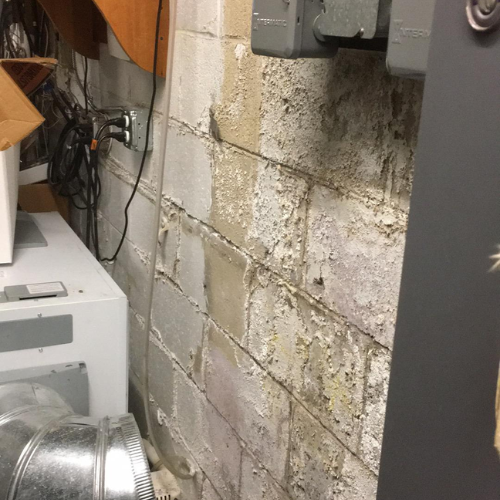
Kevin B. contacted PDQ Fire & Water Damage Restoration after visible mold growth and moisture staining were discovered in the electrical room of his property in Allamuchy, NJ.
The mold damage developed due to long-term moisture intrusion, condensation buildup, and poor ventilation. Temperature fluctuations inside the room created an environment where mold was able to thrive on concrete block walls, around electrical panels, and near utility penetrations.
PDQ technicians performed detailed moisture inspections and discovered elevated moisture levels throughout the affected area. To safely complete the remediation process, containment barriers and HEPA air filtration systems were installed to protect sensitive electrical equipment.
The remediation process included:
- HEPA vacuuming of affected surfaces
- Antimicrobial treatment applications
- Controlled mold removal procedures
- Commercial dehumidification
- Air scrubbing and humidity control
- Detailed moisture monitoring
By addressing both the mold contamination and the underlying moisture conditions, the electrical room was restored to a safer and healthier environment.
This project highlights how summer heat, humidity, and condensation can contribute to mold growth even when there is no major plumbing leak or flood event.
Warning Signs of Summer Mold Problems
Many mold issues begin in hidden areas before becoming visible.
Property owners should watch for:
- Musty or earthy odors
- Visible discoloration on walls or ceilings
- Condensation on pipes or concrete surfaces
- Increased indoor humidity
- Water stains without an obvious leak source
- Allergy symptoms that worsen indoors
Early detection can significantly reduce remediation costs and prevent structural damage.
Professional Equipment Used to Detect and Control Mold
Successful mold remediation relies on specialized equipment designed to identify and eliminate moisture problems.
Common tools include:
Moisture Meters
Used to measure moisture levels within building materials and identify hidden dampness.
HEPA Air Filtration Systems
Capture airborne mold spores during remediation activities.
Commercial Dehumidifiers
Reduce indoor humidity and accelerate drying.
Air Scrubbers
Improve indoor air quality by removing airborne contaminants.
Thermal Imaging Cameras
Help locate concealed moisture behind walls, ceilings, and other structural components.
These technologies allow technicians to address both visible mold and the conditions that support future growth.
Preventing Mold During Extreme Summer Heat
Property owners can reduce mold risks by following several preventive measures:
- Maintain indoor humidity between 30% and 50%
- Use dehumidifiers in damp areas
- Improve ventilation in utility rooms and basements
- Inspect HVAC systems regularly
- Address leaks and moisture intrusion promptly
- Monitor areas prone to condensation
Preventive maintenance can significantly reduce the likelihood of mold growth during the hottest months of the year.
Why Moisture Control Matters
Mold remediation is only successful when the underlying moisture problem is corrected.
Professional remediation focuses on:
- Identifying moisture sources
- Removing existing mold contamination
- Drying affected materials
- Improving ventilation
- Stabilizing humidity levels
Without proper moisture control, mold can quickly return even after cleaning.
Call the Experts for Mold Inspection and Remediation
If you've noticed musty odors, visible mold, or signs of excess moisture during the summer months, professional inspection can help prevent a larger problem.
PDQ Restoration's licensed, IICRC-certified team provides comprehensive mold inspections, moisture detection, remediation services, and humidity control solutions. We identify the source of the problem, safely remove mold contamination, and help protect your property from future growth.
Contact PDQ Restoration today for professional mold remediation services you can trust.