Why Immediate Response Matters in Biohazard Situations
When an unexpected disaster strikes—be it a violent assault, an industrial accident, or a tragic self-inflicted death—every minute counts. A delayed biohazard cleanup can allow bacteria, viruses, and toxic chemicals to spread, endangering everyone who enters the area. Certified professionals understand this urgency and arrive quickly for trauma cleanup, crime scene cleanup, or discreet suicide cleanup, bringing the training and tools required to neutralize hazards before they become unmanageable.
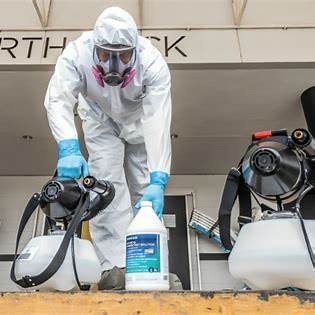
The Dangers of Delayed Biohazard Cleanup
Blood, bodily fluids, and sewage create a breeding ground for hepatitis, HIV, MRSA, and other pathogens. Without immediate containment, these contaminants permeate drywall, carpet, and HVAC systems, driving up costs and health risks. A stalled response can turn a single-room blood cleanup into a whole-building remediation project. The OSHA Bloodborne Pathogens Standard makes clear that any person exposed to untreated biohazards is at significant risk.
-
Crime scene cleanup: Blood and forensic chemicals left for hours can release aerosols that spread throughout a structure.
-
Suicide cleanup: Decomposition gases such as putrescine and cadaverine can trigger serious respiratory irritation if not rapidly ventilated.
-
Trauma cleanup after industrial accidents must remove microbial threats before workers return, otherwise production downtime mounts quickly.
Six Reasons Fast Action Is Critical
-
Protects Human Health
Immediate biohazard cleanup limits contact with bloodborne pathogens. EPA-registered disinfectants and full PPE stop infections at the source, as outlined in the CDC’s infection-control guidelines. -
Prevents Structural Damage
Fluids seep deep into porous materials within hours. Emergency blood cleanup reduces the likelihood of tearing out subfloors or wall studs later. -
Eliminates Odors and Airborne Toxins
Hydroxyl generators and HEPA filtration deployed during suicide cleanup or sewage spills strip foul odors and airborne microbes before they spread. -
Ensures Regulatory Compliance
Certified crews follow strict EPA and state rules for medical-waste transport, avoiding hefty fines for improper disposal. See the EPA Medical Waste Guidelines. -
Supports Law-Enforcement Protocols
After investigators release a scene, approved crime scene cleanup specialists remove forensic residue and biohazards so that evidence is preserved and the property is safe. -
Stops Mold and Bacterial Growth
Rapid water extraction and sanitization prevent long-term mold issues that often accompany sewage backups or flood-related trauma cleanup jobs.
Why Professional Help Beats DIY Every Time
Attempting a do-it-yourself response to biohazard cleanup can lead to partial sanitation, hidden contamination, and legal liability. Certified companies train to the IICRC S540 Trauma & Crime Scene Cleanup Standard, using:
-
Hospital-grade disinfectants tested to kill bloodborne viruses.
-
Advanced air-scrubbing equipment that captures microscopic droplets released during blood cleanup.
-
Sealed, documented waste containers that satisfy chain-of-custody requirements for crime scene cleanup and suicide cleanup alike.
Professionals also provide written reports for insurance carriers and local authorities, proving the site now meets health codes.