Why Hidden Moisture Can Remain After Your Home Looks Dry
After a water damage event, many homeowners assume the problem is resolved once standing water is removed and surfaces appear dry. However, water has a way of traveling into hidden areas where it cannot be seen with the naked eye. Moisture trapped behind walls, beneath flooring, inside insulation, or within structural material can remain long after visible signs of water have disappeared.
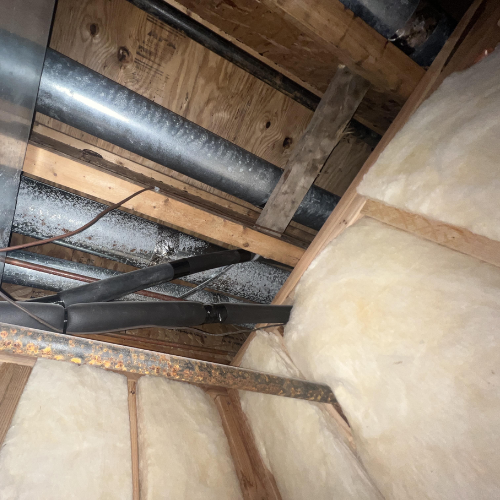
If hidden moisture is not properly detected and removed, it can lead to mold growth, structural deterioration, unpleasant odors, and costly repairs.
Without professional moisture detection and drying, property owners risk:
- Hidden mold growth behind walls and under flooring
- Warped wood, damaged drywall, and weakened structural materials
- Persistent musty odors and poor indoor air quality
- Secondary water damage that continues to spread
- Increased restoration and reconstruction costs
- Insurance claim complications due to incomplete mitigation
Understanding why hidden moisture remains—and how professionals detect it—is essential for protecting your home after a water damage event.
Why Water Doesn't Stay Where It Starts
Water naturally follows the path of least resistance. Once it enters a home through a burst pipe, appliance leak, roof leak, or flooding event, it can quickly migrate into surrounding building materials.
Water commonly travels through:
- Drywall and insulation
- Carpet and carpet padding
- Hardwood and laminate flooring
- Subflooring
- Baseboards and trim
- Wall cavities
Even if the surface appears dry, moisture may still be trapped deep within these materials.
Common Areas Where Hidden Moisture Remains
Water damage often extends well beyond what homeowners can see.
Behind Drywall
Drywall absorbs water quickly, allowing moisture to spread into wall cavities and insulation.
Beneath Flooring
Carpet, hardwood, vinyl, and laminate flooring can trap moisture underneath the finished surface.
Inside Wall Cavities
Moisture can remain around plumbing lines, electrical wiring, and framing members.
Under Cabinets and Built-In Fixtures
Water often collects beneath cabinetry where airflow is limited.
Around HVAC Systems
Condensation and hidden leaks may contribute to elevated moisture levels inside mechanical spaces.
Professional inspections help locate these hidden moisture pockets before they cause additional damage.
Why Hidden Moisture Leads to Mold Growth
Moisture that remains inside building materials creates the ideal environment for mold.
Mold spores are naturally present indoors and only require:
- Moisture
- Organic materials
- Moderate temperatures
- Limited airflow
Under the right conditions, mold can begin growing within 24 to 48 hours after water intrusion.
Because mold frequently develops in concealed spaces, homeowners may not realize there is a problem until odors, discoloration, or health concerns become noticeable.
Real-World Example: Finding Moisture Beyond What Was Visible
During a recent water damage restoration project, PDQ Fire & Water Damage Restoration responded to a home where water had spread from a leaking bathroom supply line into an adjacent hallway.
Although much of the standing water had already been discovered, technicians performed a comprehensive moisture inspection using thermal imaging cameras and moisture meters. The inspection revealed elevated moisture levels beneath the carpet, inside wall cavities, and along the baseboards—areas that appeared dry during a visual inspection.
To ensure complete restoration, technicians:
- Performed water extraction
- Removed saturated carpet padding
- Opened affected wall sections to access trapped moisture
- Installed commercial air movers and dehumidifiers
- Monitored moisture levels daily
- Applied antimicrobial treatments to affected materials
By locating and drying hidden moisture, the team prevented mold growth, protected structural materials, and prepared the home for reconstruction.
This project demonstrates why visible dryness does not always mean a property is fully dry.
How Professionals Detect Hidden Moisture
Professional restoration companies use specialized equipment that identifies moisture invisible to the naked eye.
Thermal Imaging Cameras
Infrared cameras detect temperature differences that may indicate hidden moisture behind walls, ceilings, or floors.
Moisture Meters
Moisture meters measure water content inside building materials to determine whether drying is complete.
Hygrometers
These instruments monitor indoor humidity levels throughout the drying process.
Moisture Mapping
Technicians document affected areas and monitor drying progress using detailed moisture readings.
Together, these tools help ensure no moisture is left behind.
Why Professional Drying Is Essential
Household fans may dry surface moisture, but they cannot remove moisture trapped inside structural materials.
Professional drying involves:
- Commercial water extraction
- High-powered air movers
- Industrial dehumidifiers
- Continuous moisture monitoring
- Daily equipment adjustments based on drying progress
This systematic approach helps restore building materials safely while minimizing the risk of secondary damage.
The Long-Term Risks of Incomplete Drying
Leaving hidden moisture untreated can result in:
- Mold remediation costs
- Structural wood rot
- Damaged insulation
- Flooring replacement
- Drywall reconstruction
- Reduced indoor air quality
What may seem like a small amount of moisture today can become a much larger restoration project if left unresolved.
Insurance Documentation and Moisture Verification
Professional moisture detection also supports insurance claims by providing objective documentation.
Restoration teams record:
- Moisture readings
- Thermal imaging results
- Equipment logs
- Daily drying reports
- Photographic documentation
These records help demonstrate that mitigation was completed properly and that all affected materials were restored according to industry standards.
Call the Experts for Complete Water Damage Restoration
If your home has experienced water damage, don't rely on appearances alone. Hidden moisture can remain long after surfaces feel dry, increasing the risk of mold growth and structural damage.
PDQ Restoration's licensed, IICRC-certified team uses advanced moisture detection equipment, thermal imaging technology, commercial dehumidifiers, and proven structural drying methods to locate and eliminate hidden moisture before it becomes a larger problem.
Contact PDQ Restoration today for professional water damage restoration and moisture detection services you can trust.