Why Every Water Damage Project Needs Moisture Mapping
Water damage is often more extensive than what is visible on the surface. While standing water and wet materials may be easy to identify, moisture can travel behind walls, beneath flooring, inside insulation, and through structural components without leaving obvious signs.
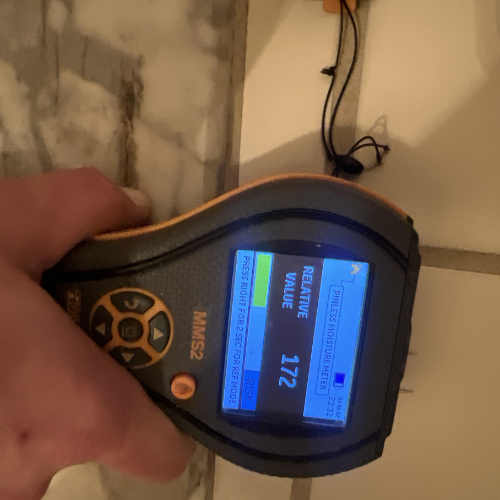
This is why professional restoration companies rely on moisture mapping during every water damage project. Moisture mapping uses specialized equipment to identify hidden moisture, determine the full extent of the damage, and monitor the drying process from start to finish.
Without moisture mapping, property owners risk:
- Hidden water remaining inside structural materials
- Mold growth caused by trapped moisture
- Incomplete drying and recurring water damage
- Unnecessary demolition or reconstruction
- Increased restoration costs
- Insurance claim disputes due to insufficient documentation
Moisture mapping provides the information restoration professionals need to ensure every affected area is properly dried before repairs begin.
What Is Moisture Mapping?
Moisture mapping is the process of locating, measuring, and documenting moisture throughout a property after a water damage event.
Instead of relying on visual inspections alone, technicians use advanced equipment to determine:
- Where water has traveled
- Which materials have been affected
- The severity of the moisture damage
- How the drying process is progressing
- When materials have returned to acceptable moisture levels
This information allows restoration teams to develop an effective drying plan while minimizing unnecessary demolition.
Why Visual Inspections Aren't Enough
Water rarely stays where it first enters a home.
It can migrate through:
- Wall cavities
- Subflooring
- Insulation
- Ceiling assemblies
- Baseboards
- Structural framing
Many of these areas appear completely dry from the outside.
Without moisture mapping, hidden moisture may remain undetected, increasing the risk of mold growth and long-term structural damage.
Professional testing ensures that no affected areas are overlooked.
Real-World Example: Using Moisture Mapping to Guide Restoration
During a recent water damage restoration project in Mendham, NJ, PDQ Fire & Water Damage Restoration responded after a faulty bathroom supply line caused water to spread from a bathroom into an adjoining hallway.
Although the visible damage appeared limited to wet carpet and flooring, technicians performed a comprehensive moisture inspection using thermal imaging cameras and moisture meters. The inspection revealed elevated moisture levels beneath the carpet, along the baseboards, and inside adjacent wall cavities.
Using this information, technicians developed a targeted drying plan that included:
- Immediate water extraction
- Removal of saturated carpet padding
- Minor demolition to access trapped moisture
- Strategic placement of commercial air movers
- Commercial dehumidification
- Daily moisture monitoring and documentation
Because moisture mapping identified the full extent of the water intrusion, technicians were able to dry all affected materials efficiently and reduce the risk of mold growth before reconstruction began.
This project demonstrates why professional moisture mapping is an essential part of every successful water damage restoration project.
Equipment Used During Moisture Mapping
Professional restoration companies use several specialized tools to locate hidden moisture accurately.
Moisture Meters
Moisture meters measure the amount of water contained within drywall, wood, concrete, flooring, and other building materials.
Thermal Imaging Cameras
Infrared cameras detect temperature differences that often indicate hidden moisture behind walls, ceilings, and floors.
Hygrometers
These instruments measure indoor humidity and environmental conditions throughout the drying process.
Moisture Mapping Software and Documentation
Technicians record moisture readings and create detailed drying maps that document affected areas and monitor restoration progress.
Together, these tools provide accurate data that guides every stage of the restoration process.
How Moisture Mapping Prevents Mold Growth
One of the primary goals of moisture mapping is preventing mold before it develops.
By locating hidden moisture early, restoration professionals can:
- Remove trapped water before mold begins to grow
- Focus drying equipment where it is needed most
- Reduce humidity levels throughout the property
- Verify that structural materials have dried completely
Proper moisture mapping helps eliminate the conditions that allow mold to thrive.
Supporting Insurance Claims
Moisture mapping also provides valuable documentation for insurance carriers.
Technicians record:
- Initial moisture readings
- Daily drying progress
- Equipment placement
- Final moisture verification
- Photographic documentation
This information demonstrates the extent of the damage, supports mitigation efforts, and helps satisfy insurance documentation requirements.
Accurate records also provide homeowners with confidence that their property has been properly restored.
Why Daily Moisture Monitoring Matters
Drying is not a one-time process.
Throughout the restoration project, technicians perform daily moisture readings to:
- Monitor drying progress
- Adjust equipment placement
- Identify stubborn moisture pockets
- Confirm drying goals are being achieved
- Verify when restoration is complete
This ongoing monitoring ensures every affected material reaches acceptable moisture levels before reconstruction begins.
The Benefits of Professional Moisture Mapping
Professional moisture mapping provides several important advantages:
- Faster and more efficient drying
- Reduced risk of mold growth
- Less unnecessary demolition
- Better protection of structural materials
- Improved insurance documentation
- Greater confidence that hidden moisture has been eliminated
Rather than guessing where water has spread, restoration professionals use measurable data to guide every decision.
Call the Experts for Professional Moisture Mapping
Water damage often extends far beyond what you can see. Professional moisture mapping ensures hidden moisture is identified, documented, and completely removed before it causes additional damage.
PDQ Restoration's licensed, IICRC-certified team uses advanced thermal imaging cameras, moisture meters, commercial drying equipment, and proven restoration techniques to locate hidden moisture and restore your property according to industry standards.
Contact PDQ Restoration today for professional water damage restoration and moisture mapping services you can trust.