What to Do When Floodwater Enters Your Home
Flooding can happen quickly during severe storms, overwhelming drainage systems and allowing water to enter basements, crawl spaces, garages, and living areas.
Once floodwater enters a property, immediate action is important. Water can saturate porous materials, spread contaminants, and create conditions that support mold growth.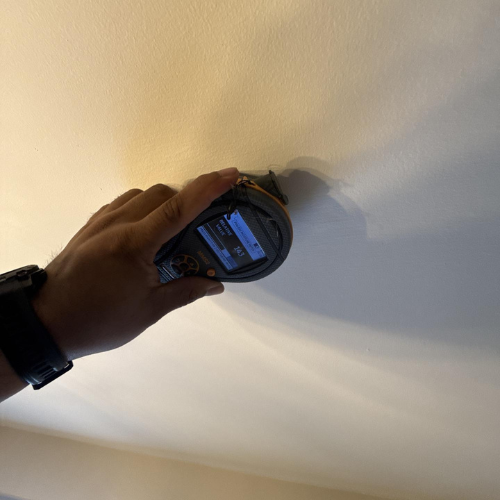
Homeowners should never assume that removing standing water is enough. A professional assessment may be necessary to determine what materials can be dried, what must be removed, and whether additional contamination is present.
Common Problems Caused by Floodwater
Floodwater can affect:
- Carpet and padding
- Drywall
- Insulation
- Wood flooring
- Subflooring
- Baseboards
- Personal belongings
- Electrical and mechanical systems
The longer these materials remain wet, the greater the potential for permanent damage.
Safety Comes First
Before entering a flooded area, homeowners should consider potential electrical, structural, and contamination hazards.
Avoid entering standing water if electrical equipment may be affected.
Floodwater can also contain dirt, sewage, chemicals, and other contaminants. Professional assessment is especially important when water comes from outside the property or involves sewage.
Professional Water Extraction
Once the area has been determined to be safe, restoration technicians can begin removing water.
Professional extraction equipment is designed to remove large amounts of water efficiently from affected areas.
Extraction may be followed by:
- Carpet and padding removal
- Moisture detection
- Structural drying
- Air movement
- Dehumidification
- Cleaning and sanitization
Why Drying Is More Important Than It Looks
Removing visible water is only the first step.
Moisture may remain inside:
- Walls
- Flooring
- Insulation
- Wood framing
- Cabinets
- Other structural materials
Technicians use moisture meters and thermal imaging to identify areas that require additional drying.
Preventing Mold After Flooding
Mold can develop when wet materials remain untreated.
Professional drying helps reduce the moisture conditions that allow mold to grow.
Depending on the circumstances, antimicrobial treatments may also be used on appropriate affected surfaces as part of the restoration process.
Documentation for Insurance Claims
Storm and flood damage may require detailed documentation for insurance purposes.
Restoration documentation may include:
- Photos
- Moisture readings
- Equipment logs
- Drying records
- Scope of mitigation work
Proper documentation provides a record of the restoration process and can help support an insurance claim.
Call the Experts After Flood Damage
If floodwater enters your home, acting quickly can help limit the damage.
PDQ Restoration provides water extraction, moisture detection, structural drying, dehumidification, cleaning, and restoration services for storm-related water damage.
Contact PDQ Restoration for professional flood damage restoration and help getting your property safely back to normal.