What Happens If Water Damage Is Left Untreated?
Water damage can occur suddenly from burst pipes, appliance failures, roof leaks, storms, or plumbing issues. While some property owners may assume the damage is minor if standing water is removed or surfaces appear dry, untreated water damage can lead to serious structural, environmental, and financial consequences.
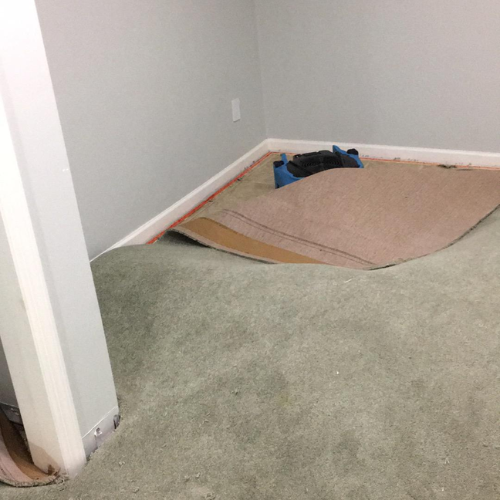
Water often travels beyond what is visible, soaking into flooring materials, drywall, insulation, and structural components. Without proper drying and mitigation, moisture can remain trapped for weeks or even months.
When water damage is left untreated, property owners risk:
• Mold growth and contamination
• Structural deterioration of building materials
• Persistent odors and indoor air quality issues
• Damage to flooring, drywall, and insulation
• Increased restoration and reconstruction costs
• Potential insurance claim complications
Understanding how water damage progresses can help property owners take action before a small problem becomes a major restoration project.
The First 24 Hours After Water Damage
The first day following a water intrusion event is critical.
During this period:
- Water spreads rapidly through porous materials
- Carpet and padding begin absorbing moisture
- Drywall starts wicking water upward
- Wood materials begin swelling
- Humidity levels increase throughout the affected area
Although surfaces may appear only slightly wet, moisture is often already penetrating deeper into structural materials.
Immediate water extraction and drying can significantly reduce the extent of damage.
What Happens After 48 Hours?
As moisture remains trapped within building materials, the risks increase.
Within two days:
- Drywall begins to soften and weaken
- Carpet padding becomes increasingly saturated
- Insulation absorbs moisture
- Wood framing starts expanding
- Indoor humidity continues to rise
At this stage, hidden moisture becomes more difficult to remove without professional equipment.
Moisture trapped behind walls, under flooring, and inside structural cavities can create long-term problems if not properly addressed.
The Risk of Mold Growth
One of the most significant concerns associated with untreated water damage is mold development.
Mold can begin growing within 24 to 48 hours when moisture is present.
Conditions that promote mold growth include:
- Elevated humidity
- Wet building materials
- Limited airflow
- Hidden moisture behind walls
- Damp carpet and padding
Once mold develops, remediation becomes necessary in addition to water damage restoration.
Preventing mold is one of the primary reasons why professional drying is so important after a water loss.
Real-World Example: Water Damage from a Burst Pipe
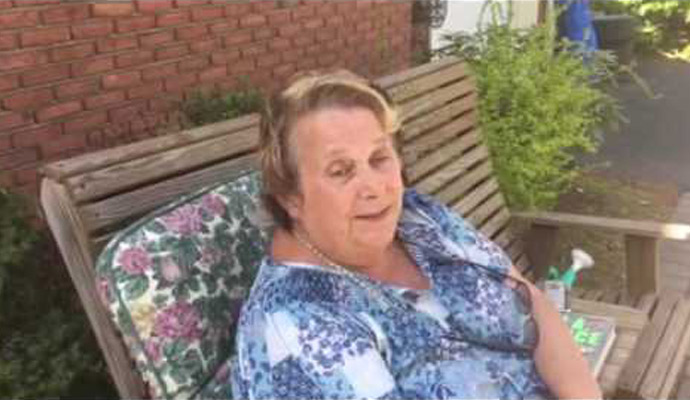
Kevin M. contacted PDQ Fire & Water Damage Restoration after discovering extensive water damage in the finished basement of his Morris Plains, NJ home.
A burst pipe behind the wall had allowed water to saturate the carpet, padding, drywall, and surrounding structural materials. Upon arrival, PDQ technicians performed a comprehensive moisture inspection using advanced detection equipment and discovered elevated moisture levels beneath the flooring and along perimeter walls.
To prevent the damage from worsening, technicians immediately:
- Performed water extraction
- Lifted sections of carpet
- Removed saturated padding
- Exposed affected subflooring
- Installed commercial air movers
- Set up professional dehumidifiers
- Applied antimicrobial treatments
Daily moisture monitoring ensured all trapped water was removed before mold growth and odor issues could develop.
This project demonstrates how quickly water can spread throughout a property and why immediate mitigation is critical for preventing long-term damage.
Long-Term Structural Damage
When water damage is ignored, structural materials may begin to deteriorate.
Common issues include:
Damaged Drywall
Water weakens drywall, causing swelling, staining, sagging, and eventual breakdown.
Flooring Failure
Carpet, hardwood, laminate, and subfloor materials can warp, buckle, and deteriorate.
Wood Rot
Prolonged exposure to moisture can cause structural framing components to weaken.
Insulation Damage
Wet insulation loses effectiveness and may require replacement.
Addressing moisture early helps preserve building materials and reduce reconstruction costs.
Why Professional Drying Is Necessary
Many homeowners believe household fans are enough to dry water-damaged areas.
However, professional drying involves much more than moving air across surfaces.
Restoration professionals use:
Commercial Air Movers
High-velocity airflow accelerates evaporation from wet materials.
Dehumidifiers
Industrial dehumidifiers remove moisture from the air and support structural drying.
Moisture Meters
Technicians monitor moisture levels inside building materials throughout the drying process.
Thermal Imaging Cameras
Infrared technology helps locate hidden moisture behind walls and under flooring.
These tools allow technicians to verify that affected materials are fully dried before restoration is complete.
Insurance and Documentation Benefits
Prompt mitigation can also help support insurance claims.
Professional restoration companies provide:
- Moisture readings
- Drying logs
- Equipment records
- Photographic documentation
- Detailed mitigation reports
This documentation helps verify the extent of damage and supports claim processing.
Delays in reporting or mitigating water damage may complicate insurance coverage and increase out-of-pocket expenses.
The Cost of Waiting
What begins as a small water intrusion can quickly become a much larger problem.
Delaying restoration may lead to:
- Mold remediation expenses
- Structural repairs
- Flooring replacement
- Drywall reconstruction
- Extended project timelines
- Higher overall restoration costs
Fast action is often the most cost-effective solution.
Call the Experts for Water Damage Restoration
If your property experiences water damage, immediate action can make the difference between a straightforward drying project and a major restoration effort.
PDQ Restoration's licensed, IICRC-certified team provides emergency water extraction, structural drying, moisture detection, mold prevention, and complete water damage restoration services. Our advanced equipment and proven drying methods help protect your property and minimize long-term damage.
Contact PDQ Restoration today for professional water damage restoration services you can trust.