Water-Damaged Wood Flooring: Evaluation and Drying Procedures
Wood flooring adds warmth and elegance to any home or commercial property, but it’s highly susceptible to damage when exposed to water. Whether the source is a plumbing leak, a malfunctioning appliance, or storm-related flooding, water intrusion can quickly compromise the structural integrity and appearance of wood floors. Without immediate and professional intervention, moisture can lead to warping, mold growth, and irreversible damage to both the flooring and subfloor beneath.
At PDQ Restoration, we understand the urgency of hardwood floor water damage repair. Our rapid-response team is equipped with advanced tools and expertise to evaluate, dry, and restore wood flooring efficiently—preventing long-term issues and ensuring the safety of your property.
Types of Wood Flooring and Their Vulnerability to Water
Different types of wood flooring react in distinct ways when exposed to moisture:
- Solid Hardwood Flooring: Made from a single piece of wood, solid hardwood is highly absorbent. Prolonged exposure to water can cause cupping, buckling, and significant expansion or contraction.
- Engineered Wood Flooring: This flooring has a hardwood veneer over plywood layers. While slightly more stable than solid hardwood, it is still prone to delamination and warping when saturated.
- Laminate and Floating Floors: These synthetic or composite wood products are highly vulnerable to water damage. Moisture causes swelling and deterioration of the fiberboard core, often requiring full replacement.
Understanding the type of flooring in your property is crucial for determining the correct restoration method.
Common Signs of Water Damage in Wood Floors
Early detection is essential to prevent long-term deterioration. Look for these indicators of water-damaged wood flooring:
- Cupping: Edges of the planks are raised higher than the center.
- Buckling or Warping: Boards lift from the subfloor or develop unnatural curves.
- Discoloration or Black Water Stains: A sign of long-term moisture exposure or possible mold.
- Soft or Spongy Spots: Indicates water has compromised the subfloor.
- Musty Odors or Mold: Mold under wood flooring often thrives in damp, concealed areas.
Evaluation and Inspection Techniques
PDQ Restoration uses advanced methods to conduct a thorough floor water damage evaluation:
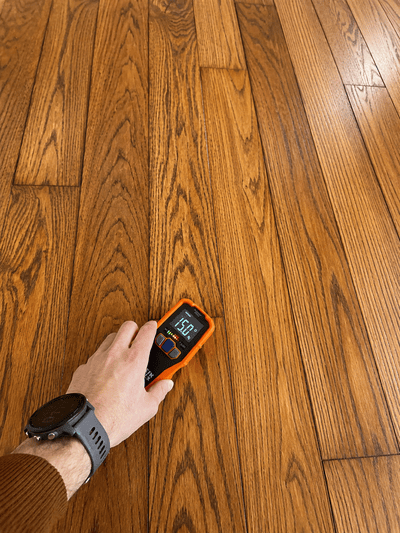
- Moisture Testing Wood Floors: We use pin and pinless moisture meters to detect hidden moisture levels within planks and subfloors.
- Infrared Imaging: Thermal cameras help locate moisture beneath the surface, even when no visible signs are present.
- Water Classification: We assess whether the source is clean water, gray water, or black water—each requiring different levels of remediation and safety measures.
Accurate assessment ensures we tailor the most effective restoration plan for your specific flooring type and damage level.
Professional Drying Procedures
PDQ Restoration specializes in fast and effective drying wet wood floors, using techniques designed to prevent further damage and mold growth:
- Water Extraction: Immediate removal of standing water with high-powered vacuums and pumps.
- Drying Mats & Air Movers: Targeted airflow systems and drying mats draw moisture from the wood grain.
- Dehumidification: Industrial-grade dehumidifiers reduce ambient moisture levels and accelerate drying.
- Floorboard Lifting: In some cases, lifting planks allows us to dry the subfloor without permanent removal.
- Mold Prevention: Antimicrobial treatments and structural drying protect against long-term microbial contamination.
These steps are crucial, especially in cupped wood floor drying, where improper methods can lead to permanent warping.
Repair vs. Replacement Considerations
Not all water-damaged floors need to be replaced. At PDQ, we evaluate:
- Extent of Moisture Penetration: If caught early, drying and minor repairs may suffice.
- Type of Flooring: Solid hardwood can often be sanded and refinished; laminate usually cannot.
- Duration of Exposure: The longer the floor is wet, the higher the risk of irreversible damage.
- Insurance Coverage: We help you navigate claims for hardwood floor water damage repair, often covered under homeowner policies when the cause is sudden and accidental.
Taking fast action can be the difference between a quick restoration and a costly full replacement.
If your wood flooring has been affected by water, don’t wait for the damage to worsen. Contact PDQ Restoration for rapid, expert water-damaged wood flooring services. Our team is available 24/7 to provide moisture testing, drying, and mold remediation solutions that protect your investment.