PDQ Restoration Field ReportWater Damage Claims Documentation
What Documentation Does Insurance Need for Water Damage and the Remediation Work?
Estimator and Project Manager, PDQ Restoration, Boonton, New Jersey
Abstract
An insurance company needs four things documented on a water damage claim: the cause of loss, the damage, the mitigation work and the reconstruction. Each one is proven with photos, moisture readings, daily dry logs and signed forms. If a piece is missing, the insurance company may refuse to pay for that part of the work. This report sets out what is documented at each stage of a water damage job, who documents it, and the gaps that most often slow down a claim.
Keywords: water damage claim, insurance documentation, cause of loss, moisture readings, dry logs, mitigation, remediation
Key findings
- The cause of loss comes first. The insurance company uses it to decide whether the loss is covered.
- Moisture readings must be taken before wet materials are removed, and then every day during drying.
- Hidden materials, such as a second layer of drywall, must be photographed during removal or the charge can be denied.
- The three most common gaps are missing dry log days, no sign-off on air scrubbers and missing photos of equipment placed.
1.Scope and method
This report is based on the author's 10 years in the restoration industry as an estimator and project manager, and on PDQ Restoration claim files. PDQ's records show that 83% of its completed water damage jobs have an insurance claim. The report describes what insurance companies ask for in practice. It is not legal or insurance advice, and only the insurance company decides coverage.
2.What documentation does an insurance company need for a water damage claim?
First the cause of loss, then proof of the damage and proof of the work. The insurance company needs to know the cause of the loss to determine if it is a covered loss. A covered loss is a sudden and unexpected event, like a broken pipe.
- Cause of loss. A plumber report stating the cause may be required.
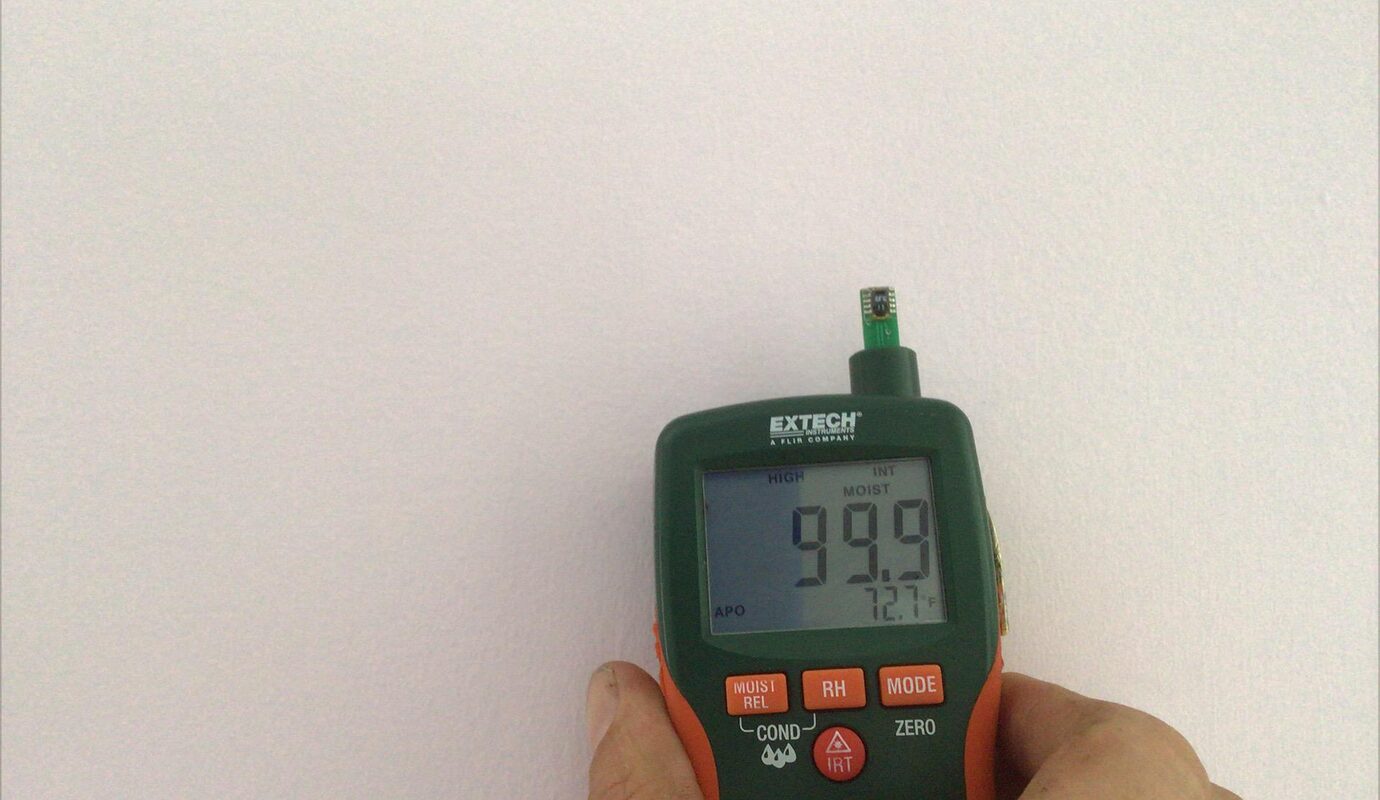
- Moisture readings of the affected areas before wet materials are removed.
- Photo evidence that drying equipment has been placed and is drying the property, with dry logs.
- A signed work authorization before the work starts.
- A signed Certificate of Satisfaction when the job is complete.
- An invoice detailing the work completed.
3.What has to be documented before any work starts?
A signed work authorization, the cause of loss, and an inspection that shows how much of the home is affected. The homeowner's insurance policy requires that emergency steps are taken to prevent further damage as soon as possible, so the emergency work is documented as it happens.
- The work authorization is signed.
- The area is inspected to determine the cause of loss, and whether the cause has been fixed. If a pipe is broken, a plumber needs to repair it.
- An inspection determines how much of the home is affected. It is recorded on video or in photos.
- Moisture readings are taken and the affected areas are marked off.
- Emergency services are photographed: extraction of standing water, and contents moved or protected.
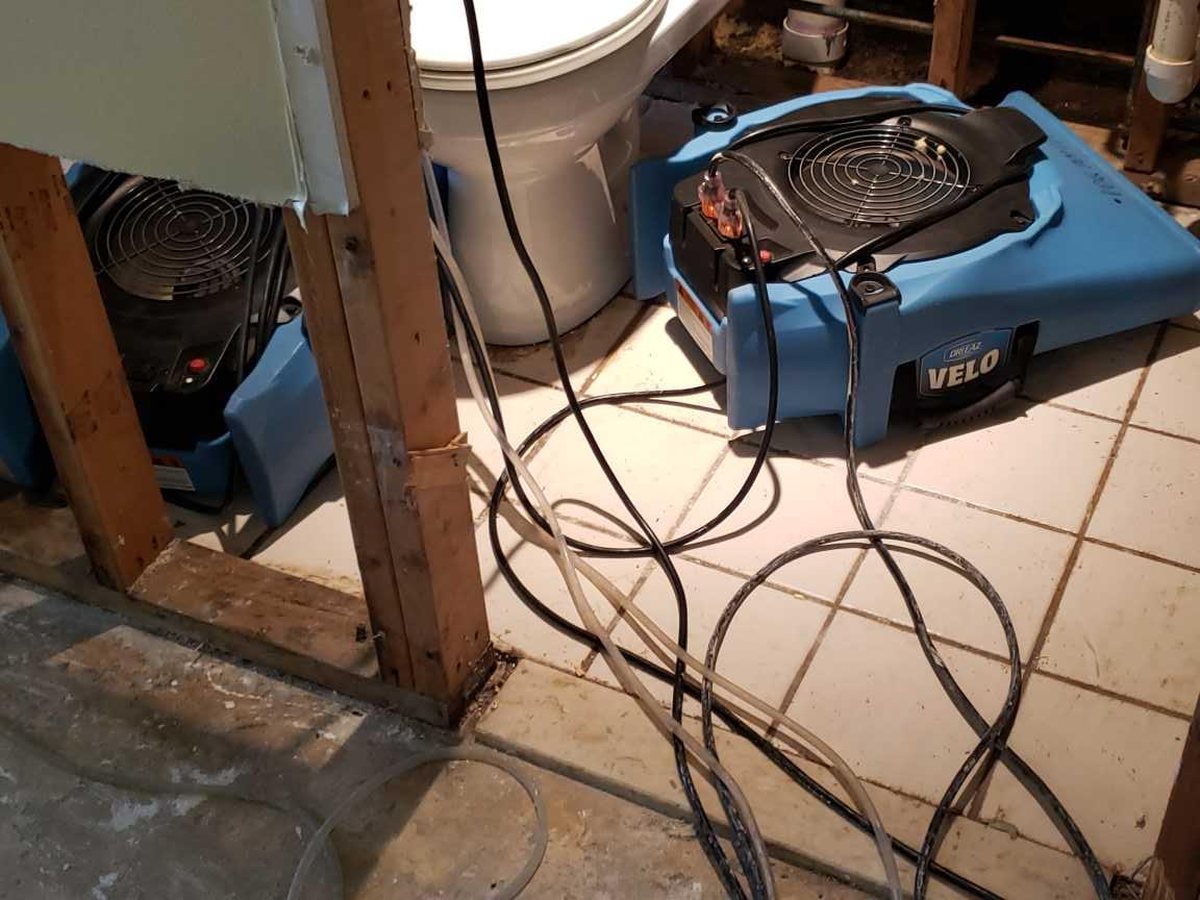
- Stabilizing equipment, such as dehumidifiers and air scrubbers, is photographed once placed.
| Stage | Record | What it proves |
|---|---|---|
| Before work | Work authorization, cause of loss, first moisture readings | The loss is covered and how far it reached |
| Emergency work | Photos of extraction, equipment and contents protection | Steps were taken to prevent further damage |
| Removal | Photos before, during and after, including hidden layers | What was removed and has to be replaced |
| Drying | Daily reading photos and dry logs | The property dried gradually to dry standards |
| Completion | Certificate of Satisfaction and invoice | The work was completed and accepted |
4.What gets documented every day during drying?
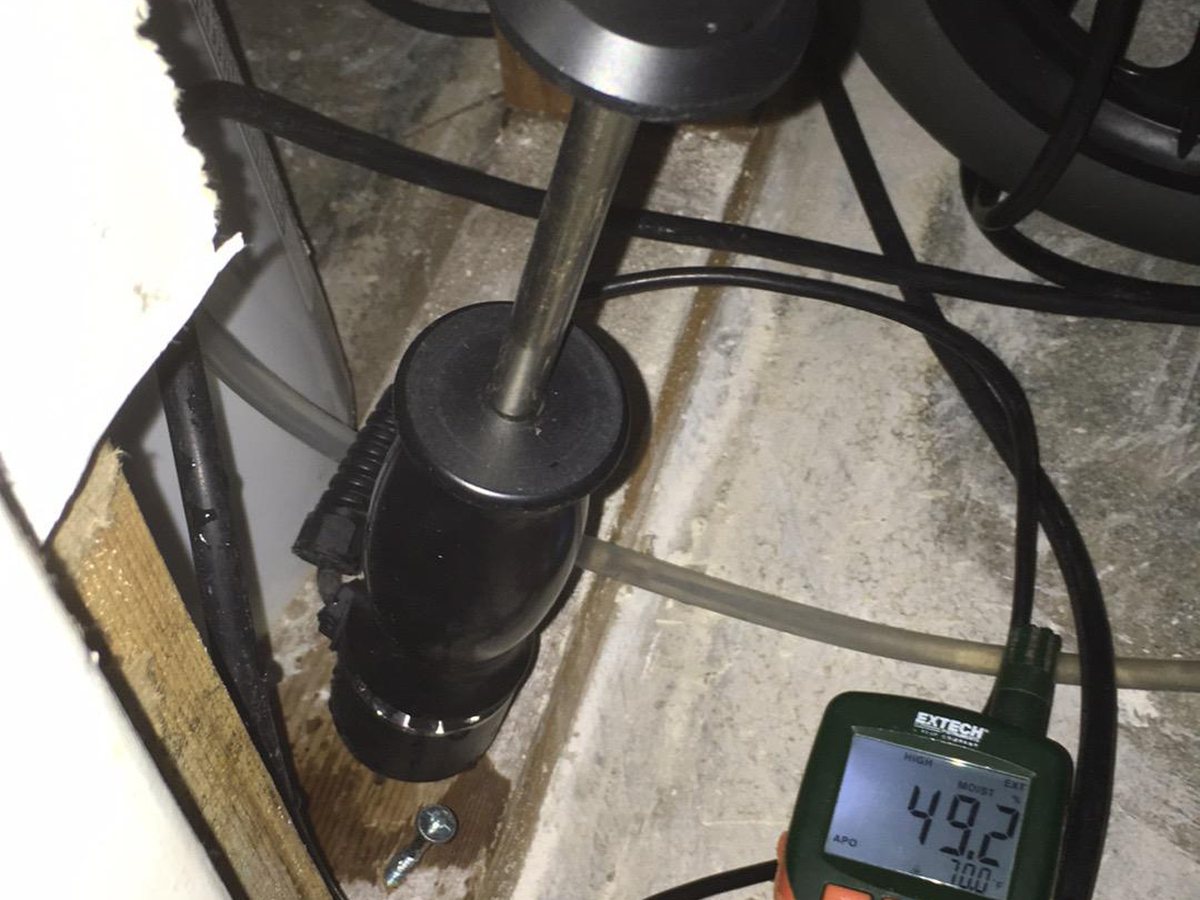
Moisture readings of the affected areas, every day, until dry standards are reached. This starts once the affected materials are removed and the areas are cleaned and disinfected.
- A photo of each reading, each day.
- A dry log that records the outside temperature, the inside temperature and the humidity in the room.
- Logs that show a gradual reduction until dry standards have been reached.
Drying is carried out to the ANSI/IICRC S500 standard [1].
5.How is the remediation work itself documented?
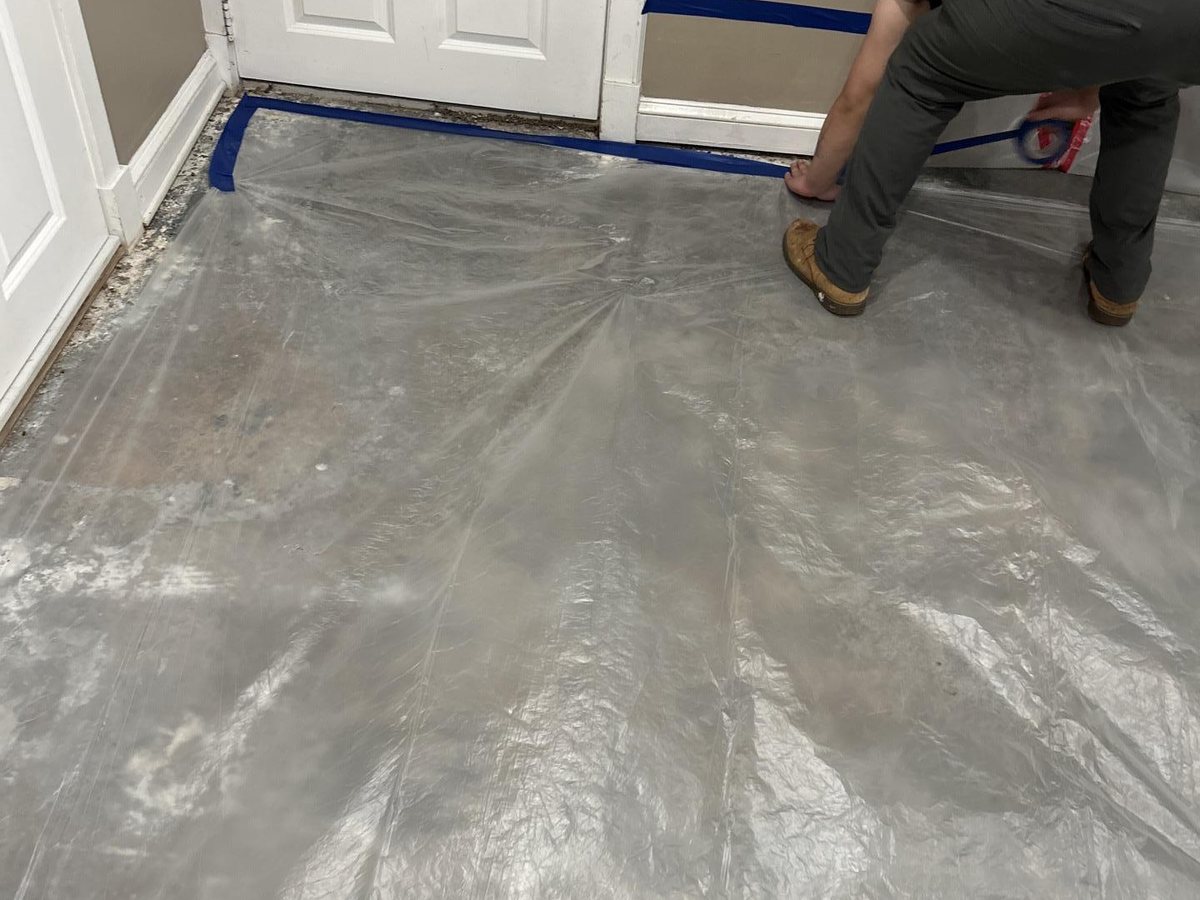
With photos and video before, during and after the removal. Before work begins, the affected areas are recorded in their current condition. The removal of materials is documented closely, particularly where there may be hidden materials: additional layers of drywall, insulation under drywall, and additional layers of flooring.
The photos should also show:
- PPE worn by the technicians
- Protection of unaffected surfaces, such as contents and fixtures covered in plastic
- Floor protection during demolition
- Containment barriers around affected areas
- Cleaning and vacuuming of the affected studs, sill plates and floor
- Post-demolition condition, such as open stud walls and ceiling joists
6.What should a homeowner photograph and keep?
Photos of any damaged contents, and any documents related to hazardous materials remediation, such as removal of asbestos-containing material. PDQ provides the homeowner with detailed documentation of the work that was completed.
- Photograph damaged contents before anything is moved or thrown away.
- Keep the plumber report or invoice that states the cause of loss.
- Keep hazardous materials paperwork, such as asbestos removal records.
- Keep receipts for temporary housing, food and emergency purchases.
- Keep the documentation PDQ gives you when the work is complete.
7.What happens when documentation is missing?
If documentation is missing, the insurance company may refuse to pay for the work. The gaps that slow down a claim most often are:
- Missing days in the dry logs, or no dry logs showing gradual drying.
- No sign-off on the use of air scrubbers during the work.
- Missing photos of the equipment placed.
The insurance company was denying a charge for removal of a second layer of drywall, claiming there were no photos showing a second layer was removed. A detailed search of the job photos found a side view of the remaining wall area, which proved that two layers of drywall existed. The charge was approved. This also helped the reconstruction, because the insurance company is required to replace what was removed.
8.Conclusion
When a water or fire loss occurs in your home, it is important to get help as soon as possible to minimize further damage. Waiting to address the issue can result in not only further damage, but a possible denial of your claim by the insurance company.
A complete claim file has two halves: proof of the damage and proof of the work. Both are built day by day, from the first moisture reading to the final invoice.
Appendix A.Questions homeowners ask
A1.Will there be any out-of-pocket charges?
PDQ Restoration will not charge the homeowner out of pocket for any covered work. The only charge the homeowner is required to pay is the deductible.
A2.What if I want laminate flooring instead of carpet when the room is rebuilt?
That depends on the cost of the laminate compared with the carpet. The insurance company only pays to replace what is there now. If the laminate costs more than what the insurance company pays for the carpet, an upgrade charge may apply.
A3.What should I do with my damaged contents?
Do not throw them away right away. Take pictures. PDQ helps you document damaged contents and gives you a photo list or spreadsheet to submit for replacement or reimbursement. PDQ does not set the value of contents. Once your adjuster clears the items for disposal, PDQ helps dispose of them.
A4.What if I cannot stay in the house because of the damage?
Your insurance company should cover temporary housing if you do not have use of the kitchen and bathroom, or the home is otherwise unlivable. This is called Additional Living Expenses. It is often handled as a reimbursement, and should include incidental costs such as food and emergency clothing or medications. Discuss it with your insurance company.
References and related reading
- ANSI/IICRC S500, Standard for Professional Water Damage Restoration. iicrc.org/s500
- PDQ Restoration. Water damage insurance claims.
- PDQ Restoration. Water damage restoration cost in NJ.
- PDQ Restoration. Water damage restoration.
About the author. Cheryl Knox is an Estimator and Project Manager at PDQ Restoration with 10 years in the restoration industry. She holds IICRC Water Damage Restoration Technician (WRT) and Fire and Smoke Restoration Technician (FSRT) certifications and is Xactimate Level 2 Certified.
Questions about documenting a water damage claim? Call PDQ Restoration at 973-447-3363, 24 hours a day.