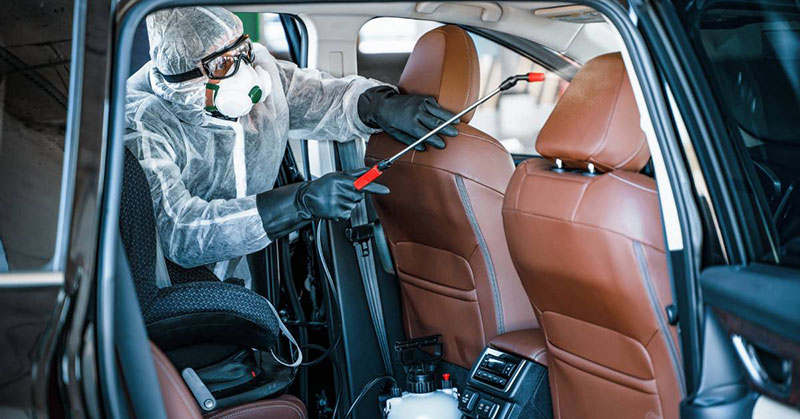
Vehicle Biohazard Cleanup: Restoring Safety After Accidents or Crime Scenes
After a vehicle has been involved in a traumatic accident, violent crime, or suicide, it may be contaminated with hazardous materials such as blood, bodily fluids, and other infectious substances. Prompt and professional biohazard cleanup is essential to restore safety and prevent health risks. Whether it's a case of trauma cleanup, suicide cleanup, or extensive crime scene cleanup, each situation requires a careful and thorough approach.
Understanding Vehicle Biohazard Contamination
Contamination inside vehicles can result from a variety of serious incidents:
-
Trauma cleanup may be required after car crashes or medical emergencies involving injuries and bleeding.
-
Crime scene cleanup is necessary when a vehicle is involved in criminal activity or violence.
-
Suicide cleanup addresses the sensitive and hazardous aftermath of self-inflicted harm within a vehicle.
These situations often involve exposure to bloodborne pathogens such as HIV, hepatitis B, and hepatitis C, which can survive on vehicle surfaces and pose significant health threats.
The Importance of Professional Biohazard Cleanup
Engaging certified professionals for biohazard cleanup in vehicles is critical for several reasons:
-
Health and Safety: Trained technicians ensure safe blood cleanup and handling of infectious materials, reducing the risk of contamination and illness.
-
Regulatory Compliance: Professionals follow all local and federal laws governing biohazard waste disposal, which is especially important during crime scene cleanup.
-
Thorough Decontamination: Experts use specialized equipment and disinfectants to eliminate all pathogens, ensuring effective trauma cleanup and vehicle restoration.
The Biohazard Cleanup Process
Vehicle biohazard cleanup is a multi-step process designed for maximum safety and cleanliness:
-
Assessment: Evaluating the extent of contamination caused by blood, fluids, or other materials.
-
Containment: Isolating the affected areas to prevent spreading contaminants.
-
Removal of Contaminants: Performing safe and legal disposal of all hazardous substances encountered during blood cleanup, suicide cleanup, or crime scene cleanup.
-
Cleaning and Disinfection: Using hospital-grade disinfectants to clean all impacted surfaces.
-
Deodorization: Eliminating any odors left behind from biohazardous materials.
-
Final Inspection: Confirming that the vehicle is safe, sanitized, and ready for use again.
Selecting a Qualified Biohazard Cleanup Service
When choosing a biohazard cleanup provider for a vehicle, consider the following:
-
Certification and Training: Ensure technicians are certified in trauma cleanup and biohazard remediation.
-
Experience: Look for companies with a strong track record in suicide cleanup, crime scene cleanup, and blood cleanup in vehicle settings.
-
Compliance: Confirm the service complies with all health and environmental regulations.
-
Availability: Timely service is crucial, especially in emergency biohazard cleanup situations.
Preventative Measures
To reduce the likelihood or severity of biohazard exposure in vehicles:
-
Immediate Response: Quickly address any incident requiring blood cleanup or decontamination to limit damage.
-
Protective Equipment: Use appropriate PPE when dealing with bodily fluids or biohazards.
-
Routine Cleaning: Maintain a regular cleaning schedule, especially for ambulances, police cruisers, or other emergency vehicles.
Conclusion
Vehicle biohazard cleanup is a crucial step in restoring health and safety after traumatic events. Whether it’s trauma cleanup from an accident, sensitive suicide cleanup, or detailed crime scene cleanup, professional services ensure complete and compliant decontamination. By following strict protocols and leveraging expertise, certified technicians return vehicles to a clean, safe, and operational state.