Understanding Hidden Water Damage After Summer Storms
Summer storms can deliver heavy rain, strong winds, and flash flooding that cause significant water intrusion. While visible flooding is easy to identify, hidden water damage often remains unnoticed behind walls, beneath flooring, and inside structural components.
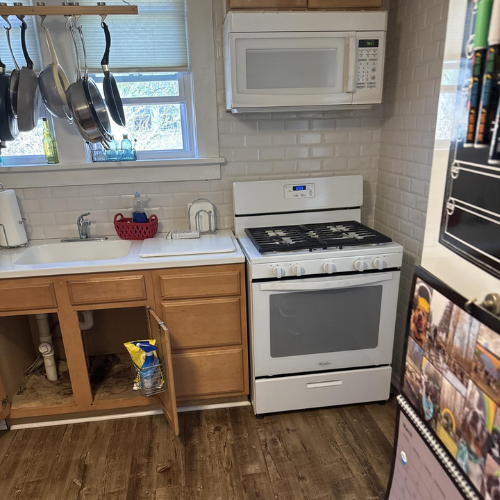
Even a small amount of undetected moisture can lead to extensive property damage if left untreated.
Without prompt detection and restoration, property owners risk:
- Structural deterioration
- Mold growth and contamination
- Electrical hazards
- Insulation damage
- Increased repair costs
- Reduced property value
Identifying hidden water damage early is essential for protecting your home or business.
How Summer Storms Cause Hidden Water Damage
Storm-related water intrusion often occurs through areas that may not show immediate signs of damage.
Common sources include:
- Roof leaks caused by wind damage
- Overflowing gutters and downspouts
- Window and door seal failures
- Foundation cracks
- Siding damage
- Flooding around the property perimeter
Water can travel considerable distances within walls and building cavities before becoming visible.
Areas Most Vulnerable to Hidden Moisture
Behind Drywall
Water can seep into wall cavities and saturate insulation without visible surface damage.
Under Flooring
Carpet, hardwood, laminate, and subflooring can absorb moisture that remains hidden beneath the surface.
Attics
Roof leaks frequently allow water to collect in insulation and structural framing.
Basements
Groundwater intrusion often affects foundation walls and flooring systems.
Crawl Spaces
Poor drainage and flooding can introduce significant moisture into crawl space environments.
These hidden areas require specialized inspection techniques for accurate assessment.
Warning Signs of Hidden Water Damage
Property owners should watch for:
- Water stains on ceilings or walls
- Musty odors
- Peeling paint or bubbling drywall
- Warped flooring
- Increased indoor humidity
- Mold growth
- Unexpected increases in utility bills
Even subtle indicators may signal a larger hidden moisture problem.
Professional Moisture Detection Methods
Restoration professionals use advanced technology to locate moisture that cannot be seen during a standard inspection.
Thermal Imaging
Infrared cameras identify temperature variations associated with hidden moisture.
Moisture Meters
These devices measure moisture levels within walls, floors, and ceilings.
Hygrometers
Humidity readings help identify areas with elevated moisture conditions.
Moisture Mapping
Detailed moisture mapping documents affected areas and guides the drying process.
These methods ensure all impacted materials are identified and properly addressed.
The Consequences of Untreated Hidden Water Damage
When hidden moisture remains unresolved, it can result in:
- Mold growth within 24 to 48 hours
- Wood rot and structural weakening
- Damaged insulation performance
- Indoor air quality concerns
- Costly reconstruction projects
Prompt mitigation significantly reduces the extent of damage and restoration costs.
Insurance Documentation and Restoration
Proper documentation of storm-related water damage is essential for insurance claims.
Professional restoration teams provide:
- Moisture readings
- Damage assessments
- Photographic evidence
- Drying logs
- Restoration reports
This documentation helps support claim approvals and ensures compliance with industry standards.
Call the Experts for Storm Damage Restoration
If your property has experienced a summer storm, hidden water damage may already be present even if everything appears dry on the surface.
PDQ Restoration’s licensed, IICRC-certified team uses advanced moisture detection equipment and proven restoration techniques to identify and eliminate hidden water damage before it becomes a larger problem.
Contact PDQ Restoration today for professional storm damage inspection, water mitigation, and restoration services you can trust.