Toilet Overflow Cleanup: Safe Practices and When to Call Professionals
A toilet overflow is one of the most disruptive and unsanitary forms of residential water damage. Whether caused by a simple blockage or a deeper plumbing or sewage issue, an overflowing toilet can quickly lead to significant structural damage, hazardous contamination, and mold growth if not addressed promptly and properly.
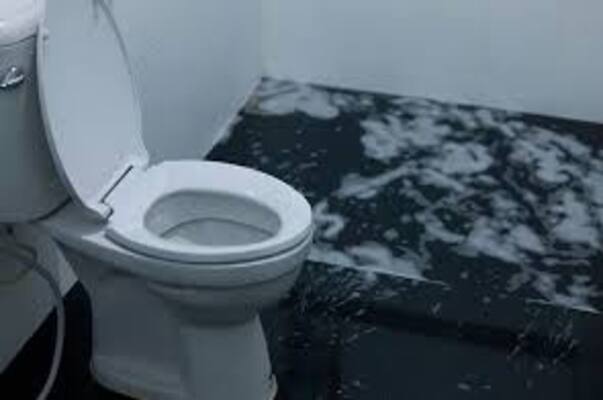
Immediate action is critical to contain the situation and prevent further harm to your home and health. While some minor incidents may be resolved through safe do-it-yourself (DIY) methods, others require professional assessment and remediation. At PDQ Restoration, we specialize in toilet overflow cleanup, sewage removal, and comprehensive bathroom flood restoration, offering 24/7 response throughout New Jersey and beyond.
Common Causes of Toilet Overflows
Understanding the underlying causes of toilet overflows helps homeowners respond appropriately and prevent future occurrences. The most common contributors include:
- Blockages: Accumulated toilet paper, sanitary products, wipes, or foreign objects obstructing the drain.
- Sewer Line Backups: Obstructions or damage in the main sewer line can cause wastewater to backflow into the home.
- Float Valve or Fill Mechanism Failures: Malfunctioning components within the tank may allow continuous water flow, resulting in overflow.
- Septic System Malfunctions: A full or failing septic tank may lead to system-wide backups, including toilet overflows.
Immediate Steps for Homeowners – Safe DIY Practices
If a toilet overflow occurs, quick and cautious action can help minimize water damage and mitigate health hazards—provided the water is clean and uncontaminated.
- Shut Off the Water Supply
Locate and turn off the water shutoff valve behind the toilet to stop additional water from entering the bowl. - Contain the Spill
Use towels or waterproof barriers to limit the spread of water, especially into adjacent rooms or porous surfaces. - Remove Standing Water (If Category 1)
For overflows involving Category 1 water (clean water), use mops or a wet/dry vacuum to extract standing water. - Sanitize All Affected Surfaces
Disinfect thoroughly with household cleaners to eliminate bacteria, especially on tile floors, baseboards, and cabinets. - Ventilate the Area
Increase airflow with fans, open windows, or a dehumidifier to aid in moisture removal and odor control.
Note: DIY cleanup should only be attempted if the water is clear and has not come into contact with waste or contaminants. Overflows involving gray or black water require professional intervention.
When to Call a Professional Restoration Company
Certain situations present elevated health and safety risks, requiring the expertise of certified water damage professionals. Contact PDQ Restoration immediately if any of the following apply:
- Water is Category 2 (gray water) or Category 3 (black water), indicating contamination.
- The overflow involves sewage or fecal matter.
- Water has spread to walls, subflooring, or adjacent rooms.
- There is a recurrence of overflows, suggesting a larger plumbing or main line issue.
- You want to prevent mold growth or ensure complete structural drying.
Professional sewage cleanup is essential for restoring sanitation, protecting your home’s structure, and preserving indoor air quality.
PDQ Restoration’s Professional Toilet Overflow Cleanup Process
At PDQ Restoration, our team follows a rigorous, industry-compliant process for managing toilet overflow incidents:
- Damage Assessment and Moisture Mapping
We perform a detailed inspection and use advanced tools to detect hidden moisture and contamination spread. - Safe Water Extraction and Biohazard Removal
Contaminated water is removed using professional-grade extraction equipment with appropriate safety protocols. - Comprehensive Disinfection
All affected materials are cleaned and sanitized using EPA-registered antimicrobial agents. - Structural Drying and Dehumidification
We deploy high-capacity air movers and commercial dehumidifiers to ensure full moisture removal and inhibit mold growth. - Coordination with Plumbing Experts
If the overflow is related to a plumbing issue, we work closely with licensed professionals to correct the root cause.
Call PDQ Restoration – Your Trusted Emergency Response Partner
When faced with a toilet overflow, fast and effective action is essential. For Category 3 water cleanup, professional sewage cleanup, or biohazard cleanup in bathrooms, trust PDQ Restoration to respond immediately with expertise and care.
We’re available 24/7 to restore your home and peace of mind.
PDQ Restoration — Fast. Professional. Trusted.