The Storm May Be Over, But Your Water Damage May Just Be Beginning
A severe storm can pass in a matter of hours, but the water it leaves behind can continue causing damage long after the rain has stopped.
Roof leaks, damaged windows, basement seepage, and water that has entered behind walls or underneath flooring may not always be immediately visible. In fact, some of the most serious water damage begins quietly, with only a small stain, damp smell, or slightly warped surface to indicate that moisture is still present.
That is why a post-storm inspection is important—even when your home appears to be dry and everything seems to be back to normal.
Why Storm Damage Can Continue After the Rain Stops
Stormwater does not always remain where you can see it. Water can travel through building materials and settle in areas that are difficult to access.
Without proper inspection and drying, homeowners may face:
- Hidden moisture behind walls and ceilings
- Saturated insulation and drywall
- Wet carpet, padding, and subfloors
- Wood deterioration and structural damage
- Musty odors
- Mold growth
- Damage that becomes more expensive to repair over time
A room can look dry on the surface while moisture remains underneath flooring, inside wall cavities, or above a ceiling.
Start With a Post-Storm Walkthrough
After a severe storm, take a careful walk through your home. Look beyond obvious flooding and pay attention to small changes.
1. Check the Roof and Attic
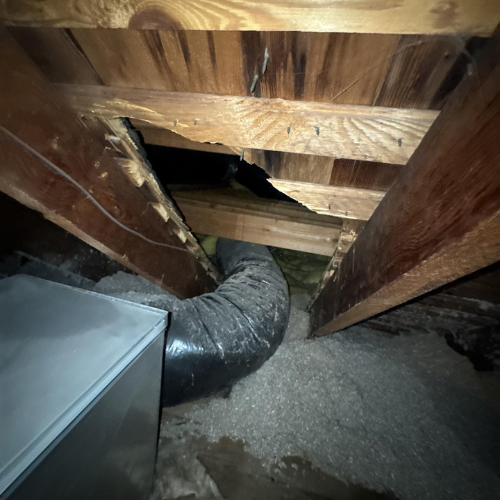
If it is safe to do so, inspect the attic and upper areas of your home for signs of water intrusion.
Look for:
- Water stains on ceilings or rafters
- Damp insulation
- Dripping or wet areas
- Darkened wood
- New odors
- Moisture around roof penetrations, vents, or chimneys
You may not see an active leak. Water can enter during heavy rain and remain trapped in insulation or other materials.
2. Inspect Ceilings and Walls
A small brown or yellowish stain on a ceiling should not automatically be dismissed as cosmetic.
It can indicate that water has entered from:
- A damaged roof
- Flashing or roof penetrations
- An upper-floor plumbing area
- A window or exterior wall
- Storm-related water intrusion
Pay attention to bubbling paint, soft drywall, peeling surfaces, or discoloration. These can indicate that moisture is present behind the finished surface.
3. Check Windows and Exterior Doors
Heavy rain and wind can expose weaknesses around windows and doors.
Check for:
- Water staining around frames
- Damp drywall or trim
- Wet carpet near exterior walls
- Peeling paint
- Drafts or visible gaps
- Moisture underneath flooring
Even a small opening can allow enough water into a wall assembly to create a larger problem.
4. Don't Forget the Basement
Basements are particularly vulnerable during periods of heavy rainfall.
Look for:
- Standing water
- Damp floors or walls
- Wet carpeting
- Water around foundation walls
- Musty odors
- New staining
- Moisture around windows or utility penetrations
Even when there is no standing water, elevated moisture levels can still indicate that water has entered the structure.
Hidden Moisture Is Often the Biggest Concern
One of the challenges after storm damage is that visible water does not tell the entire story.
Water can migrate underneath carpet and padding, into wall cavities, beneath flooring, and into other porous building materials.
For example, a carpet may feel only slightly damp while the padding underneath is holding considerably more moisture. A wall may look normal while moisture has moved behind the drywall.
This is why professional water damage inspections often involve more than simply looking at the affected area.
Moisture meters, thermal imaging, and other detection methods can help identify areas that require further evaluation and drying.
A Small Water Stain Can Be a Warning Sign
It is tempting to simply paint over a water stain once the surface appears dry.
However, the stain may be evidence of a larger moisture problem.
Before repairing or covering the affected area, determine:
- Where did the water come from?
- Has the source been corrected?
- How far did the moisture travel?
- Are surrounding materials still wet?
- Is there moisture behind the wall or underneath the floor?
- Does the affected material need to be removed?
- Has the area been properly dried?
Addressing the visible stain without addressing the moisture can allow the underlying problem to continue.
What About a Musty Smell After a Storm?
A musty odor is another sign worth investigating.
If your home develops a new or stronger musty smell after heavy rain, check areas where moisture may have accumulated, including:
- Basements and crawlspaces
- Carpets and padding
- Behind furniture
- Exterior-facing walls
- Ceilings
- Around windows
- Areas with previous water damage
Odor alone cannot determine the extent or source of a moisture problem, but it is a reason to investigate rather than simply cover the smell with an air freshener.
Don't Assume the Damage Is Too Small for Professional Help
Not every water intrusion requires major reconstruction. In many situations, identifying the problem early can help prevent it from becoming a larger restoration project.
Consider having the area professionally evaluated if you notice:
- Water entering through the roof, windows, or walls
- Wet carpet or flooring
- A ceiling or wall that remains damp
- Water inside a wall cavity
- Persistent musty odors
- Repeated basement seepage
- Water damage in an area that has been affected before
- Moisture that you cannot locate or fully dry
Professional restoration is not simply about removing visible water. The goal is to identify the affected areas, determine how far moisture has traveled, and establish whether materials have been adequately dried.
What Professional Storm Water Restoration May Include
Depending on the extent and source of the damage, restoration may involve several steps.
Moisture Inspection
The affected area is evaluated to determine where moisture is present and how far it has spread.
Water Extraction
Standing water and recoverable moisture are removed using professional extraction equipment.
Structural Drying
Air movers and commercial dehumidifiers help remove moisture from affected materials and the surrounding environment.
Moisture Monitoring
Drying should not be based solely on how a surface feels. Moisture readings can be monitored throughout the process to help determine when affected materials have reached appropriate drying conditions.
Cleaning and Antimicrobial Treatment
Where appropriate, affected areas may require cleaning and antimicrobial treatment as part of the restoration process.
Documentation
Moisture readings, equipment usage, photographs, and drying documentation can help establish what was affected and how the restoration process was performed. This information may also be useful when working with an insurance company.
A Storm Doesn't Have to Flood Your Home to Cause Water Damage
Many homeowners associate storm damage with dramatic flooding.
But water damage can also begin with something much smaller:
A roof that leaks during heavy rain.
A window that allows water into the wall.
A basement that takes on water.
A damaged exterior seal.
A small opening that lets stormwater migrate into the structure.
The important question isn't always how much water you can see.
It is where the water went after it entered your home.
What to Do If You Find Water Damage After a Storm
If you discover water intrusion after a storm:
1. Put safety first.
Stay away from electrical hazards and areas that may be structurally compromised.
2. Stop the source if it is safe to do so.
Address the source of the water when possible, such as shutting off a plumbing supply or placing a temporary covering over a safe-to-access area.
3. Document what you see.
Take photographs and videos of visible damage before cleanup when it is safe.
4. Avoid spreading the damage.
Limit foot traffic through affected areas and avoid unnecessary disturbance of wet materials.
5. Have moisture levels evaluated.
Visible water may not represent the full extent of the damage.
6. Call a professional when the damage extends beyond what you can safely and completely dry.
When to Call PDQ
The storm may be over, but your property may still be dealing with the moisture it left behind.
If you notice water intrusion, damp materials, staining, musty odors, or signs of hidden moisture after a storm, PDQ Fire & Water Damage Restoration can help evaluate the situation and determine the appropriate restoration steps.
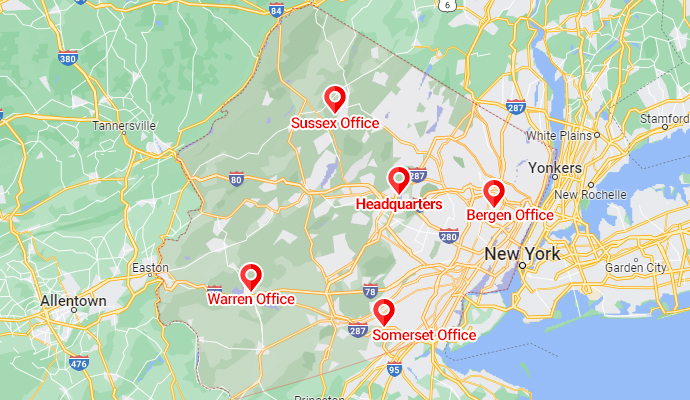
PDQ's IICRC-certified team provides professional water damage restoration, water extraction, structural drying, moisture detection, dehumidification, and related restoration services for homes and businesses throughout Northern New Jersey.
Don't wait for a small sign of water damage to become a much bigger problem. If you need help after a storm, PDQ is here when you need us.