The Role of Personal Protective Equipment (PPE) in Biohazard Remediation
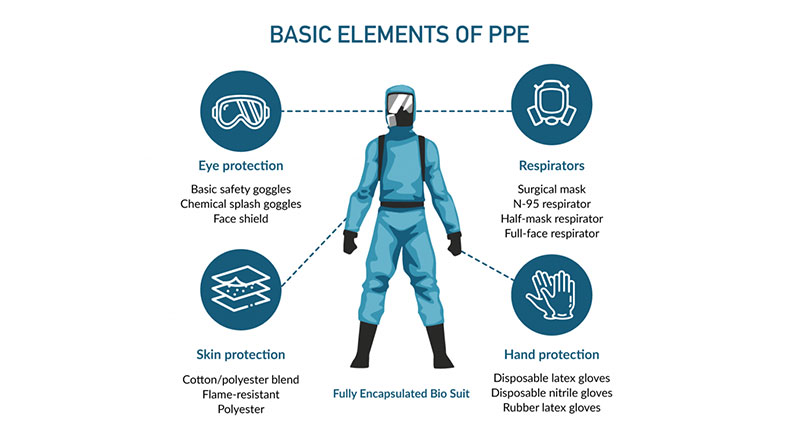
In every biohazard cleanup operation—whether it is a rapid-response trauma cleanup, a sensitive suicide cleanup, or an extensive crime scene cleanup—proper Personal Protective Equipment (PPE) is the first and last line of defense. It shields technicians from infectious agents and chemical hazards while they carry out detailed blood cleanup and other high-risk tasks.
Why PPE Matters in Biohazard Work
Professionals handling bloodborne pathogens such as HIV or hepatitis frequently perform blood cleanup and suicide cleanup inside homes, vehicles, and public spaces. Without the right gear, even a small splash can turn a routine biohazard cleanup into a life-threatening event. Robust PPE keeps contaminants contained and prevents cross-contamination between the active work zone and clean areas during large-scale crime scene cleanup.
Core PPE Components
-
Protective clothing: Impermeable coveralls with hoods and boot covers protect technicians during trauma cleanup and crime scene cleanup where fluids may seep into porous materials.
-
Gloves: Nitrile or latex gloves—often double-layered—are essential in all blood cleanup and biohazard cleanup scenarios.
-
Respiratory protection: From N95 masks to full-face respirators with HEPA filters, respirators block aerosolized pathogens common in suicide cleanup and advanced biohazard cleanup.
-
Eye and face shields: Goggles and shields prevent splashes during the removal of flooring or drywall saturated with blood.
-
Foot protection: Sealed boots or disposable shoe covers keep contaminants from traveling outside the crime scene cleanup zone.
Best-Practice Protocols
-
Donning and doffing: Strict procedures guarantee PPE goes on and comes off without skin contact—vital when shifting from trauma cleanup to vehicle or hallway transit.
-
PPE levels: Following HHS Level D through Level A guidelines ensures the right protection for everything from minor blood cleanup to full-scale biohazard cleanup in industrial settings.
-
Inspection and maintenance: Regular checks for tears or punctures preserve the integrity of gear used in repetitive suicide cleanup assignments.
-
Standards compliance: Teams align with OSHA’s Bloodborne Pathogens Standard and EPA disposal rules to keep every crime scene cleanup fully legal and verifiable.
Authoritative Resources
-
OSHA Bloodborne Pathogens Standard – https://www.osha.gov/bloodborne-pathogens
-
CDC Infection-Control Guidelines – https://www.cdc.gov/infectioncontrol/
By selecting, wearing, and maintaining the correct PPE, specialists protect themselves and the public during complex biohazard cleanup projects. This disciplined approach ensures every trauma cleanup, blood cleanup, and suicide cleanup meets regulatory requirements while bringing contaminated spaces back to safe, livable condition after a devastating crime scene cleanup event.