Summer Thunderstorms and Roof Leaks: Hidden Risks for Homeowners
Summer thunderstorms can bring heavy rainfall, strong winds, and sudden weather changes that place significant stress on residential roofing systems. While some storm damage is immediately visible, many roof leaks remain hidden until moisture has already spread into walls, ceilings, insulation, and flooring.
A small roof leak may seem minor at first, but untreated water intrusion can quickly lead to structural damage, mold growth, and costly repairs.
Without prompt detection and mitigation, homeowners risk:
• Hidden water damage behind walls and ceilings
• Mold growth from trapped moisture
• Damage to insulation and drywall
• Structural deterioration of building materials
• Poor indoor air quality and odors
• Increased restoration and reconstruction costs
Understanding the hidden risks associated with summer storm-related roof leaks can help homeowners protect their property before minor damage becomes a major issue.
How Summer Thunderstorms Cause Roof Leaks
During severe summer weather, roofs are exposed to intense conditions that can create openings for water intrusion.
Common causes of storm-related roof leaks include:
- Damaged or missing shingles
- Cracked flashing around vents and chimneys
- Wind-driven rain penetrating roof seams
- Clogged gutters causing water backup
- Aging roofing materials
- Storm debris impacting roof surfaces
Even a small opening can allow water to enter the home and travel far beyond the original point of entry.
In many cases, homeowners may not notice a problem until visible staining or damage appears indoors.
Why Hidden Water Damage Is So Dangerous
Water rarely stays where it enters.
Once inside the structure, moisture can migrate through:
- Ceiling cavities
- Wall assemblies
- Insulation materials
- Flooring systems
- Baseboards and trim
Because much of this moisture remains concealed, significant damage can occur before homeowners become aware of the issue.
The longer moisture remains trapped, the greater the risk of mold growth and structural deterioration.
Common Signs of a Hidden Roof Leak
Not all roof leaks produce obvious dripping water.
Warning signs may include:
Water Stains
Discoloration on ceilings or walls often indicates moisture intrusion above.
Peeling Paint or Bubbling Drywall
Excess moisture can cause finishes to separate from underlying surfaces.
Musty Odors
Persistent odors may signal hidden moisture and developing mold.
Increased Indoor Humidity
Water intrusion can raise humidity levels throughout the home.
Warped Flooring or Trim
Moisture migrating through structural components may affect nearby materials.
If any of these symptoms appear after a summer storm, a professional inspection is recommended.
Real-World Example: Hidden Moisture Spreading Beyond the Source
Although not all water damage originates from a roof leak, the way moisture spreads through a home is often very similar.
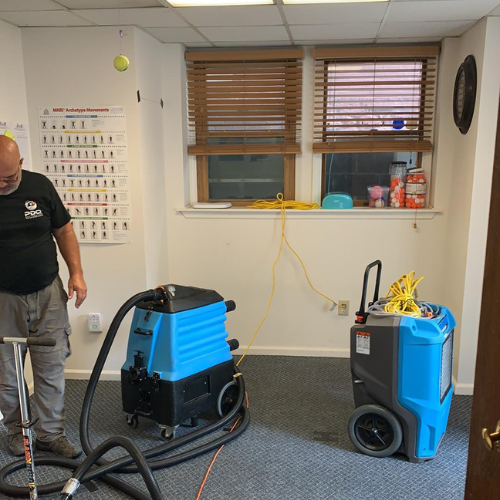
Brian T. contacted PDQ Fire & Water Damage Restoration after discovering water damage spreading from a bathroom into the hallway of his Mendham, NJ home. A slow leak from a faulty bathroom supply line had allowed moisture to saturate the carpet, padding, and surrounding structural materials over time.
Using thermal imaging cameras and moisture meters, PDQ technicians identified elevated moisture levels beneath the carpet, along baseboards, and within wall cavities. While the visible damage appeared limited, hidden moisture had already migrated into surrounding materials.
To prevent further damage, technicians performed:
- Immediate water extraction
- Removal of saturated carpet padding
- Targeted structural drying
- Commercial dehumidification
- Moisture monitoring
- Antimicrobial treatment applications
The project demonstrated how water can travel well beyond its original source and why professional moisture detection is critical.
The same hidden moisture migration frequently occurs after roof leaks caused by summer storms, making early intervention essential.
Professional Methods for Detecting Hidden Moisture
Many storm-related water losses require specialized equipment to locate moisture that cannot be seen during a visual inspection.
Thermal Imaging Cameras
Infrared technology helps identify temperature differences associated with hidden moisture.
Moisture Meters
These devices measure moisture content inside building materials.
Hygrometers
Humidity readings help identify areas where moisture may be accumulating.
Moisture Mapping
Technicians document affected areas and track drying progress throughout the restoration process.
These tools help ensure all affected materials are properly identified and dried.
The Importance of Immediate Drying
When water intrusion is discovered, immediate mitigation can significantly reduce damage.
Professional drying procedures may include:
- Water extraction
- Removal of saturated materials
- High-powered air movers
- Commercial dehumidifiers
- Daily moisture monitoring
- Antimicrobial treatments
The goal is to remove moisture before mold growth and structural deterioration occur.
Prompt action often reduces restoration costs and shortens recovery time.
Insurance Documentation Matters
Storm-related water damage often involves insurance claims.
Professional restoration teams provide:
- Moisture readings
- Thermal imaging documentation
- Drying logs
- Equipment records
- Photographic evidence
- Detailed restoration reports
Proper documentation helps support claim approvals and demonstrates that mitigation was completed according to industry standards.
Protecting Your Home During Storm Season
Homeowners can reduce roof leak risks by:
- Inspecting roofs annually
- Cleaning gutters and downspouts
- Replacing damaged shingles promptly
- Checking flashing around roof penetrations
- Monitoring attics for signs of moisture
- Addressing water stains immediately
Routine maintenance helps identify potential issues before severe weather strikes.
Call the Experts for Storm-Related Water Damage
If your home has experienced a summer thunderstorm, hidden moisture may already be present even if visible damage appears minimal.
PDQ Restoration's licensed, IICRC-certified team provides advanced moisture detection, water extraction, structural drying, mold prevention, and complete water damage restoration services. We identify hidden moisture, stop further damage, and help restore your property safely and efficiently.
Contact PDQ Restoration today for professional storm damage and water restoration services you can trust.