Storm Damage to Your Home: What to Check After a Severe Storm
Severe storms can cause significant damage to a home even when the damage is not immediately visible. Heavy rain, strong winds, fallen branches, and flooding can create openings that allow water to enter the property.
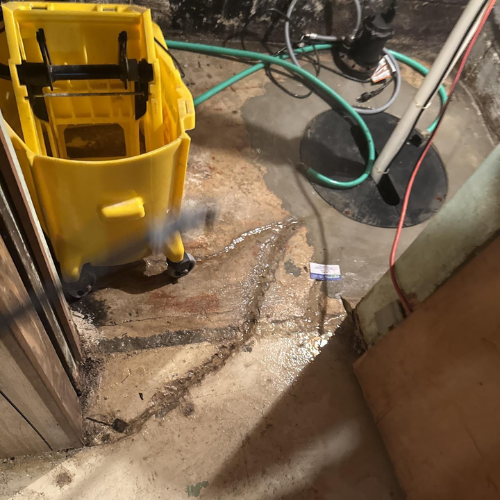
After a storm, homeowners may notice obvious problems such as broken windows, missing shingles, or standing water. However, water can also enter through small openings and spread behind walls, beneath flooring, and into ceilings and insulation.
Without a professional inspection, homeowners risk:
- Hidden water damage
- Mold growth
- Damaged drywall and insulation
- Wet flooring and subflooring
- Structural deterioration
- More expensive repairs later
Taking action quickly after a severe storm can help prevent secondary damage.
Common Types of Storm Damage
Storms can affect different parts of a property.
Roof Damage
High winds and flying debris can damage shingles, flashing, vents, and other roofing components. Even a small opening can allow rainwater to enter the attic or ceiling.
Window and Door Damage
Damaged seals, broken glass, and deteriorated weatherstripping can allow wind-driven rain to enter the home.
Basement Flooding
Heavy rainfall can overwhelm drainage systems and cause groundwater to enter basements through foundation cracks, windows, floor drains, or other openings.
Interior Water Damage
Once water enters a home, it can travel through walls, ceilings, flooring, and insulation.
Why a Visual Inspection May Not Be Enough
Some of the most serious storm damage may be hidden.
Water can become trapped:
- Behind drywall
- Under carpet and padding
- Beneath flooring
- Inside wall cavities
- Around baseboards
- Inside insulation
Professional moisture detection equipment can help identify areas that appear dry but still contain elevated moisture levels.
What Homeowners Should Do After a Storm
If it is safe to enter the property, look for:
- Ceiling or wall stains
- Damp carpeting
- Musty odors
- Water around windows
- Standing water in the basement
- Damaged roofing materials
- Peeling paint or bubbling drywall
Do not enter areas where standing water may have come into contact with electrical equipment.
Professional Storm Damage Assessment
PDQ Restoration technicians can evaluate affected areas using moisture meters, thermal imaging, and other specialized equipment.
The goal is to determine the full extent of water intrusion and develop an appropriate mitigation plan.
Depending on the damage, restoration may include:
- Water extraction
- Removal of saturated materials
- Structural drying
- Commercial air movers
- Dehumidification
- Moisture monitoring
- Antimicrobial treatments
Why Fast Action Matters
Storm water can continue moving through building materials long after the rain has stopped.
Prompt mitigation can help reduce:
- Mold growth
- Structural damage
- Odor development
- Flooring damage
- Reconstruction costs
The sooner affected materials are properly dried, the better the opportunity to preserve the property.
Call the Experts for Storm Damage Restoration
If your home has experienced water intrusion after a severe storm, don't wait for hidden damage to become visible.
PDQ Restoration's licensed, IICRC-certified team provides storm and water damage inspection, extraction, moisture detection, structural drying, and restoration services.
Contact PDQ Restoration today for professional storm damage restoration you can trust.