Storm & Flood Damage Restoration: From Emergency Response to Recovery
Recovering from storm or flood damage involves more than removing standing water. A complete restoration process must address the source of the water, affected materials, hidden moisture, drying conditions, and potential secondary damage.
Professional restoration helps homeowners move from emergency response to a properly dried and restored property.
Step 1: Emergency Assessment
The restoration process begins with an inspection of the affected property.
Technicians identify:
- Where water entered
- How far the water traveled
- Which materials were affected
- Whether hidden moisture is present
- What materials may require removal
Safety concerns are also evaluated before restoration work begins.
Step 2: Water Extraction
Standing water is removed using professional extraction equipment.
Rapid extraction helps minimize the amount of time that flooring, drywall, carpet, and other porous materials remain saturated.
Step 3: Moisture Detection and Mapping
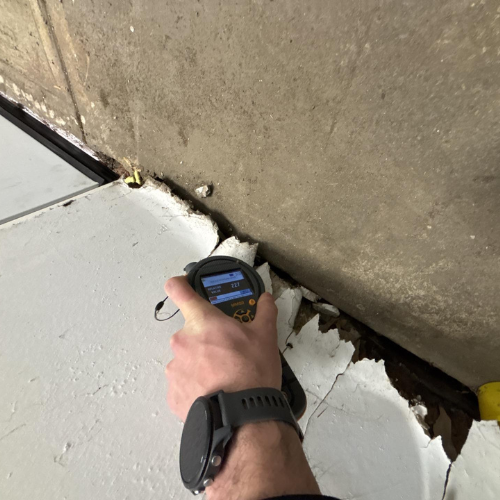
Technicians use moisture meters and thermal imaging to identify areas affected by water.
Moisture mapping helps determine the scope of the damage and guides equipment placement.
Step 4: Removal of Unsalvageable Materials
Some materials may not be suitable for drying or restoration, depending on the type and extent of water exposure.
Targeted removal may include:
- Wet carpet padding
- Severely damaged drywall
- Saturated insulation
- Damaged flooring materials
Removing affected materials can provide access to trapped moisture and support proper drying.
Step 5: Structural Drying
Commercial air movers and dehumidifiers are strategically positioned to accelerate evaporation and remove moisture from the environment.
Drying is monitored throughout the project rather than relying on a predetermined number of days.
Step 6: Moisture Monitoring
Technicians take moisture readings throughout the drying process.
These readings help determine:
- Whether materials are drying properly
- Where additional equipment is needed
- When equipment can be removed
- Whether drying goals have been reached
Step 7: Cleaning and Antimicrobial Treatment
Affected surfaces may require professional cleaning and antimicrobial treatment depending on the circumstances of the water loss.
This helps address contamination and reduce conditions that can contribute to microbial growth.
Step 8: Documentation
Professional restoration projects are documented throughout the mitigation process.
Documentation may include:
- Initial inspection findings
- Photographs
- Moisture readings
- Equipment logs
- Drying records
- Completed mitigation work
This information can be important for insurance claims and future property records.
From Mitigation to Reconstruction
Water mitigation and reconstruction are different stages of recovery.
Mitigation focuses on stopping additional damage, removing water, and drying the property.
Once mitigation is complete, reconstruction can begin to repair or replace damaged building components.
Completing the drying process before reconstruction is important because rebuilding over wet materials can trap moisture inside the structure.
Why Professional Restoration Matters
Storm and flood damage can be overwhelming, particularly when the visible damage does not tell the entire story.
Professional restoration provides:
- Advanced moisture detection
- Professional water extraction
- Structural drying
- Dehumidification
- Detailed documentation
- Coordinated restoration services
A systematic approach helps reduce secondary damage and gives homeowners a clearer path toward recovery.
Call PDQ Restoration After Storm or Flood Damage
When severe weather causes water intrusion or flooding, don't wait for hidden damage to become a bigger problem.
PDQ Restoration's licensed, IICRC-certified team provides storm and flood damage mitigation, water extraction, moisture detection, structural drying, dehumidification, cleaning, and restoration services.
From the initial assessment through the drying process, our team works to protect your property and help you move toward recovery.
Contact PDQ Restoration today for professional storm and flood damage restoration services you can trust.