Soot Damage Cleanup: Techniques for Walls, Ceilings, and Contents
Soot is one of the most pervasive and damaging byproducts of a fire. It forms when materials—especially plastics, wood, fabrics, or food—burn incompletely, producing fine carbon particles that cling to every surface. Whether from a kitchen fire, electrical malfunction, or smoke-heavy blaze, soot infiltrates deep into walls, ceilings, furniture, and HVAC systems. But soot isn't just an eyesore — it’s acidic, toxic, and capable of causing lasting damage to both property and health.
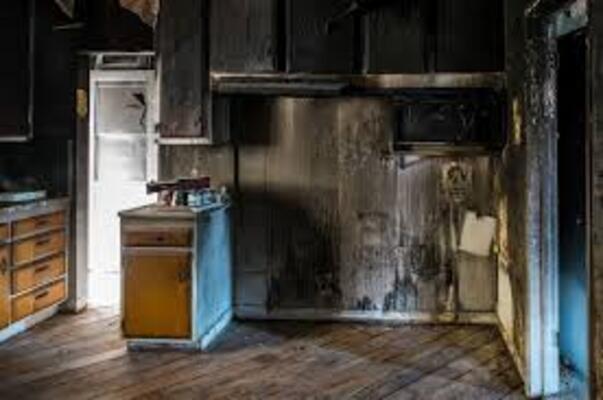
Without fast and professional intervention, soot damage cleanup becomes more difficult and expensive over time. At PDQ Restoration, we specialize in advanced soot removal from walls, ceilings, and belongings, using safe, industry-proven methods to fully restore homes and businesses. Our team understands how to reverse the corrosive effects of toxic soot residue and eliminate hazardous smoke odors at the source.
Risks and Consequences of Soot Damage
Soot’s fine, oily nature allows it to spread quickly and settle everywhere—visible and hidden. If left unaddressed, it can cause the following:
- Deterioration of Painted Walls and Ceilings: The acidic nature of soot breaks down paint, drywall, and wallpaper, leading to bubbling, peeling, and long-term discoloration.
- Permanent Staining of Furniture and Fabrics: Upholstery, carpets, and curtains can absorb soot deeply, making DIY cleaning ineffective and often causing permanent staining.
- Corrosion of Electronics and Metals: Soot is highly conductive and corrosive, posing a severe threat to sensitive electronics and appliances.
- Respiratory Hazards and Lingering Odors: Soot particles can remain airborne, irritating lungs and eyes. Long-term exposure may cause respiratory issues, especially for children, seniors, and those with pre-existing conditions.
Professional Soot Cleanup Techniques – Surface-Specific
Walls & Ceilings
- Dry Cleaning Sponges: Also known as chemical sponges, these are specifically designed for removing soot from painted walls, drywall, and ceilings without smearing.
- HEPA Vacuuming & Mild Detergents: HEPA-filter vacuums safely remove loose soot particles, while gentle detergent solutions neutralize acidic residues.
- Odor-Blocking Primers: In severe cases, walls and ceilings are sealed with specialized primers before repainting to block any remaining smoke odor or staining.
Contents & Belongings
- Soft Goods: Clothing, bedding, and curtains are treated using professional laundering, ultrasonic cleaning, and ozone treatments to neutralize smoke odor and embedded soot.
- Electronics: If salvageable, electronics are carefully evaluated, vacuumed, and treated with corrosion-prevention agents to reduce long-term damage.
- Furniture and Hard Contents: Items like wood furniture are wiped with soot sponges, polished, and refinished as necessary to restore their original appearance.
HVAC Systems
- Soot can travel through ductwork and circulate throughout the property. Professional duct cleaning ensures complete removal of soot from HVAC systems, improving air quality and preventing recontamination.
Why DIY Soot Cleanup Can Be Harmful
Attempting to clean soot without the proper tools and training can worsen the damage:
- Spreading Soot: Scrubbing can embed soot deeper into porous surfaces like drywall, wood, and fabrics.
- Health Risks: Without respiratory protection, you risk inhaling hazardous particles.
- Damage to Materials: Fragile items, electronics, and antique finishes can be easily ruined without professional handling.
- Insurance Issues: Improper cleaning can compromise insurance claims or void coverage. Insurers often require certified restoration services.
The PDQ Restoration Process
At PDQ Restoration, we approach fire damage restoration with speed, precision, and care:
- Emergency Site Stabilization & Evaluation
We secure the site, assess all affected areas, and identify soot infiltration points. - Customized Cleaning Protocols
Our team uses targeted methods for different materials — from soot removal from walls to restoring delicate contents. - Air Scrubbing & Odor Neutralization
We deploy HEPA air scrubbers, hydroxyl generators, and thermal fogging to remove smoke odor and airborne contaminants. - Full Restoration & Documentation
We restore structural surfaces, clean contents, and provide detailed reports for insurance documentation.
If your property has experienced a fire, don’t let ceiling smoke damage or soot-stained belongings become permanent losses. Trust PDQ Restoration for expert soot damage cleanup, smoke odor and soot removal, and comprehensive restoration of your home or business.