Roof Leak Water Damage: Timely Restoration and Prevention Techniques
Roof leaks are among the most deceptively damaging issues a property can face. What starts as a slow drip can escalate into widespread roof leak water damage, leading to costly structural problems, mold infestations, and unhealthy indoor conditions. 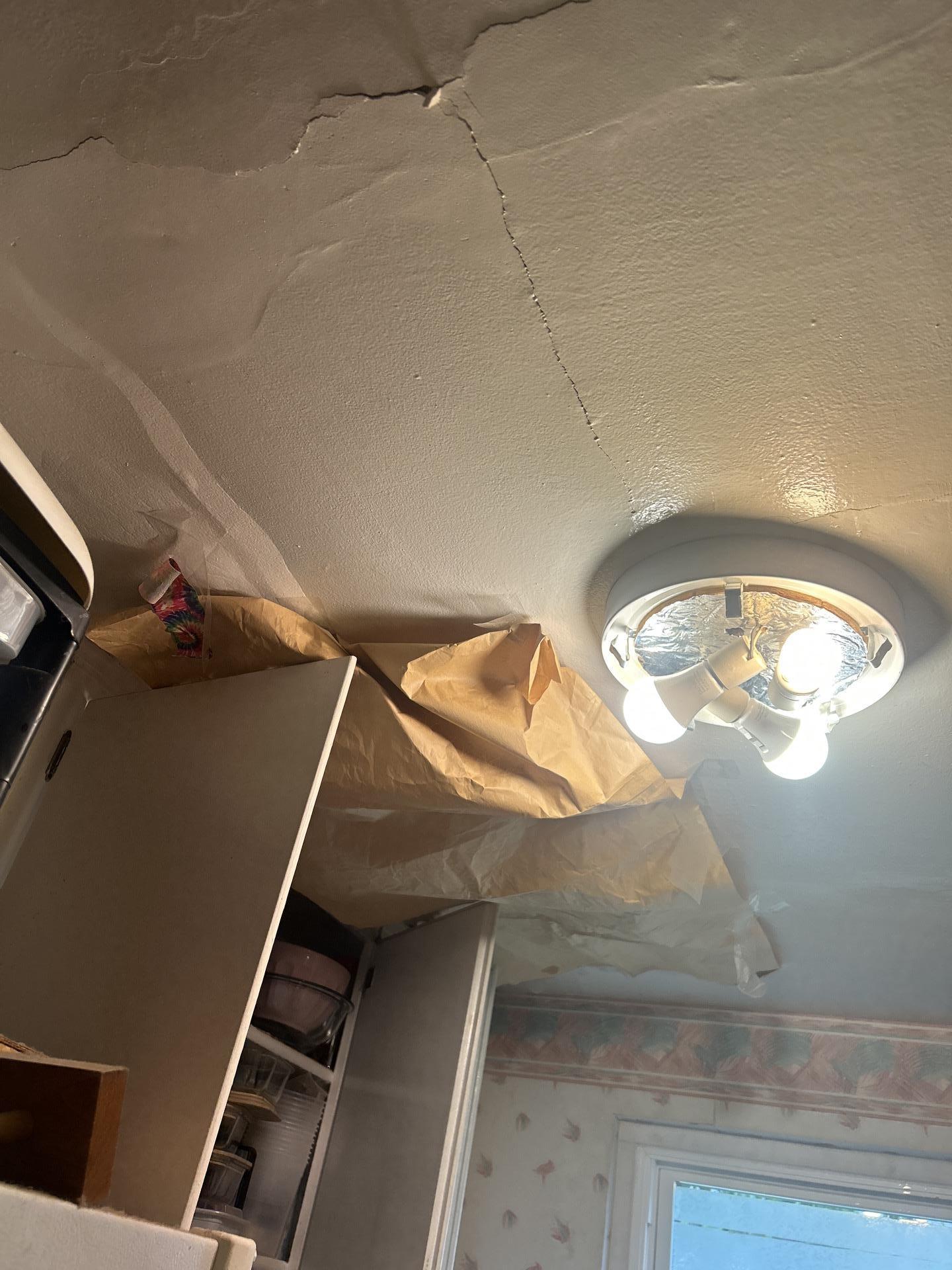
Often, these leaks remain hidden until the damage becomes visually obvious—at which point repairs become urgent and more expensive. At PDQ Restoration, we understand the urgency of fast response and the importance of preventative care to protect your home or building.
Common Causes of Roof Leaks
Understanding the root causes of roof leaks is the first step in effective prevention and mitigation:
- Damaged or Missing Shingles: Strong winds, hail, or general wear can dislodge shingles, leaving the roof deck exposed to moisture.
- Cracked Flashing or Sealant Failures: Flashing around chimneys, vents, and skylights can deteriorate over time, allowing water to seep in.
- Clogged Gutters and Downspouts: When water can’t properly drain, it can back up under shingles or pool around the roofline, eventually penetrating the structure.
- Improper Roof Installation or Aging Materials: Poor craftsmanship or outdated roofing systems often lead to vulnerabilities that worsen with age.
- Ice Dams in Winter Climates: In colder regions, melted snow can refreeze at the roof’s edge, causing water to back up under the shingles.
Signs of Roof Leak Water Damage
Prompt detection can prevent long-term damage. Look for these indicators:
- Water Stains on Ceilings or Walls: Brownish or yellowish spots often signal slow, prolonged water infiltration.
- Sagging Drywall or Bubbling Paint: These signs indicate water saturation and potential structural weakening.
- Mold Growth or Musty Smells: Mold from roof leak damage thrives in hidden damp areas, threatening both health and structural integrity.
- Dripping Water During Rainstorms: An obvious but urgent sign that the leak has breached interior barriers.
Timely Restoration Techniques
When it comes to emergency roof repair and water damage restoration, time is critical. At PDQ Restoration, we deploy proven strategies:
- Emergency Tarping and Temporary Sealing: Immediate actions to stop further water entry during or after a storm.
- Moisture Mapping and Water Extraction: Advanced equipment locates hidden moisture to ensure complete drying.
- Structural Drying and Dehumidification: Industrial-grade dehumidifiers and air movers restore optimal moisture levels.
- Mold Remediation: Certified technicians safely remove mold and apply antimicrobial treatments to prevent recurrence.
- Full Reconstruction When Needed: From insulation replacement to drywall repair, we restore damaged areas to pre-loss condition.
Prevention Tips for Homeowners
Preventing roof leaks is far less costly than fixing the damage they cause. These practical steps can help prevent roof leaks before they start:
- Regular Roof Inspections: Biannual inspections, especially after severe weather, help catch issues early.
- Cleaning and Maintaining Gutters: Keep water flowing away from your roof and foundation.
- Replacing Aging Roofing Materials: Asphalt shingles typically last 20–25 years—don’t wait for leaks to replace them.
- Attic Ventilation Checks: Proper airflow prevents moisture buildup and reduces the risk of ice dams.
- Professional Assessments After Storms: Hidden damage is common post-storm; let experts assess your roof even if no leaks are visible.
If you notice ceiling water stains, hear dripping during storms, or smell moldy odors, don’t delay. PDQ Restoration offers 24/7 emergency roof repair, water damage restoration, and storm damage cleanup services. Our certified team responds rapidly, minimizes further damage, and restores your property efficiently.