November Rain and Roof Leaks: How to Protect Your Home Before Winter
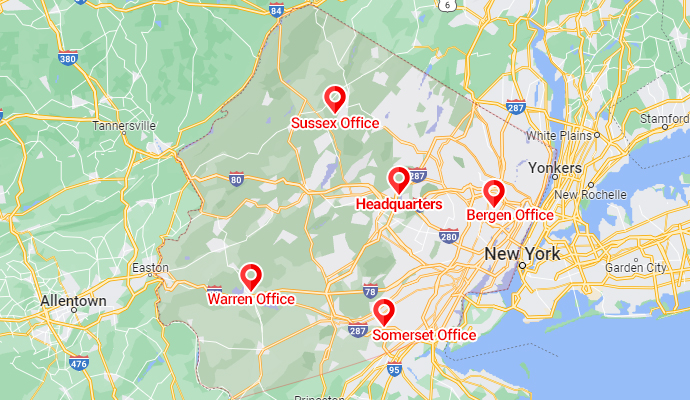
November brings colder temperatures and changing weather conditions to Northern New Jersey. As homeowners prepare for winter, fall rain can reveal roofing problems that may have gone unnoticed during the warmer months. Damaged shingles, worn flashing, clogged gutters, and deteriorating roof seals can allow water to enter your home, sometimes without producing obvious signs of a leak right away.
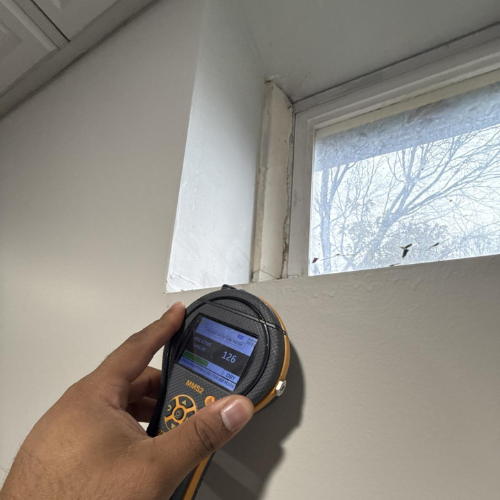
While a small roof leak might seem like a minor inconvenience, water can travel through roofing materials, insulation, ceilings, and walls before becoming visible. If moisture remains trapped inside these areas, it can contribute to material deterioration, costly repairs, and mold growth.
Understanding how to recognize roof leaks and respond promptly can help protect your home before freezing temperatures arrive.
1. Common Warning Signs of Roof Leaks After Heavy Rain
Not every roof leak begins with water dripping from the ceiling. In many cases, the earliest warning signs are subtle and easy to overlook.
After heavy November rainfall, check your home for the following:
Water stains on ceilings and walls. Yellowish, brown, or discolored patches may indicate that water is entering through the roof or traveling behind wall surfaces. Even if the stain appears dry, the surrounding materials may still contain moisture.
Peeling paint or bubbling drywall. Moisture trapped behind painted surfaces can cause paint to blister, wallpaper to separate, or drywall to soften.
Dripping water or damp spots in the attic. If your home has an accessible attic, look for damp insulation, water stains on roof decking, or moisture around chimneys, vents, and other roof penetrations.
Musty odors. A persistent earthy smell in an upstairs room, attic, or closet may indicate hidden moisture. Although odors alone cannot confirm a roof leak or mold growth, they can signal the need for further investigation.
Missing, cracked, or curling shingles. Damaged roofing materials can create openings that allow rainwater to penetrate beneath the roof's protective surface.
If you notice any of these signs after a storm, investigate the source promptly. Addressing the problem early may help prevent a localized leak from developing into more extensive water damage.
2. How Clogged Gutters and Downspouts Contribute to Water Intrusion
Gutters and downspouts play an important role in directing rainwater away from your roof, exterior walls, and foundation. However, falling leaves, twigs, and other debris can accumulate in gutters throughout autumn, preventing water from draining properly.
When gutters become clogged, rainwater may overflow along the roofline or collect near vulnerable areas. Depending on the condition of the roof and surrounding building materials, this can contribute to water intrusion, exterior deterioration, and basement moisture problems.
Before winter arrives, take time to inspect your home's drainage system.
Here are a few preventive steps:
-
Remove accumulated leaves and debris from gutters when it is safe to do so.
-
Check that downspouts are clear and securely connected.
-
Make sure downspouts direct water away from the home's foundation.
-
Look for sagging gutters, loose fasteners, or visible damage.
-
Inspect the roofline for signs of water staining or deterioration.
Avoid climbing onto a wet, icy, or damaged roof to perform inspections or repairs. If gutter cleaning requires working at a height or accessing a hazardous area, consider hiring a qualified professional.
Keeping your drainage system clear helps rainwater flow away from your home instead of allowing it to collect around vulnerable areas.
3. Where Roof Leak Water Can Hide Inside Your Home
One of the most challenging aspects of roof leak damage is that water does not always remain directly beneath the entry point.
After entering through damaged roofing materials, water can travel along roof decking, rafters, insulation, pipes, and other structural components. Gravity may carry it into ceilings and walls, where it can remain hidden until visible damage develops.
Some of the most common places to check include:
Attics and roof insulation
Insulation can absorb or retain moisture, reducing its effectiveness and potentially affecting nearby building materials. Wet insulation may not dry adequately without proper assessment and drying.
Ceilings and upper-floor walls
Water can collect above ceiling materials before eventually appearing as stains, bubbling paint, sagging drywall, or dripping water.
Exterior walls and wall cavities
Moisture entering near roof edges, dormers, or roof-to-wall connections can move into wall assemblies. Damage may extend beyond the area where the leak first occurred.
Areas around chimneys, skylights, and roof vents
Flashing and seals around roof penetrations are potential points of water entry when they deteriorate or become damaged.
Insulation and framing around eaves
Roof edges can be vulnerable to water intrusion when drainage problems, damaged materials, or gaps allow rainwater to reach the underlying structure.
A ceiling stain does not necessarily reveal the full extent of the damage. If a roof leak is suspected, a qualified professional can help identify the source, assess affected materials, and determine whether specialized moisture detection or further investigation is needed.
4. Why Small Roof Leaks Should Never Be Ignored
A slow drip may not appear urgent, especially if it occurs only during heavy rain. However, repeated exposure to moisture can gradually damage materials inside your home.
Ignoring a roof leak can lead to several problems.
Damage to ceilings and walls
Drywall, plaster, paint, and other interior finishes can deteriorate when exposed to recurring moisture. Materials may require repair or replacement if the damage becomes extensive.
Wet insulation and damaged building materials
Moisture can affect insulation and wood components, potentially reducing insulation performance and contributing to material deterioration.
Potential mold growth
Mold can develop when moisture remains in suitable indoor environments. Roof leaks that go unresolved may create conditions that support mold growth on affected materials.
More extensive repairs
A leak that initially affects a small area may spread into adjacent building materials over time. Delayed attention can make the source more difficult to identify and increase the scope of necessary repairs.
Greater complications during winter
Freezing temperatures can make roof access and repairs more difficult. Water intrusion that continues into colder weather may also complicate drying and restoration work.
The best approach is to address both the source of the leak and any resulting water damage. Repairing the roof without properly assessing wet interior materials may leave moisture behind, while drying the interior without correcting the roof problem can allow the damage to return.
5. What to Do When You Discover a Roof Leak
If you discover water entering your home during or after November rain, taking a few immediate steps can help reduce further damage.
Step 1: Protect people and avoid electrical hazards
Keep people away from sagging ceilings, unstable materials, and areas where water may contact electrical fixtures or wiring.
If water is near electrical outlets, lights, appliances, or your electrical panel, do not touch wet equipment or enter an unsafe area. Contact emergency services or a qualified electrician as appropriate.
Step 2: Protect belongings when it is safe
Move furniture, electronics, and other valuables away from the affected area if you can do so safely. Place a container beneath a minor drip only when the surrounding ceiling and floor are stable and there is no electrical hazard.
Do not stand beneath a bulging or sagging ceiling or attempt to puncture it to release trapped water.
Step 3: Document the damage
Take photographs or videos of visible water stains, dripping water, damaged belongings, and other affected areas when it is safe to do so.
If you plan to file an insurance claim, documentation may help support your discussion with your insurer. Review your policy and contact your insurance company to understand your coverage and reporting requirements.
Step 4: Arrange for the roof problem to be corrected
Contact a qualified roofing professional to identify and repair the source of the leak. Avoid climbing onto a wet, slippery, or damaged roof, particularly during cold weather.
Step 5: Assess the interior for water damage
Once the immediate safety concerns are addressed, determine whether water has affected ceilings, walls, insulation, flooring, or other materials.
Some materials may dry with appropriate measures, while others may require specialized drying, cleaning, or removal. A professional assessment can help establish the appropriate response.
6. When Is Professional Water Damage Restoration Necessary?
Not every roof leak requires extensive restoration. However, professional assistance may be appropriate when water has affected multiple areas, entered concealed spaces, saturated porous materials, or remained present long enough to create concerns about secondary damage.
Consider contacting a water damage restoration professional if you notice:
-
Water spreading across ceilings, walls, or floors.
-
Wet insulation or suspected moisture inside wall cavities.
-
Persistent dampness after the roof leak has been repaired.
-
Ceiling materials that are sagging, soft, or visibly deteriorating.
-
Musty odors or suspected mold growth following water intrusion.
-
Recurring leaks or damage that appears more extensive than the visible water stains suggest.
Depending on the findings, restoration may involve moisture assessment, water extraction where needed, professional drying, monitoring, cleaning, and the removal of materials that cannot be adequately restored.
The appropriate approach depends on the source of the water, how long materials have been wet, the types of materials affected, and the extent of the damage.
It is important to remember that stopping the leak is only part of the solution. A complete response should also address moisture that has already entered the home.
7. Prepare Your Home Before Winter Arrives
November is an ideal time to check your home's exterior and address maintenance concerns before temperatures drop further.
Use this simple checklist to help prepare your property:
-
Inspect ceilings and upper-floor walls for new stains or discoloration.
-
Check the attic for visible signs of water intrusion, if it is safe to access.
-
Arrange for damaged or deteriorating roofing materials to be repaired.
-
Clean gutters and confirm that downspouts drain properly.
-
Inspect the areas around chimneys, skylights, vents, and other roof penetrations.
-
Make sure water drains away from your home's foundation.
-
Address plumbing leaks, roof leaks, and other moisture problems promptly.
-
Keep contact information for qualified roofing and restoration professionals readily available.
Regular inspections cannot prevent every leak, but they can help you recognize potential problems before they develop into more extensive damage.
Protect Your Home Before a Small Leak Becomes a Bigger Problem
November rain can reveal weaknesses in your home's roofing and drainage systems just as winter approaches. A small stain on the ceiling or a damp patch in the attic may be an early warning sign that water is reaching areas it should not.
By inspecting vulnerable areas, maintaining gutters, repairing roof damage, and responding promptly to water intrusion, you can reduce the risk of more extensive property damage.
If a roof leak has already affected your home's interior, addressing the source and assessing the resulting moisture are both important steps toward recovery.
PDQ Fire & Water Damage Restoration is here to help when water damage affects your property. If you suspect hidden moisture or discover water damage following a roof leak, contact our team to discuss your situation and determine the appropriate next steps.
Don't wait for a small leak to become a larger restoration problem.
Need help with water damage? Visit our Water Damage Restoration page to learn more about our services, or contact PDQ through our Contact Us page.
PDQ Fire & Water Damage Restoration — Helping Northern New Jersey homeowners recover from unexpected property damage.