Mold Remediation After Water Damage: Process, Risks, and Professional Solutions
Mold growth is one of the most common and serious consequences of untreated water damage. Whether caused by a burst pipe, roof leak, or prolonged humidity, excess moisture creates the ideal environment for mold colonies to develop and spread throughout a property.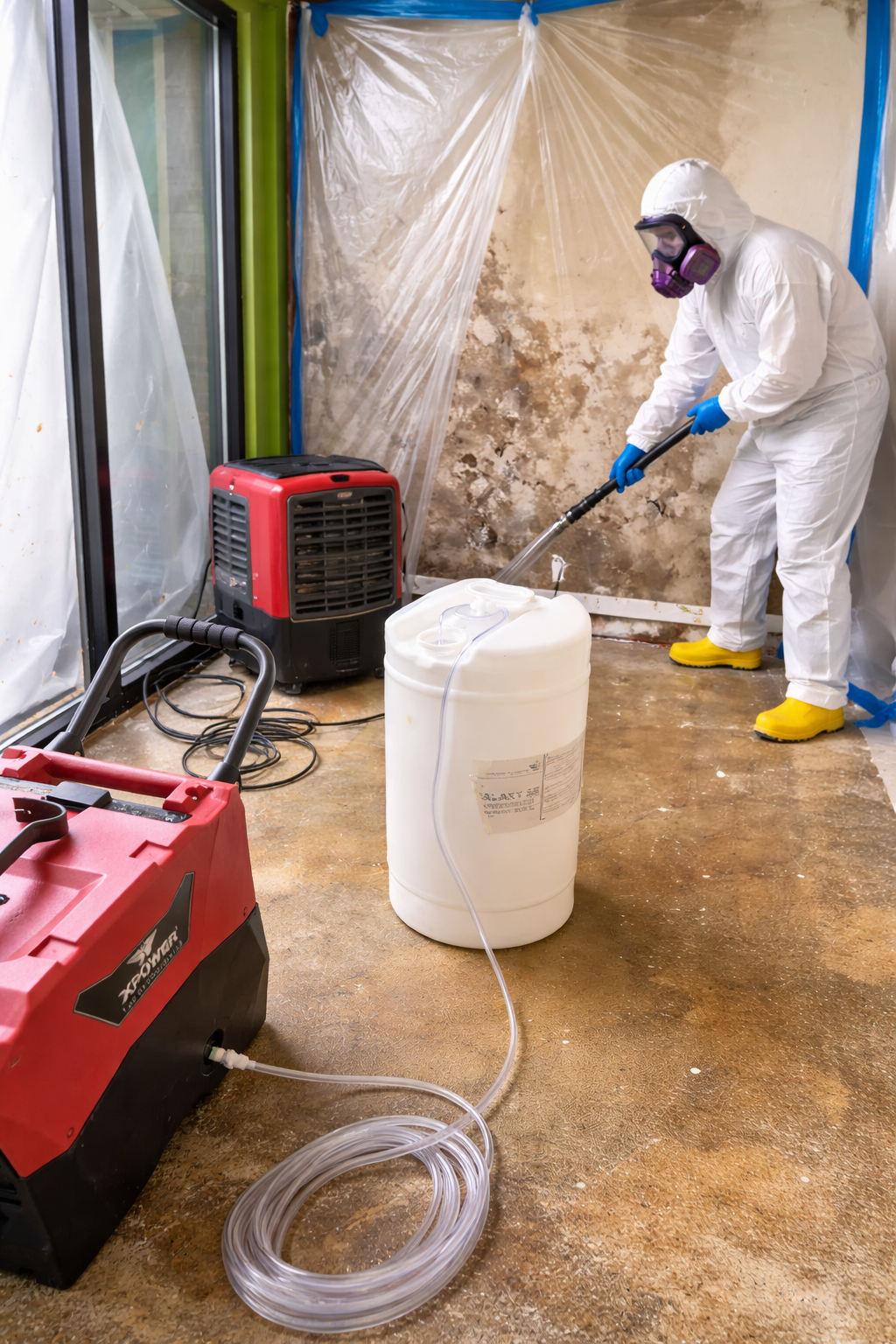
Once mold begins to grow, it can impact structural materials, indoor air quality, and occupant health. Professional mold remediation is essential to safely remove contamination, address the underlying moisture issue, and restore a clean, stable environment.
The Importance of Immediate Mold Remediation
Mold can begin developing within 24–48 hours after water exposure. What starts as a small moisture issue can quickly escalate into widespread contamination affecting walls, ceilings, insulation, and flooring systems.
If not properly addressed, mold can lead to:
- Structural deterioration of wood and drywall
- Persistent odors and indoor air quality issues
- Health concerns such as allergies and respiratory irritation
- Increased restoration costs due to spreading contamination
Immediate action is critical to contain and eliminate mold before it worsens.
Step-by-Step Breakdown of the Mold Remediation Process
Initial Inspection and Moisture Assessment
Certified technicians begin by identifying the source of moisture and assessing the extent of mold growth. This includes both visible contamination and hidden moisture within structural materials.
Containment of Affected Areas
Containment barriers and negative air pressure systems are set up to isolate the contaminated space. This prevents mold spores from spreading to unaffected areas during remediation.
Removal of Contaminated Materials
Porous materials that cannot be effectively cleaned—such as drywall, insulation, and carpeting—are carefully removed and disposed of according to industry guidelines.
HEPA Vacuuming and Cleaning
All surfaces within the containment area are cleaned using HEPA-filtered vacuums and specialized techniques to capture fine mold spores and debris.
Antimicrobial Treatment
Professional antimicrobial solutions are applied to eliminate remaining mold spores and inhibit future growth on structural surfaces.
Advanced Equipment Used in Mold Remediation
Effective mold removal requires specialized tools designed to control contamination and ensure thorough cleaning, including:
HEPA Air Scrubbers: Filter airborne spores and improve air quality.
Negative Air Machines: Maintain controlled airflow and containment.
Commercial Dehumidifiers: Reduce moisture levels to prevent regrowth.
Moisture Meters: Detect hidden moisture in building materials.
Infrared Cameras: Identify moisture behind walls and ceilings.
This equipment ensures that both visible and hidden mold issues are properly addressed.
Standards and Best Practices
Professional mold remediation should follow ANSI/IICRC S520 standards. These guidelines ensure that technicians:
- Identify and correct the moisture source
- Use proper containment and filtration methods
- Remove contaminated materials safely
- Apply antimicrobial treatments when necessary
- Document all remediation procedures
Following these standards ensures safe, effective, and compliant mold removal.
Impact on Insurance and Restoration Costs
Mold remediation may be covered by insurance if it results from a sudden and accidental water loss. Proper documentation—including inspection reports, moisture readings, and remediation logs—is essential to support claims.
Acting quickly reduces the spread of mold and limits the amount of material that must be removed and replaced, significantly lowering restoration costs.
Call the Experts for Mold Remediation
If you notice musty odors, discoloration on surfaces, or signs of moisture in your property, don’t delay. Mold can spread quickly and become more difficult to remediate over time.
PDQ Restoration’s licensed, IICRC-certified team provides expert mold inspection and remediation services. Using advanced equipment and proven protocols, we eliminate mold at the source and restore safe indoor conditions.
Contact PDQ Restoration today for professional mold remediation and protect your property from long-term damage.