Mold Damage from Hidden Moisture: Inspection, Containment, and Remediation Process
Mold damage often begins with a hidden moisture problem—slow leaks, elevated humidity, or undetected water intrusion that creates the perfect environment for microbial growth. In many properties, mold develops behind walls, beneath flooring, or within structural components long before visible signs appear.
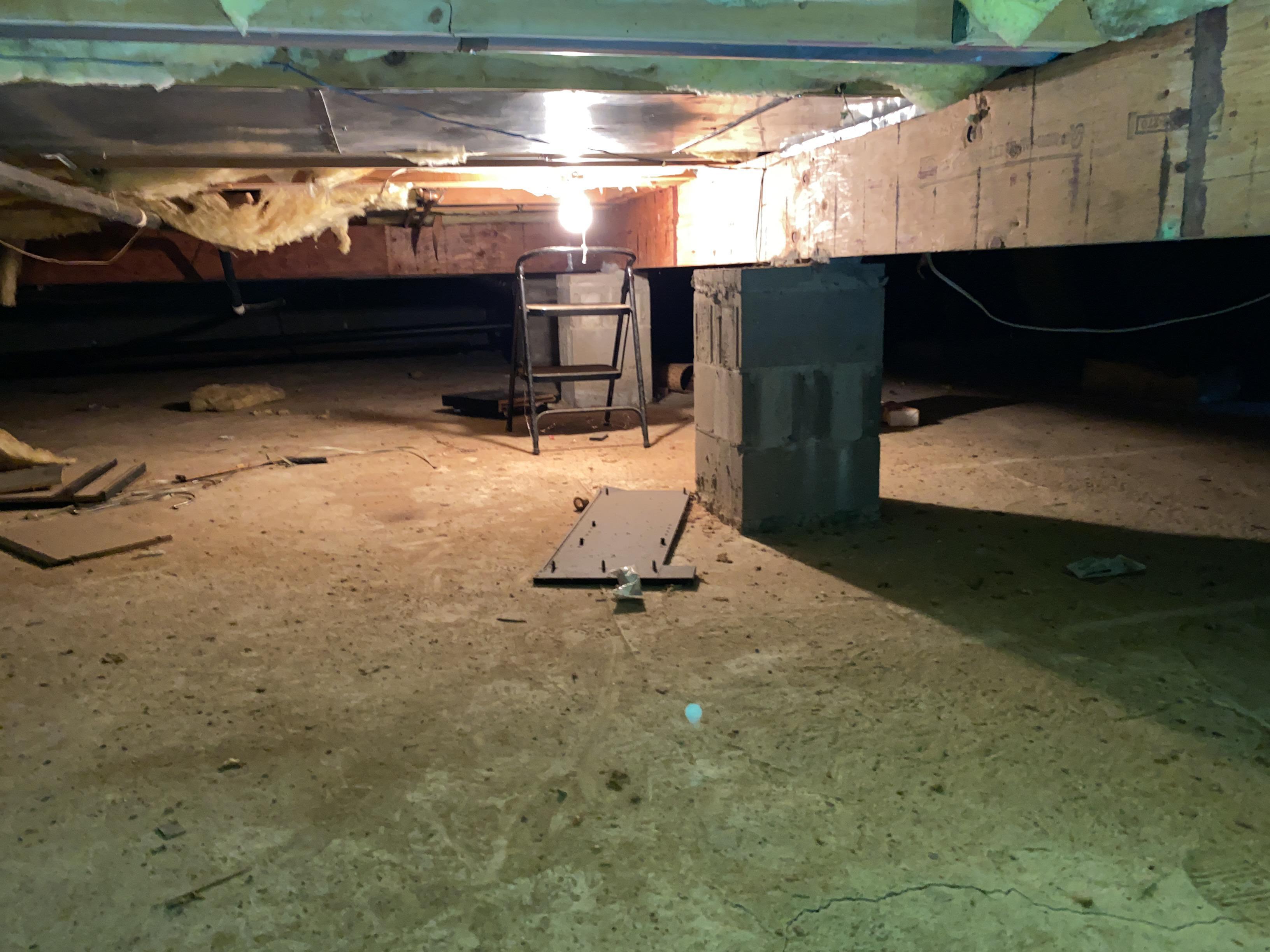
Without proper inspection and remediation, mold contamination can spread rapidly, affecting indoor air quality, structural materials, and occupant health. Professional mold remediation involves a controlled, multi-step process designed to eliminate contamination at the source while restoring safe environmental conditions.
The Importance of Professional Mold Remediation
Mold is not just a surface issue—it is a biological contaminant that can penetrate porous materials and release airborne spores. Improper cleanup methods, such as wiping or painting over affected areas, can worsen the problem by spreading contamination.
When mold growth is caused by prolonged moisture exposure, it typically affects:
- Structural wood framing
- Concrete and masonry surfaces
- Drywall and insulation
- Flooring systems and subfloors
Without addressing both the mold and the underlying moisture source, regrowth is highly likely. Professional remediation ensures complete removal, proper containment, and long-term prevention.
Step-by-Step Breakdown of the Mold Remediation Process
Initial Mold Inspection and Assessment
Certified technicians begin with a detailed inspection to identify visible and hidden mold growth. Moisture sources, humidity levels, and affected materials are evaluated to determine the scope of contamination.
Containment Setup
Containment barriers and negative air pressure systems are established to isolate the affected area. This prevents mold spores from spreading to unaffected parts of the property during remediation.
Removal of Contaminated Materials
Porous materials that cannot be salvaged—such as heavily contaminated drywall or insulation—are safely removed and disposed of following industry guidelines.
HEPA Vacuuming and Surface Cleaning
All impacted surfaces are thoroughly cleaned using HEPA-filtered vacuums to capture microscopic spores. This step is critical for reducing airborne contamination.
Antimicrobial Treatment and Disinfection
Professional-grade antimicrobial solutions are applied to eliminate remaining mold spores and inhibit future growth. A full disinfecting service ensures that all surfaces are properly sanitized.
Advanced Equipment Used in Mold Remediation
Effective mold remediation requires specialized tools designed to control contamination and improve indoor air quality, including:
Air Scrubbers with HEPA Filtration: Capture airborne mold spores and contaminants.
Negative Air Machines: Maintain controlled airflow to prevent cross-contamination.
Dehumidifiers: Reduce moisture levels that support mold growth.
Moisture Meters: Detect hidden moisture in structural materials.
Infrared Cameras: Identify moisture intrusion behind walls and surfaces.
This equipment allows restoration professionals to address both visible and hidden mold contamination with precision.
Standards and Best Practices
Professional mold remediation should follow ANSI/IICRC S520 guidelines for mold remediation. These standards ensure that technicians:
- Establish proper containment and engineering controls
- Remove contaminated materials safely
- Use HEPA filtration for air and surface cleaning
- Address the moisture source causing mold growth
- Document all remediation procedures and results
Adhering to these standards ensures safe, thorough, and compliant mold removal.
Impact on Insurance and Restoration Costs
Mold damage caused by a covered water loss—such as a slow leak or hidden intrusion—may be eligible for insurance coverage, depending on the policy. Proper documentation is essential to support claims and demonstrate the extent of contamination.
Detailed reports, including moisture mapping, remediation logs, and post-remediation verification, help streamline the claims process and confirm that the property has been restored to safe conditions.
Early intervention significantly reduces costs. The longer mold is allowed to grow, the more materials become affected, increasing both remediation time and expense.
Call the Experts for Mold Inspection and Remediation
If you notice musty odors, visible mold growth, or signs of prolonged moisture in your property, immediate action is critical. Mold contamination will not resolve on its own and can worsen quickly without professional intervention.
PDQ Restoration’s licensed, IICRC-certified team provides comprehensive mold inspection and remediation services. Using advanced containment methods, HEPA filtration, and industry-approved protocols, we eliminate mold at the source and restore healthy indoor environments.
Contact PDQ Restoration today for expert mold damage restoration and ensure your property is safe, clean, and fully remediated.