HVAC Systems and Indoor Mold: What Property Owners Need to Know
As temperatures rise during the summer months, HVAC systems work harder to keep homes and businesses comfortable. While these systems play an important role in controlling indoor humidity, they can also contribute to mold problems when moisture accumulates within ductwork, air handlers, or condensate lines.
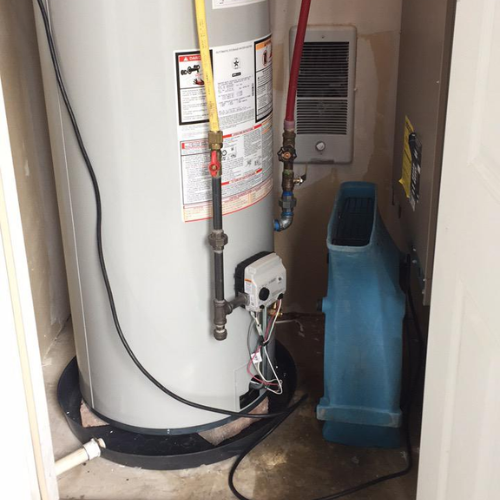
Mold growth inside HVAC systems can spread spores throughout a property, affecting indoor air quality and potentially impacting occupant health.
Without proper HVAC maintenance, property owners risk:
• Mold growth inside ductwork and air handling units
• Musty odors circulating throughout the building
• Reduced indoor air quality
• Increased allergy and respiratory symptoms
• Decreased HVAC efficiency and performance
Understanding the relationship between HVAC systems and mold can help prevent costly remediation and improve indoor comfort.
How Mold Develops in HVAC Systems
HVAC systems naturally generate condensation during operation. When moisture combines with dust and organic debris, mold can begin to develop.
Common causes include:
Condensation buildup on coils
Clogged condensate drain lines
Dirty air filters
High indoor humidity
Poor system maintenance
Improper airflow
If left unchecked, mold can spread through the system and into occupied spaces.
Signs of Mold in Your HVAC System
Property owners should be aware of warning signs such as:
Musty odors when the system operates
Visible mold near vents or registers
Increased allergy symptoms indoors
Excessive humidity despite air conditioning
Discoloration around vents
Reduced airflow from registers
Early detection can prevent widespread contamination.
Areas Most Commonly Affected
Evaporator Coils
Condensation frequently forms on cooling coils, creating an environment where mold can grow.
Condensate Drain Pans
Standing water caused by clogged drains can support microbial growth.
Ductwork
Dust accumulation and moisture intrusion can create ideal conditions for mold inside ducts.
Air Filters
Dirty filters can trap moisture and organic particles that support mold development.
Professional Inspection and Remediation
When mold contamination is suspected, professionals may perform:
Visual inspections
Moisture testing
Air quality assessments
Thermal imaging evaluations
HVAC system inspections
Depending on findings, remediation may include cleaning contaminated components, addressing moisture sources, and improving ventilation.
Preventive Maintenance Tips
Property owners can reduce mold risks by:
Changing filters regularly
Scheduling annual HVAC maintenance
Keeping condensate drains clear
Maintaining indoor humidity below 50%
Addressing water leaks promptly
Ensuring proper ventilation throughout the property
Routine maintenance is one of the most effective ways to prevent mold growth.
Call the Experts for HVAC Mold Concerns
If you notice musty odors, increased humidity, or signs of mold near your HVAC system, professional evaluation can help identify and resolve the issue before it spreads.
PDQ Restoration's licensed, IICRC-certified team provides mold inspections, remediation services, and moisture detection solutions to help maintain healthy indoor environments year-round.
Contact PDQ Restoration today for professional mold inspection and remediation services you can trust.