HVAC Discharge Line Leaks: Causes and Water Damage Mitigation Strategies
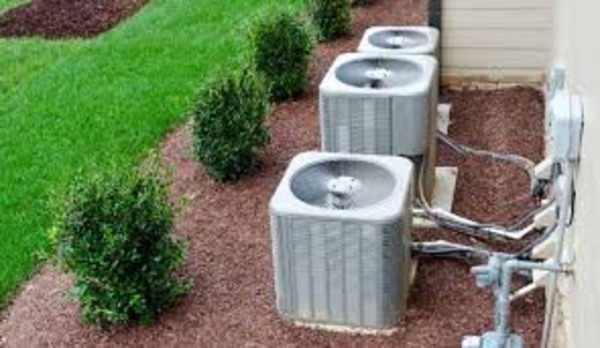
Your HVAC system plays a critical role in maintaining indoor comfort, but a hidden risk often goes unnoticed—HVAC discharge line leaks. The discharge or condensate line drains moisture produced during cooling, and when it clogs or breaks, it can cause significant HVAC water damage inside your home or property.
Left unaddressed, even a small leak can lead to mold, structural damage, and costly repairs. At PDQ Restoration, we’ve seen firsthand how quickly a leak can escalate. Early detection and fast professional mitigation are key to protecting your home and health.
Common Causes of HVAC Discharge Line Leaks
Several issues can lead to a leak in your HVAC system’s discharge line. Knowing the most common causes can help you stay ahead of potential problems:
- Clogged Condensate Drains
Dirt, dust, or algae buildup in the condensate drain line can create blockages. When the line is clogged, water backs up and overflows, potentially soaking nearby ceilings, walls, or floors.
- Improper Installation or Maintenance
If the drain line isn’t installed with the correct slope or seal, water may not drain properly. Regular maintenance ensures the system works as designed and helps catch installation issues early.
- Frozen Coils or Dirty Filters
A dirty air filter can cause evaporator coils to freeze. When the ice melts, the sudden surge of water can overwhelm the drain system—leading to overflow and leaks.
- Broken or Disconnected Drain Lines
Over time, drain lines can crack, disconnect, or shift out of place due to wear, vibrations, or damage. This causes water to spill directly into your home rather than exiting safely.
Signs of a Leak Homeowners Should Watch For
Being able to spot early warning signs can save you thousands in water damage restoration costs. Here’s what to look for:
- Water pooling near the HVAC unit
- Musty odors or visible mold near vents
- Stained ceilings or walls
- Increased indoor humidity or dampness
These are often signs of a HVAC discharge line leak that needs immediate attention.
Potential Water Damage Consequences
Unchecked leaks can lead to severe damage in just days:
- Structural Damage: Moisture can seep into drywall, insulation, subfloors, and framing.
- Mold Growth: Mold from HVAC leaks can spread quickly, requiring professional remediation.
- Poor Air Quality: Excess humidity and mold spores contribute to respiratory problems.
- High Repair Costs: What starts as a minor leak can quickly escalate to major restoration needs.
Mitigation and Restoration Strategies
At PDQ Restoration, our IICRC-certified team specializes in fast, effective response to HVAC-related water damage.
✅ Immediate Shutoff and Leak Assessment
Turn off your HVAC system and call our emergency water cleanup team. We assess the full extent of the damage to act fast.
✅ Water Extraction and Structural Drying
We use industrial-grade equipment to remove standing water, dehumidify the space, and dry affected materials completely.
✅ Mold Remediation
If mold is detected, our team safely removes it and treats affected areas to prevent future growth.
✅ Preventative Maintenance Tips
- Change filters regularly
- Flush the condensate line annually
- Schedule professional HVAC inspections
- Install overflow shutoff switches
These simple steps can help prevent HVAC water leaks and protect your investment.
If you suspect an HVAC leak or see signs of water damage, act fast. The sooner you respond, the less damage you’ll face.
Contact PDQ Restoration today for 24/7 emergency help and expert water damage restoration. We’ll restore your property quickly and safely—with minimal disruption.