How to Prepare Your Home for Hurricane and Tropical Storm Season
August marks the beginning of the most active period of Atlantic hurricane season. While New Jersey may not experience hurricanes as frequently as coastal southern states, tropical storms, heavy rainfall, high winds, and flash flooding can still cause significant property damage throughout the region.
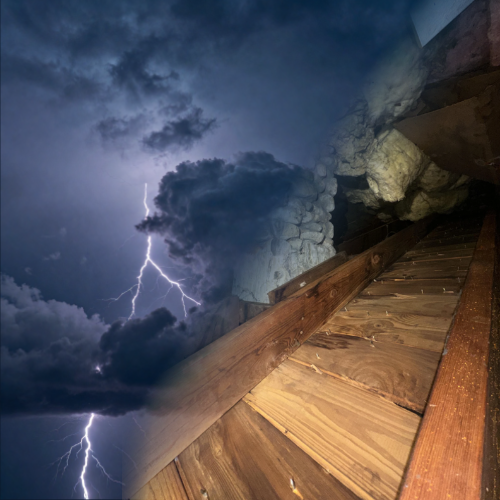
Preparing your home before severe weather arrives can help minimize water intrusion, reduce restoration costs, and protect your family's safety. Even a small roof leak or clogged gutter can allow rainwater to enter your home, leading to hidden moisture, structural damage, and mold growth.
Without proper preparation, homeowners risk:
- Roof leaks and ceiling water damage
- Flooded basements and crawl spaces
- Water intrusion around windows and doors
- Mold growth from trapped moisture
- Damage to flooring, drywall, and insulation
- Expensive restoration and reconstruction costs
Taking preventative steps before storm season can significantly reduce the impact of severe weather on your property.
Why August Brings Increased Storm Risks
August is historically one of the busiest months for tropical storm activity in the Atlantic. Heavy rain, strong winds, and saturated ground conditions increase the likelihood of water damage across residential and commercial properties.
Even storms that are not classified as hurricanes can produce:
- Wind-driven rain
- Flash flooding
- Roof damage
- Fallen tree limbs
- Power outages affecting sump pumps
- Overflowing gutters and drainage systems
These conditions create multiple opportunities for water to enter a home and damage structural materials.
Common Areas Vulnerable to Water Intrusion
Storm water rarely enters through just one location. During heavy rainfall, moisture can infiltrate several vulnerable areas.
Roofing Systems
Missing shingles, damaged flashing, or aging roofing materials can allow water to penetrate attic spaces and ceilings.
Windows and Doors
Worn weatherstripping and deteriorated seals may allow wind-driven rain to enter around frames.
Basements
Foundation cracks, poor grading, and sump pump failures often result in basement flooding during heavy storms.
Gutters and Downspouts
Clogged gutters can overflow, directing water toward the home's foundation instead of safely away from the structure.
Crawl Spaces
Poor drainage and standing water can increase humidity levels and create conditions favorable for mold growth.
Routine inspections before storm season can help identify these issues before severe weather arrives.
Preparing Your Roof, Gutters, and Windows
One of the most effective ways to reduce storm-related water damage is through routine exterior maintenance.
Homeowners should:
- Inspect the roof for damaged or missing shingles.
- Check flashing around chimneys, skylights, and vents.
- Clean gutters and downspouts to ensure proper drainage.
- Trim tree branches that could damage the roof during high winds.
- Inspect windows and doors for deteriorated caulking or weatherstripping.
- Repair visible cracks around exterior openings.
Addressing these maintenance items before a storm can help prevent costly interior water damage.
Protecting Your Basement from Flooding
Basements are among the first areas affected during heavy rainfall.
To reduce flood risks:
- Test your sump pump before storm season.
- Install a battery backup for sump pumps.
- Inspect foundation walls for cracks.
- Keep basement drains free of debris.
- Store valuable belongings off the floor.
- Consider installing a backwater valve if your property is prone to sewer backups.
Even a small amount of water entering a basement can quickly saturate drywall, flooring, and insulation.
Real-World Example: Why Immediate Water Mitigation Matters
Following severe storms, PDQ Fire & Water Damage Restoration frequently responds to homes where rainwater has entered through damaged roofing systems, window leaks, or flooded basements.
During these projects, technicians perform comprehensive moisture inspections using thermal imaging cameras and moisture meters to identify hidden water intrusion behind walls, beneath flooring, and inside structural cavities. Water extraction is completed immediately, followed by strategic placement of commercial air movers and dehumidifiers to begin structural drying.
Daily moisture monitoring ensures affected materials reach acceptable drying levels, while antimicrobial treatments help reduce the risk of mold growth caused by prolonged moisture exposure.
These projects demonstrate that storm-related water damage often extends far beyond visible wet areas. Professional mitigation helps prevent secondary damage, protects structural materials, and supports insurance claim documentation.
Emergency Restoration Planning
Preparing for storm season also means having a restoration plan in place before disaster strikes.
Consider the following:
- Know where your home's main water shutoff valve is located.
- Keep emergency contact information readily available.
- Document valuable belongings with photos.
- Review your homeowner's insurance coverage.
- Store important documents in waterproof containers.
- Save the contact information of a trusted restoration company.
Quick action after a storm often reduces the overall extent of damage.
What to Do Immediately After a Storm
Once severe weather has passed, homeowners should inspect their property carefully.
If it is safe to do so:
- Look for missing shingles or roof damage.
- Check ceilings and walls for water stains.
- Inspect windows and doors for leaks.
- Examine the basement for standing water.
- Listen for unusual dripping sounds inside walls.
- Avoid entering flooded areas where electrical hazards may exist.
If water intrusion is suspected, contacting a professional restoration company immediately can help prevent mold growth and additional structural damage.
Why Fast Response Is Critical
Water damage does not stop once the rain ends.
Moisture trapped inside walls, insulation, flooring, and structural materials can continue spreading long after surfaces appear dry. Professional restoration teams use advanced moisture detection equipment to locate hidden water and verify complete drying before repairs begin.
Prompt mitigation helps:
- Minimize structural damage
- Prevent mold growth
- Improve indoor air quality
- Reduce restoration costs
- Support insurance claims with proper documentation
The sooner mitigation begins, the greater the opportunity to preserve your property.
Call the Experts for Storm Damage Restoration
If your home experiences roof leaks, flooding, or water intrusion during hurricane or tropical storm season, immediate professional mitigation can help prevent long-term damage.
PDQ Restoration's licensed, IICRC-certified team provides emergency water extraction, moisture detection, structural drying, mold prevention, and complete storm damage restoration services. Using advanced equipment and proven restoration techniques, we help homeowners recover quickly and safely after severe weather.
Contact PDQ Restoration today for professional storm damage restoration services you can trust.