How to Check Your Home for Hidden Water Damage After a Burst Pipe
After a burst pipe, check the bottom of nearby walls, the edges of the flooring, and the ceiling in the room below.
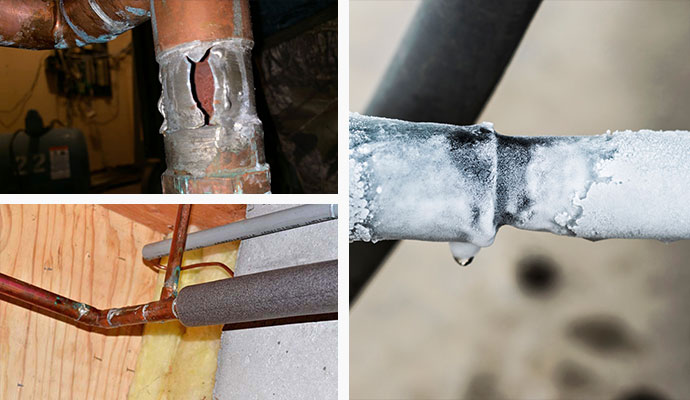
Swollen baseboards, bubbling paint, raised floorboard edges, and new ceiling stains are common signs of hidden water damage after a burst pipe. Even when the surface feels dry, moisture can remain behind drywall or beneath finished flooring.
Where should you check first?
Once the leak has stopped and the area is safe, start in the room where the pipe burst. Follow the path water could have taken along a wall, through a doorway, or into the room below. Check inside nearby closets and sink cabinets, on the other side of shared walls, and where flooring meets a doorway threshold. Take photos of new stains or swelling so you can show a restoration technician what you found.
If water reached outlets, appliances, or the electrical panel, stay out of the affected area until an electrician has assessed it. Keep clear of any sagging ceiling and check the room below only from a safe location.
How to tell if water got behind drywall after a pipe leak
Start where the drywall meets the baseboard. If the pipe broke inside a wall, check both sides of that wall and the area below the break. Look for these changes.
- Bubbling, peeling, or discolored paint near the floor or around the leak.
- Swollen baseboards or trim pulling away from the wall.
- Warped drywall or seams that have started to separate.
- A lingering musty smell near a wall, closet, or cabinet after the visible water is gone.
A restoration technician can take moisture readings along the affected wall and compare them with a dry section made of the same material. Intact drywall affected by clean water may be able to dry in place. Swelling, damaged seams, or wet insulation can change the drying plan.
How to tell if water is trapped under flooring
Look along room edges, at transitions between flooring types, and just beyond the area where you saw standing water. What you notice depends on the flooring material.
| Flooring | What to look for |
|---|---|
| Hardwood | Board edges that rise higher than the centers, a change called cupping. |
| Laminate or vinyl plank | Raised edges, swollen seams, or water visible at a joint. |
| Carpet | Dampness that returns after the surface feels dry, or a musty smell that lingers. The padding underneath may still be wet. |
| Tile | Dampness along the perimeter or at a doorway threshold. The surface can feel dry while the layer underneath remains damp. |
If you can safely see the underside of the floor from an unfinished basement, look for fresh staining or dampness beneath the affected room. A technician can check the subfloor, the structural layer beneath the finished floor, before deciding how to dry the area.
What hidden water damage looked like in Chester, NJ
At a home in Chester, a pipe burst inside an exterior wall. Water spread through the wall cavity and beneath the finished flooring, reaching the plywood subfloor and nearby framing. When a pipe breaks inside a wall, check the flooring next to it even if most of the visible water appeared elsewhere.
When should you call for a moisture inspection?
Arrange an inspection promptly if the pipe burst inside a wall or ceiling, water spread into another room, or you notice swelling, a musty smell, or a new ceiling stain. If you came home to the leak and don’t know how long it ran, have the surrounding materials checked even if they look dry. The EPA recommends drying water-damaged areas and items within 24 to 48 hours to help prevent mold growth.
Need help checking for hidden water damage after a burst pipe in Northern New Jersey? Call PDQ Fire & Water Damage Restoration at 973-447-3363 for a moisture assessment and structural drying.