Hidden Water Damage After a Storm: Where Moisture Can Hide
A home can look dry after a storm while moisture remains hidden inside walls, flooring, ceilings, and other structural materials.
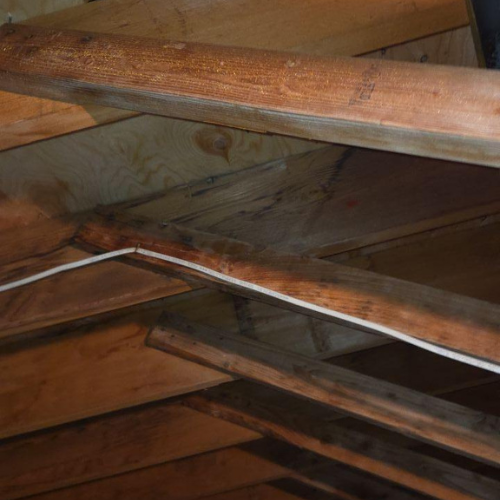
This hidden moisture is one of the biggest concerns following storm-related water intrusion. Without proper detection and drying, moisture can contribute to mold growth, odors, and long-term damage.
Where Storm Water Can Hide
Water can migrate far beyond the point where it entered.
Common areas include:
Behind Walls
Water can move through drywall and become trapped inside wall cavities.
Under Flooring
Carpet padding, wood flooring, and subflooring can retain moisture even after the surface appears dry.
Inside Ceilings
Roof leaks can allow water to collect above ceilings and around insulation.
Around Windows
Rainwater can enter through damaged seals and travel into surrounding drywall and framing.
In Basements
Water can remain beneath flooring, behind finished walls, and around foundation areas.
Why Hidden Moisture Is Dangerous
Moisture that remains trapped can lead to:
- Mold growth
- Musty odors
- Damaged drywall
- Deteriorated insulation
- Warped flooring
- Wood damage
- Higher restoration costs
The longer moisture remains, the more difficult the restoration process can become.
How Professionals Find Hidden Moisture
PDQ Restoration technicians use specialized equipment to identify areas that may not be visible during a standard inspection.
Moisture Meters
These measure moisture levels within building materials.
Thermal Imaging Cameras
Infrared technology can help identify temperature differences associated with hidden moisture.
Humidity Monitoring
Environmental readings help technicians determine whether conditions are supporting proper drying.
The Drying Process
Once affected areas have been identified, technicians can develop a targeted drying plan.
Depending on the loss, this may involve:
- Water extraction
- Removal of saturated materials
- Air movers
- Commercial dehumidifiers
- Controlled ventilation
- Daily moisture monitoring
Equipment is adjusted as drying progresses to ensure affected materials are properly addressed.
Why Complete Drying Matters
A property should not be considered fully restored simply because visible water is gone.
Technicians verify moisture levels before completing the mitigation process.
This helps reduce the risk of secondary damage and provides documentation showing that the drying process was properly completed.
Call the Experts for Storm Water Damage
If your home has experienced water intrusion after a storm, professional moisture detection can help uncover damage you cannot see.
PDQ Restoration's licensed, IICRC-certified team provides advanced moisture detection, water extraction, structural drying, and storm damage restoration services.
Contact PDQ Restoration today for professional help identifying and removing hidden storm-related moisture.