Hidden mold can grow behind walls and ceilings due to trapped moisture.
Learn how it’s detected, the risks it poses, and how professional remediation removes it safely. Mold growth is not always visible. In many cases, mold develops behind walls, above ceilings, or within structural cavities where moisture remains trapped. These hidden conditions often result from slow leaks, roof issues, plumbing failures, or elevated indoor humidity.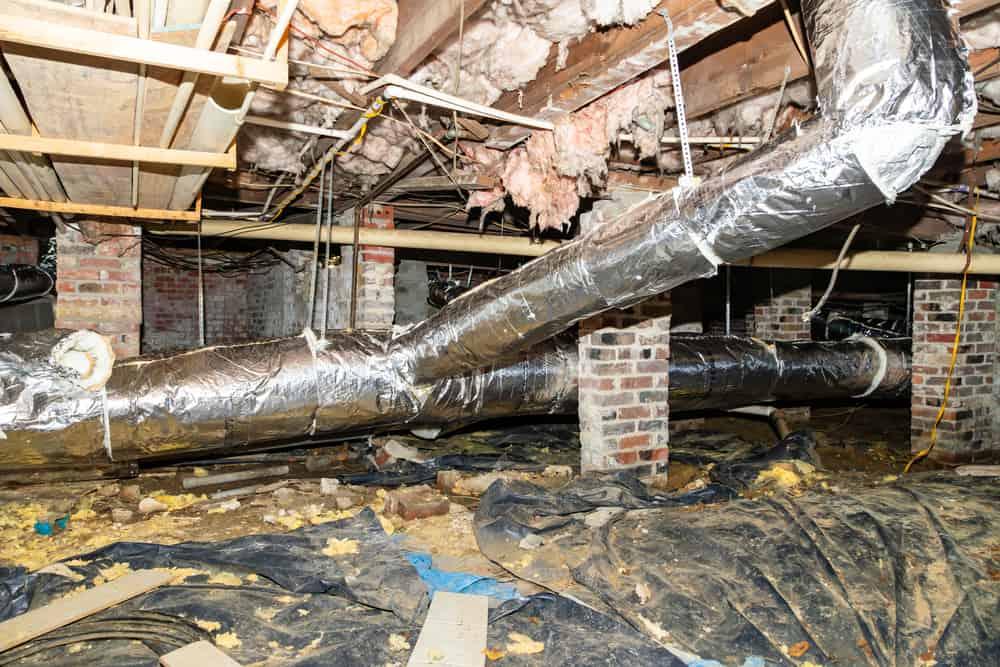
Because the damage is concealed, mold can spread extensively before being discovered—impacting structural integrity, indoor air quality, and occupant health. Professional mold remediation is essential to locate, contain, and eliminate hidden contamination safely and effectively.
The Importance of Identifying Hidden Mold Early
Hidden mold can go undetected for weeks or even months, allowing contamination to spread throughout the structure. Unlike visible mold, concealed growth often presents subtle warning signs such as musty odors or unexplained health symptoms.
If not addressed, hidden mold can lead to:
- Structural damage to framing and drywall
- Persistent indoor air quality issues
- Mold spores circulating through HVAC systems
- Increased remediation costs due to widespread contamination
Early detection minimizes damage and prevents more complex restoration work.
Step-by-Step Breakdown of the Mold Remediation Process
Inspection and Moisture Detection
Technicians use moisture meters and infrared cameras to locate hidden moisture behind walls and ceilings. Identifying the source of moisture is critical to stopping mold growth.
Controlled Demolition
Access points are carefully created in affected areas to expose hidden mold. This allows technicians to assess the full extent of contamination within wall cavities and ceiling spaces.
Containment Setup
Containment barriers and negative air pressure systems are installed to prevent mold spores from spreading during the remediation process.
Removal of Contaminated Materials
Affected drywall, insulation, and other porous materials are safely removed and disposed of in accordance with industry standards.
HEPA Cleaning and Antimicrobial Treatment
All exposed structural components are cleaned using HEPA filtration and treated with antimicrobial solutions to eliminate remaining spores and prevent regrowth.
Advanced Equipment Used for Hidden Mold Detection and Removal
Locating and remediating hidden mold requires specialized tools, including:
Infrared Cameras: Detect temperature differences that indicate moisture behind surfaces.
Moisture Meters: Measure moisture levels in drywall, wood, and ceilings.
HEPA Air Scrubbers: Capture airborne mold spores during remediation.
Negative Air Machines: Maintain containment and prevent cross-contamination.
Dehumidifiers: Remove excess moisture from the environment.
This equipment ensures accurate detection and thorough remediation of concealed mold issues.
Standards and Best Practices
Professional mold remediation follows ANSI/IICRC S520 guidelines to ensure safe and effective results. These standards require technicians to:
- Identify and eliminate the moisture source
- Use proper containment and engineering controls
- Remove unsalvageable materials
- Perform HEPA filtration and surface cleaning
- Document all findings and remediation steps
Adhering to these standards ensures that mold is fully addressed—not just temporarily hidden.
Impact on Insurance and Restoration Costs
Hidden mold damage may be covered by insurance if it results from a covered water loss, such as a plumbing leak or roof failure. Proper documentation—including moisture mapping, photos, and remediation reports—is essential for claim approval.
Prompt action reduces the extent of demolition and reconstruction required, helping control costs and shorten the restoration timeline.
Call the Experts for Hidden Mold Remediation
If you notice musty odors, unexplained stains, or signs of moisture without a clear source, hidden mold may be present. Delaying action allows contamination to spread further into your property.
PDQ Restoration’s licensed, IICRC-certified professionals specialize in detecting and removing hidden mold. Using advanced technology and proven remediation methods, we restore safe, clean indoor environments.
Contact PDQ Restoration today for expert mold inspection and remediation services.