Cold Outside, Moisture Inside: Preventing Mold Growth During November
As November temperatures drop across Northern New Jersey, homeowners spend more time indoors and keep windows closed. These changes can trap moisture inside the home, creating conditions that encourage mold growth.
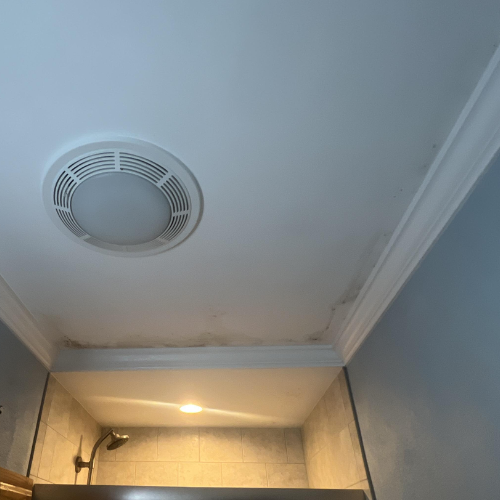
Condensation, roof leaks, plumbing problems, and damp basements can all contribute to excess indoor moisture. Addressing these issues early can help protect your home before winter arrives.
1. Watch for Condensation
Moisture on windows, cold walls, and other surfaces can signal excess indoor humidity. Wipe away condensation and improve ventilation to help keep surfaces dry.
2. Check Hidden Moisture Areas
Basements, attics, bathrooms, and areas beneath sinks are common places for moisture to accumulate. Look for water stains, peeling paint, damp materials, or persistent musty odors.
3. Fix Leaks Promptly
A leaking roof, burst pipe, or plumbing issue can leave moisture trapped behind walls and beneath flooring. Repair the source of the water and dry affected materials promptly to reduce the risk of mold growth.
4. Control Indoor Humidity
Use exhaust fans in bathrooms and kitchens, ensure proper ventilation, and consider a dehumidifier in damp areas. The U.S. Environmental Protection Agency recommends keeping indoor relative humidity below 60%, ideally between 30% and 50% when practical.
When Should You Call a Professional?
If mold covers a large area, keeps returning, or follows significant water damage, professional assessment and remediation may be necessary. Avoid simply painting over mold or masking musty odors without addressing the underlying moisture problem.
Keep Moisture From Becoming a Bigger Problem
Cold weather does not eliminate mold risk. By controlling humidity, repairing leaks, and responding quickly to water damage, you can help keep your home drier throughout the winter.
PDQ Fire & Water Damage Restoration helps Northern New Jersey homeowners address water damage and mold concerns. If you suspect hidden moisture or discover mold after a leak, visit our Mold Removal page or contact our team to discuss the next steps.