Before the First Deep Freeze: How to Prevent Burst Pipes and Winter Water Damage
As November temperatures drop across Northern New Jersey, frozen pipes become a serious concern for homeowners. When water freezes inside a pipe, it expands and increases pressure, potentially causing the pipe to crack or burst. When the ice melts, water can flood walls, floors, and other areas of your home.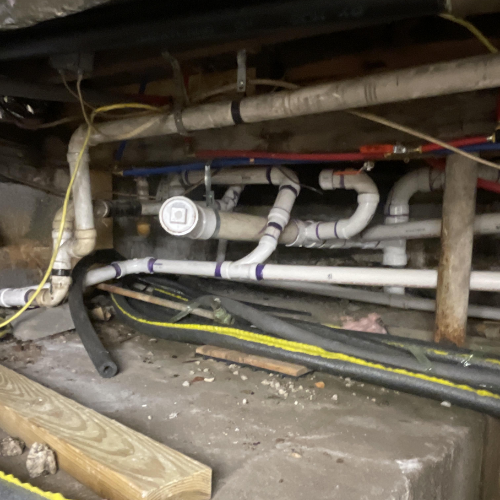
The good news? A few preventive steps can help reduce the risk of winter water damage.
1. Protect Exposed Pipes
Insulate pipes in unheated areas, including basements, crawl spaces, garages, and attics. Seal gaps around exterior walls where cold air can enter, especially near plumbing lines.
2. Keep Your Home Warm
Maintain consistent indoor temperatures during freezing weather. If you're traveling, keep the heat on and set the thermostat to at least 55°F (13°C), or follow your plumber's recommendations for your home's plumbing system.
3. Watch for Early Warning Signs
A faucet producing little or no water during freezing weather may indicate a frozen pipe. Unusual pipe noises, visible frost, or unexplained damp spots also deserve attention. Never use an open flame to thaw a frozen pipe.
4. Know What to Do if a Pipe Bursts
If a pipe bursts, shut off the main water supply if it is safe to do so. Avoid electrical hazards, protect belongings when possible, and contact a licensed plumber for repairs. If water has entered your home, prompt professional drying can help limit further damage.
Why Fast Action Matters
Water can spread behind walls, beneath flooring, and into insulation before visible damage appears. Delayed drying may lead to deteriorating materials and potential mold growth.
If your home experiences a burst pipe or winter water damage, PDQ Fire & Water Damage Restoration can help assess affected areas and determine the appropriate restoration steps.
Prepare now. Protect your home before the first deep freeze.
Need help with water damage? Visit our Water Damage Restoration page or contact PDQ.