In the field of trauma cleanup and biohazard cleanup, advanced tools and techniques are essential to ensure safety, thorough decontamination, and efficiency. Whether addressing blood cleanup at an accident site, a sensitive suicide cleanup, or a high-profile crime scene cleanup, professionals rely on innovative technologies to restore environments quickly and safely.
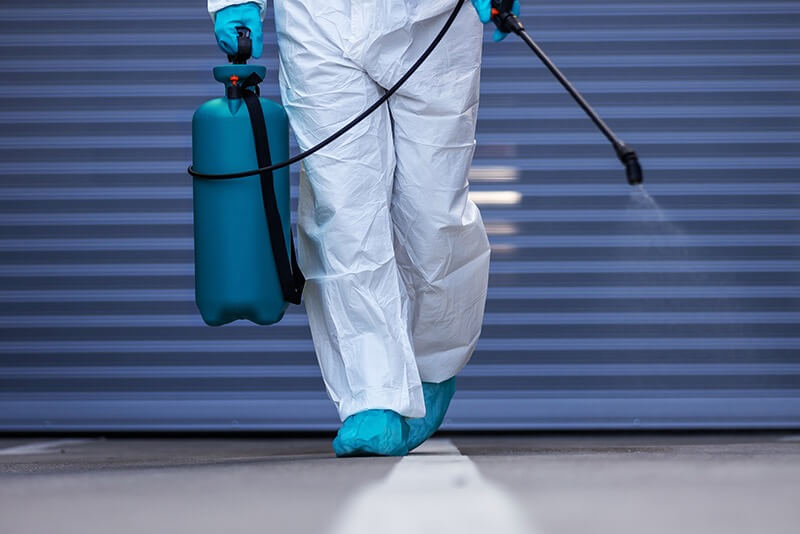
One such technology is electrostatic spraying systems, which apply a charged disinfectant mist to all surfaces. This ensures even coverage, even in hard-to-reach areas—crucial in scenarios such as blood cleanup after traumatic incidents or biohazard cleanup at crime scenes.
Hydrogen Peroxide Vapor (HPV) systems are another vital tool in biohazard remediation. These systems release vaporized hydrogen peroxide that penetrates deeply into nooks and crannies. This method is particularly effective during suicide cleanup, trauma cleanup, or in any environment requiring intense decontamination, such as crime scene cleanup locations.
Robotic cleanup technologies are increasingly used for biohazard cleanup in hazardous or hard-to-access areas. These robots, equipped with cameras and disinfection tools, allow specialists to conduct blood cleanup or trauma cleanup without risking exposure. In high-contamination crime scene cleanup situations, robotic tools offer unmatched precision and safety.
To protect workers during these intense operations, advanced personal protective equipment (PPE) has evolved significantly. Today’s PPE provides better mobility, comfort, and barrier protection—ensuring that professionals can perform suicide cleanup, trauma cleanup, and blood cleanup duties safely and effectively.
State-of-the-Art Equipment in Biohazard Remediation
Advanced equipment also plays a key role in the success of crime scene cleanup, suicide cleanup, and other biohazard scenarios:
-
HEPA filtration systems remove 99.97% of airborne particles and pathogens. These are indispensable during any biohazard cleanup, especially when airborne contaminants are present after trauma or blood-related events.
-
Ozone generators neutralize odors and pathogens, making them ideal for decompositions or chemical incidents—common during suicide cleanup and trauma cleanup.
-
Fogging machines dispense disinfectant mists over wide areas, covering surfaces that manual methods might miss. This makes them a staple in thorough crime scene cleanup and biohazard cleanup procedures.
The Importance of Advanced Cleanup Techniques
Adopting modern equipment and techniques for trauma cleanup and biohazard cleanup offers several critical benefits:
-
Enhanced Safety: Robotics and improved PPE help protect cleanup crews during risky operations like suicide cleanup or blood cleanup in high-risk zones.
-
Improved Efficiency: Tools such as foggers and electrostatic sprayers speed up the crime scene cleanup process, reducing downtime and restoring environments swiftly.
-
Comprehensive Decontamination: With advanced tools, professionals ensure no trace of contamination remains after trauma cleanup or biohazard cleanup—essential for public safety and peace of mind.
In conclusion, the integration of advanced technology into trauma cleanup, suicide cleanup, blood cleanup, and crime scene cleanup is revolutionizing the industry. These tools not only protect the health and safety of cleanup crews but also ensure that each site is fully restored to a safe, habitable condition. As the demand for professional biohazard cleanup continues to grow, staying updated with these advancements is vital for delivering effective and compassionate service.