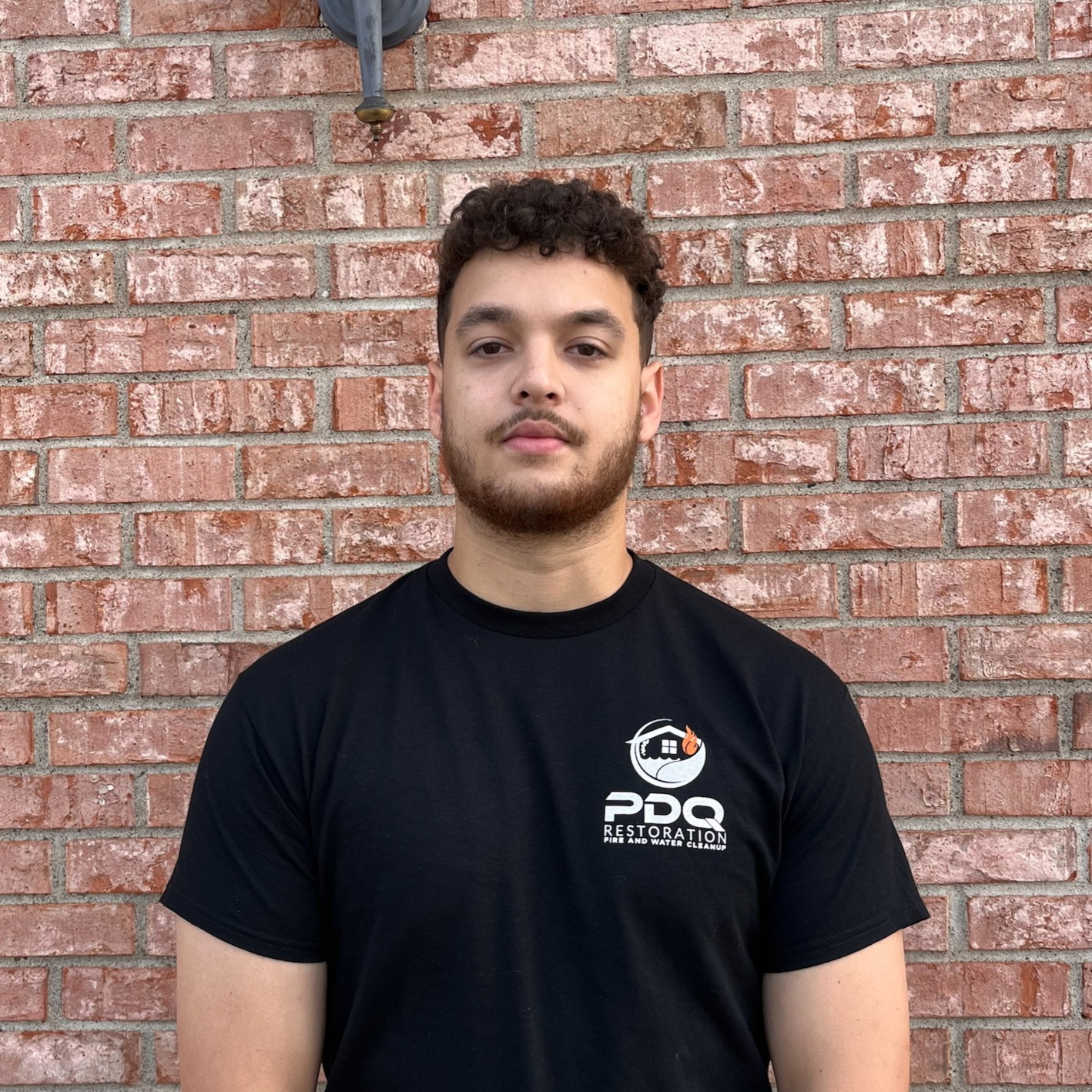
Samuel Adames

Technician

Employed Since: 2025-07-28

Hometown: Sparta, NJ

Hobbies: playing video games, watching movies, and spending time with family / friends

Samuel Adames

Technician

About Samuel Adames:


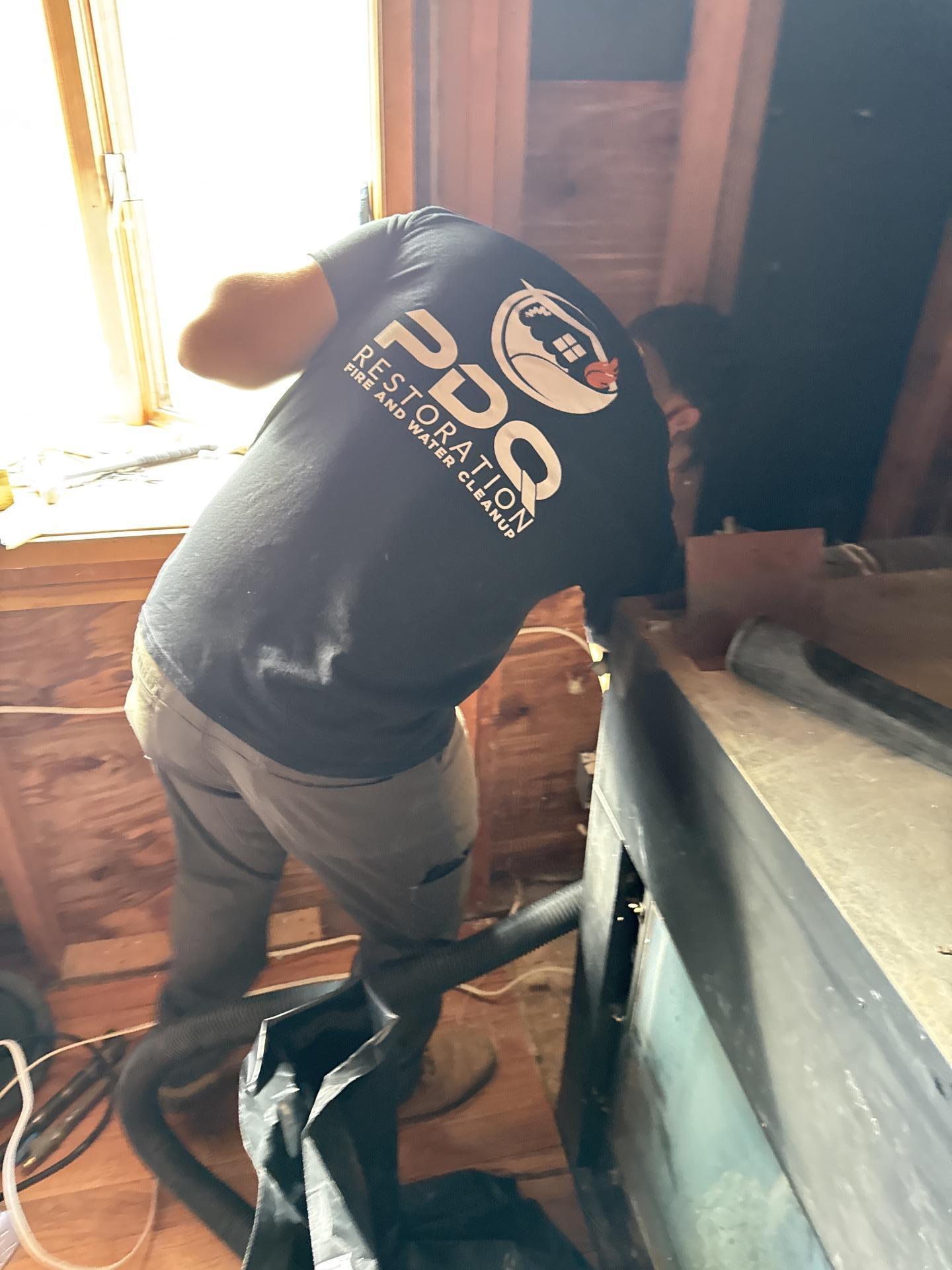
Sam is a hardworking individual and a big team player. He loves dogs and working with computers. He joined PDQ Restoration to be able to help people by restoring their homes and getting them back living in their house.

Jobs Completed by Samuel Adames

See All

Randolph, NJ

December 20, 2025

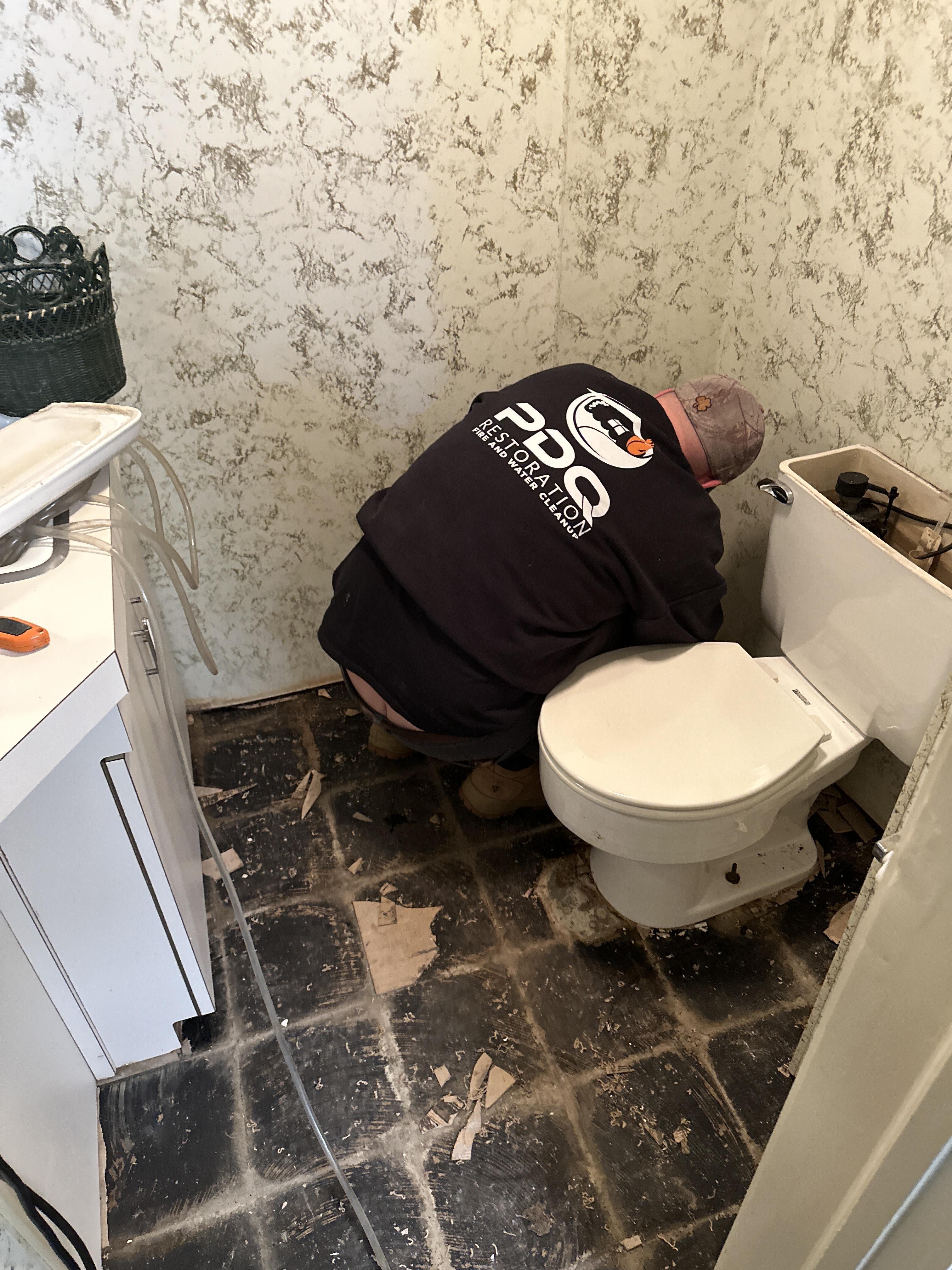
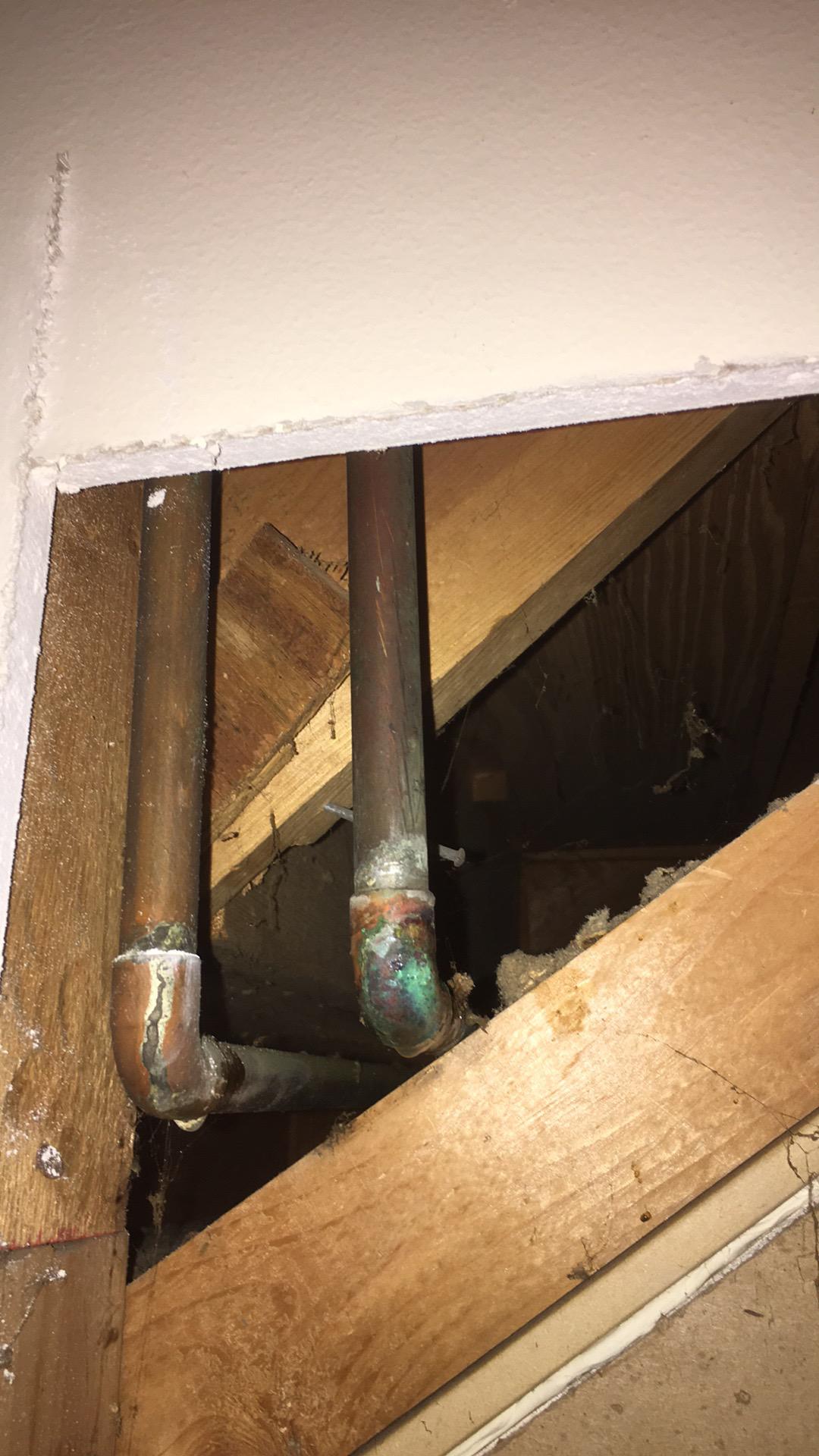
Daniel M. contacted PDQ Fire & Water Damage Restoration after experiencing sewage damage in a residential bathroom in Randolph, NJ when wastewater backed up from the plumbing system. The sewage damage in Randolph, NJ was caused by a blocked sewer line that resulted in a toilet overflow and contaminated water spreading across the tiled bathroom floor. Category 3 sewage water impacted the flooring, wall base areas, and adjacent surfaces, creating an immediate biohazard condition. Emergency Sewage Removal was required at the Randolph, NJ property to address health risks and prevent further contamination. Technicians responded promptly to the Randolph, NJ location to extract sewage water and secure the affected bathroom. The homeowner reported the loss to their carrier, and the sewage damage in Randolph, NJ was handled as an insurance-covered claim.

The sewage cleanup process in Randolph, NJ included detailed surface cleaning, removal of contaminated materials, and a full disinfecting service using professional antimicrobial solutions. Air movers and drying equipment were installed to support structure drying and control moisture levels beneath the bathroom flooring. Biohazard clean-up procedures were followed to eliminate bacteria, pathogens, and sewage residue commonly associated with toilet overflows. Odor control measures were applied to reduce lingering sewage smells during the dry-out phase. Moisture readings and sanitation documentation were maintained throughout the sewage damage restoration in Randolph, NJ for insurance compliance. Once completed, the Randolph, NJ bathroom was stabilized and cleared in accordance with industry standards for sewage removal and biohazard cleanup.

Green Township, NJ

November 27, 2025

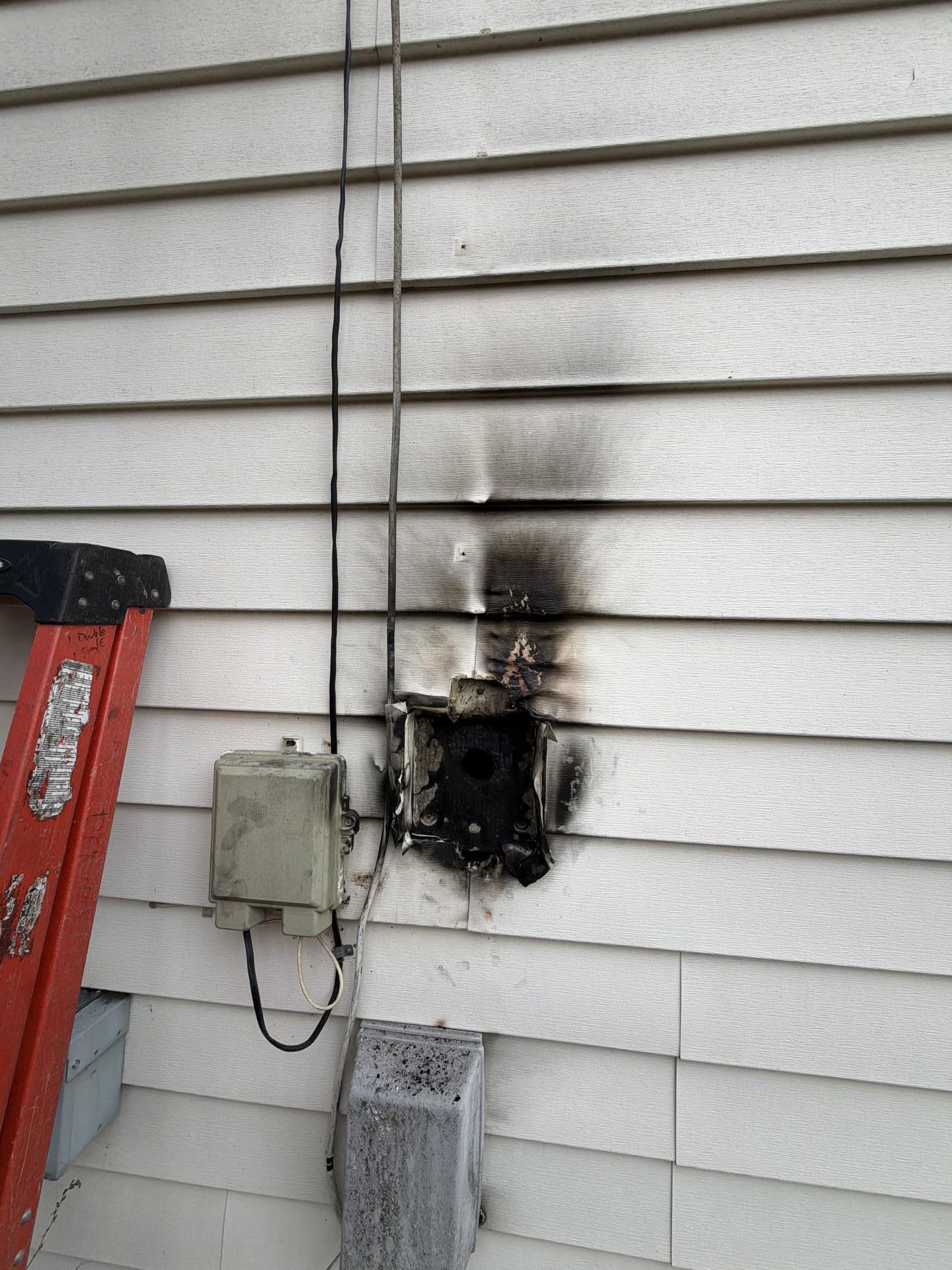
Lydia F. experienced significant fire and smoke damage at her Green Township home after an electrical wiring failure inside a wall cavity triggered a fast-moving structural fire. Heavy soot damage spread through the Green Township property, coating ceilings, trim, and smoke-damaged drywall across multiple rooms. Emergency Board-Up services were performed immediately to secure the structure and prevent additional weather intrusion in Green Township during the early stages of assessment. Technicians initiated the fire restoration process with detailed soot removal, HVAC inspection, and duct system smoke removal to stop the circulation of fine soot particles. Because the fire loss was fully covered by the homeowner’s insurance policy, all necessary fire damage insurance claim documentation was completed in parallel with the restoration tasks. Initial cleanup also included smoke odor removal, debris extraction, and the safe removal of charred building materials to stabilize the Green Township home.

During the second phase of this Green Township fire restoration project, crews conducted extensive HEPA vacuuming, dry chemical sponge cleaning, and targeted soot removal on all fire-damaged building materials. Thermal deodorization and ozone treatments were used to neutralize stubborn smoke odors embedded within cavities throughout the Green Township residence. Additional inspection revealed heat migration patterns similar to kitchen fire damage, requiring specialized encapsulation coatings on exposed structural components. Smoke-stained insulation was removed to restore indoor air quality and prevent soot particles from reappearing on cleaned surfaces. Technicians completed advanced duct system smoke removal to ensure the HVAC system no longer circulated contaminants in the Green Township property. By the conclusion of the project, the structure was fully cleaned, stabilized, and ready for the reconstruction stage.

Sparta, NJ

November 23, 2025

Kevin R. experienced extensive fire and smoke damage at his Sparta residence after an overheated power strip caused an electrical equipment fire that spread quickly across the living room. Heavy soot damage traveled through the Sparta home, affecting ceilings, trim, and smoke-damaged drywall in multiple rooms. Emergency Board-Up services were performed immediately to secure the structure, preventing additional weather exposure in Sparta during the initial assessment phase. Technicians documented widespread soot infiltration inside the HVAC system, which required detailed duct system smoke removal and deep cleaning. Because the fire loss was covered by the homeowner’s insurance policy, all fire damage insurance claim documentation was completed alongside the fire restoration process. Early cleanup efforts focused on debris removal, charred material extraction, and targeted smoke odor removal to prepare the Sparta property for full remediation.

In the second phase of this Sparta fire restoration project, crews performed comprehensive soot removal using HEPA vacuuming, dry sponging, and specialized chemical cleaning to treat all structural components. Smoke odor removal techniques—including thermal fogging and ozone application—were used to eliminate persistent odors throughout the Sparta residence. Additional inspection revealed areas of heat migration similar to kitchen fire damage patterns, prompting further deodorization and encapsulation of exposed framing. Fire-damaged insulation was removed, and technicians applied soot-sealing primers to prevent smoke bleed-through on repaired surfaces. The duct system received a full smoke remediation treatment to stop circulation of fine soot particles in the Sparta home. By the conclusion of the project, the structure was fully stabilized, deeply cleaned, and ready for the reconstruction phase with all fire and smoke contaminants removed.

Mount Olive, NJ

November 18, 2025

Mason L. experienced extensive water damage in his Mount Olive home after a sudden water pipe break caused by a failed HVAC discharge line led to burst pipes inside the laundry-room wall. The resulting flooding saturated drywall, wet insulation, and multiple wood floor sections, creating rapid moisture migration throughout several areas of the Mount Olive property. Because the loss was covered by insurance, water extraction and structural drying in Mount Olive began immediately with full documentation prepared for the adjuster. Technicians also discovered an appliance leak cleanup issue from a malfunctioning washing machine that had been slowly releasing water into the subfloor. Moisture mapping and thermal imaging identified saturation consistent with a main water line break, prompting controlled demolition to protect unaffected building materials in Mount Olive. Specialized drying mats were deployed to address significant wood floor water damage and help stabilize humidity levels throughout the Mount Olive residence.

During the restoration phase, the Mount Olive home underwent high-capacity dehumidification, aggressive air movement, and targeted structure drying to remove deep-set moisture in framing and subfloor assemblies. Wet insulation removal became necessary in heavily affected areas, followed by sanitation steps to reduce microbial growth risk in the Mount Olive property. Continued inspections ruled out roof leaks but confirmed several zones of trapped moisture beneath wood floor panels, extending the drying cycle. Equipment placement was adjusted daily to ensure thorough drying and adherence to dry-standard requirements. Documentation—including photos, moisture readings, and drying logs—supported the insurance-covered mitigation process throughout the project in Mount Olive. By completion, the Mount Olive residence had fully undergone water extraction, structural drying, appliance leak cleanup, and wood floor water damage stabilization across all impacted areas.

Lincoln Park, NJ

November 13, 2025

Evan M. suffered significant water damage in his Lincoln Park home after a sudden water pipe break caused by a failed HVAC discharge line led to burst pipes behind the kitchen wall. The rapid flooding saturated drywall, wet insulation, and multiple wood floor sections throughout the Lincoln Park property, creating immediate moisture migration into adjacent rooms. Because the loss was covered by insurance, water extraction and structural drying in Lincoln Park began right away with full documentation for the adjuster. Technicians identified additional complications from an appliance leak cleanup issue stemming from a malfunctioning dishwasher that contributed more moisture to the lower cabinets. Wood floor water damage required specialized drying mats to reduce cupping and stabilize the flooring system in Lincoln Park. Moisture mapping and thermal imaging revealed saturation connected to a main water line break that required partial demolition to protect unaffected areas. Throughout the initial mitigation phase, the team focused on preventing further deterioration within the Lincoln Park residence.

During the restoration process, the Lincoln Park home underwent comprehensive water extraction, high-capacity dehumidification, and structure drying to eliminate deep-set moisture in framing and subfloor materials. Wet insulation removal became necessary in areas where the pipe burst allowed prolonged water exposure, followed by sanitation to prevent microbial development in Lincoln Park. Continued inspections ruled out roof leaks but confirmed trapped moisture beneath several flooring assemblies, extending the drying cycle to reach proper dry-standard levels. Detailed documentation such as drying logs, photos, and moisture readings supported the insurance-covered mitigation work in Lincoln Park. Technicians also addressed minor ceiling sagging near the HVAC discharge line failure, ensuring stability before repairs. By the conclusion of the project, the Lincoln Park property had completed full water damage restoration procedures, including appliance leak cleanup, structural drying, and wood floor stabilization, returning all impacted areas to pre-loss condition.

Morristown, NJ

November 8, 2025

Jason W. encountered extensive water damage in his Morristown, NJ home after a sudden main water line break in the upstairs hallway saturated floors and leaked into the kitchen below. The Morristown property quickly developed wet insulation, soaked drywall, and wood floor water damage that required immediate water extraction to prevent structural deterioration. Because this was an insurance-covered loss, technicians performed moisture mapping, documentation, and detailed photo records to support the claim. Crews completed appliance leak cleanup in adjacent rooms where water had migrated beneath cabinetry and into concealed spaces. Structure drying equipment was placed throughout the Morristown residence to stabilize humidity and prevent secondary mold growth. Continuous monitoring ensured that all impacted materials in Morristown trended toward proper drying goals before demolition decisions were made.

During the extended mitigation phase, the Morristown home required targeted wall cavity drying to eliminate moisture trapped behind framing after the water pipe break. Technicians removed wet insulation, sanitized subfloors, and used drying mats to salvage portions of the damaged wood flooring. Additional inspections were performed on the HVAC discharge line to ensure no secondary leaks contributed to the loss, a common precaution in older Morristown homes. Water extraction and structure drying continued with controlled airflow and dehumidification to restore safe moisture levels throughout the building envelope. Contents affected by the saturation were inventoried and documented for the homeowner’s insurance carrier to streamline the restoration process. By the time drying goals were achieved, the Morristown property was fully stabilized and ready for reconstruction following comprehensive water damage mitigation.

Jefferson, NJ

November 7, 2025

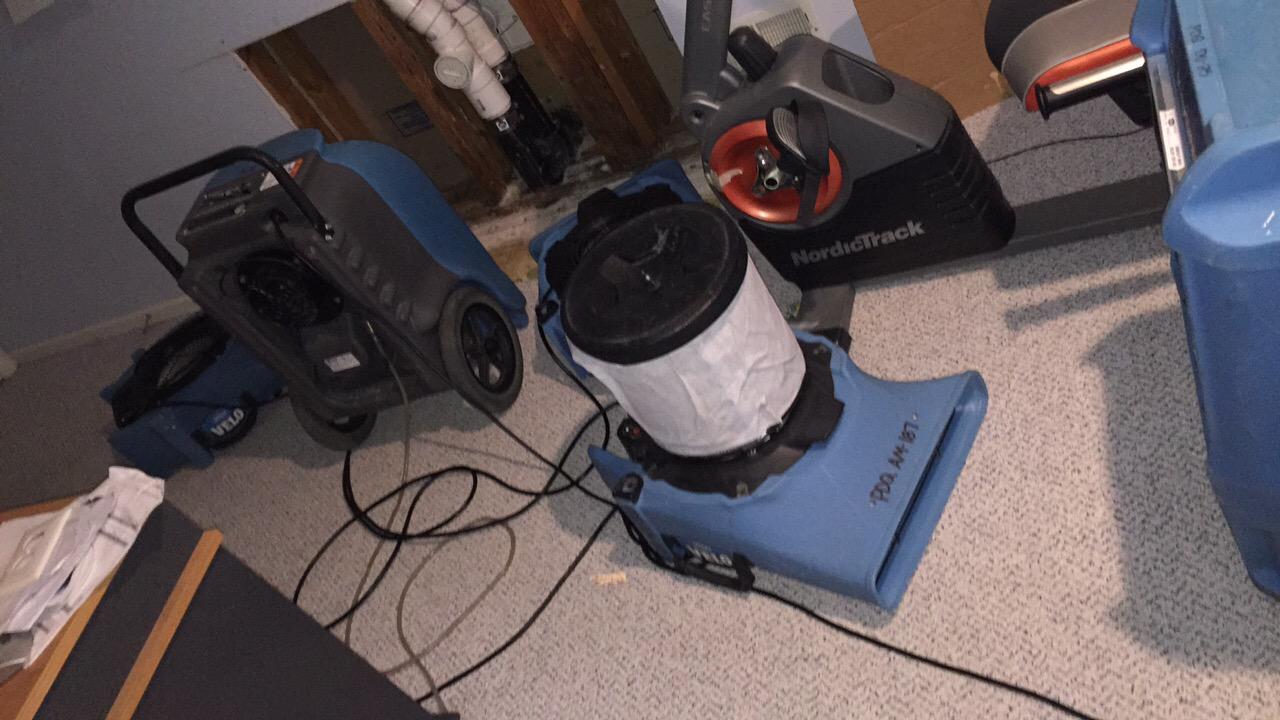
Ryan P. experienced severe sewage contamination in his Jefferson, NJ home after a sudden toilet overflow backed up through the lower-level bathroom and spread into the adjacent hallway. The Jefferson property required immediate Sewage Removal and containment because the Category 3 water carried significant bacteria and organic waste. Technicians performed detailed moisture mapping and documentation for the homeowner’s insurance, as this sewage cleanup was a covered loss. Contaminated flooring, baseboards, and drywall were removed to halt further cross-contamination within the Jefferson residence. The biohazard clean-up process included disinfecting service applications, HEPA filtration, and controlled demolition to reach all affected building materials. Specialized extraction equipment was used to remove standing sewage and stabilize the Jefferson home before deeper sanitation work began.

During the remaining mitigation steps, crews conducted thorough trauma clean-up–level sanitizing to eliminate harmful pathogens lingering on structural surfaces throughout the Jefferson property. Subfloors were treated with hospital-grade antimicrobial solutions to prevent lingering odor and microbial growth. Damaged contents were inventoried and documented for the insurance carrier, ensuring a streamlined claims process for the Jefferson homeowner. Technicians verified plumbing lines to confirm that no additional blockages or sewer line damage would cause recurring toilet overflow issues. Air scrubbers and dehumidifiers remained in place until all moisture from the sewage contamination was fully addressed. By the time mitigation concluded, the Jefferson home had undergone complete sewage removal, disinfection, and stabilization, leaving it ready for reconstruction after comprehensive biohazard clean-up.

Lake Mohawk, NJ

October 28, 2025

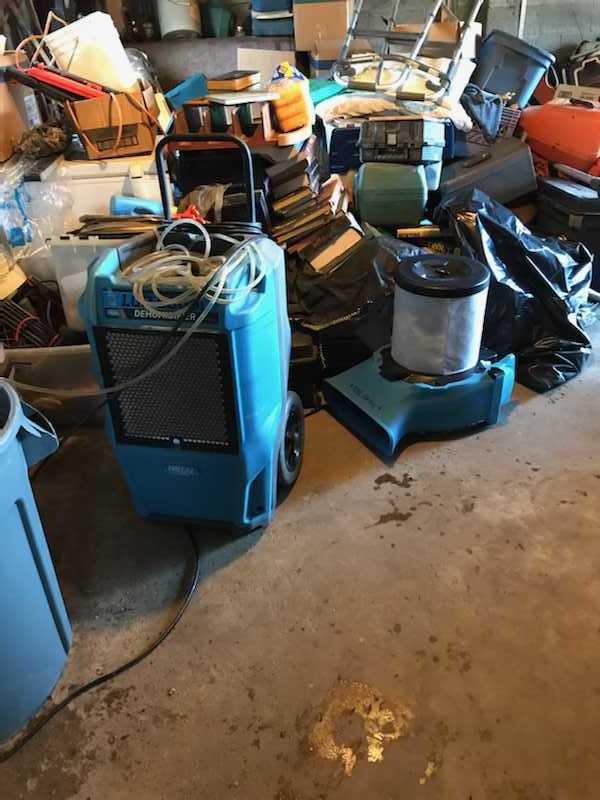
Homeowner Bryan W. in Lake Mohawk, NJ experienced extensive water damage in his unfinished basement after a burst pipe released a large volume of water onto the concrete floor. The flooding spread rapidly, soaking boxes, storage bins, tools, and furniture stored throughout the basement. Our water damage restoration team in Lake Mohawk, NJ responded immediately to perform emergency water extraction, assess and inventory affected contents, and initiate structural drying. Items were sorted for salvageability, with non-porous contents cleaned and disinfected, while saturated cardboard and absorbent materials were discarded. The burst pipe in Lake Mohawk, NJ also required targeted drying along the perimeter foundation and under shelving units where water had pooled.

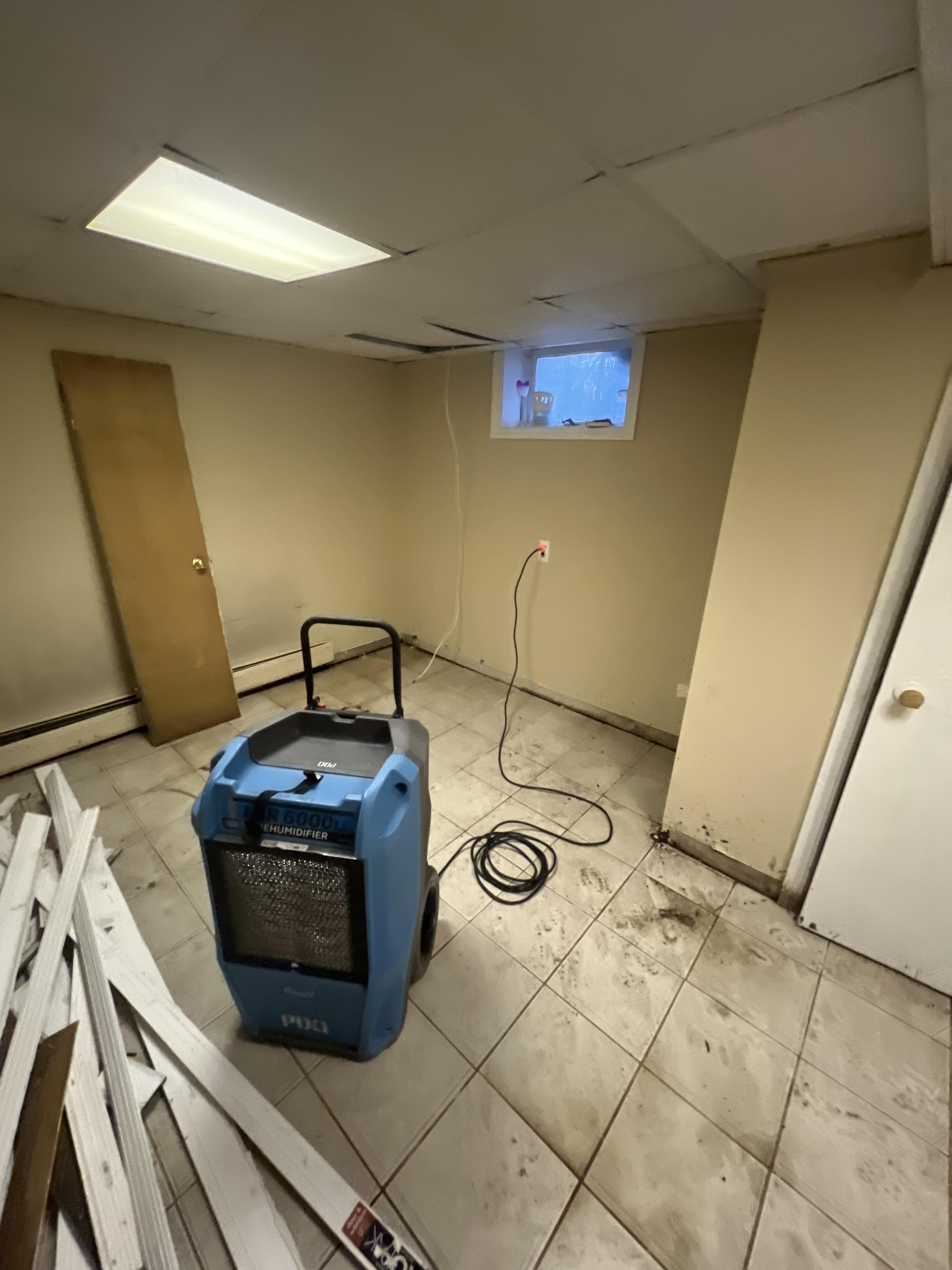
The homeowner’s insurance claim was approved and covered the full cost of content handling, cleanup, and drying services. Technicians in Lake Mohawk, NJ used commercial air movers and dehumidifiers to restore proper moisture levels and prevent microbial growth on concrete and exposed framing. Moisture mapping confirmed the spread of water beneath and behind storage zones, requiring comprehensive drying efforts. The water damage in Lake Mohawk, NJ highlighted the risk of content loss and hidden moisture buildup in unfinished basements without immediate intervention. All services were completed with detailed documentation to support the insurance claim and ensure safe re-entry into the storage space.
PDQ Fire & Water Restoration's Sunshine Events

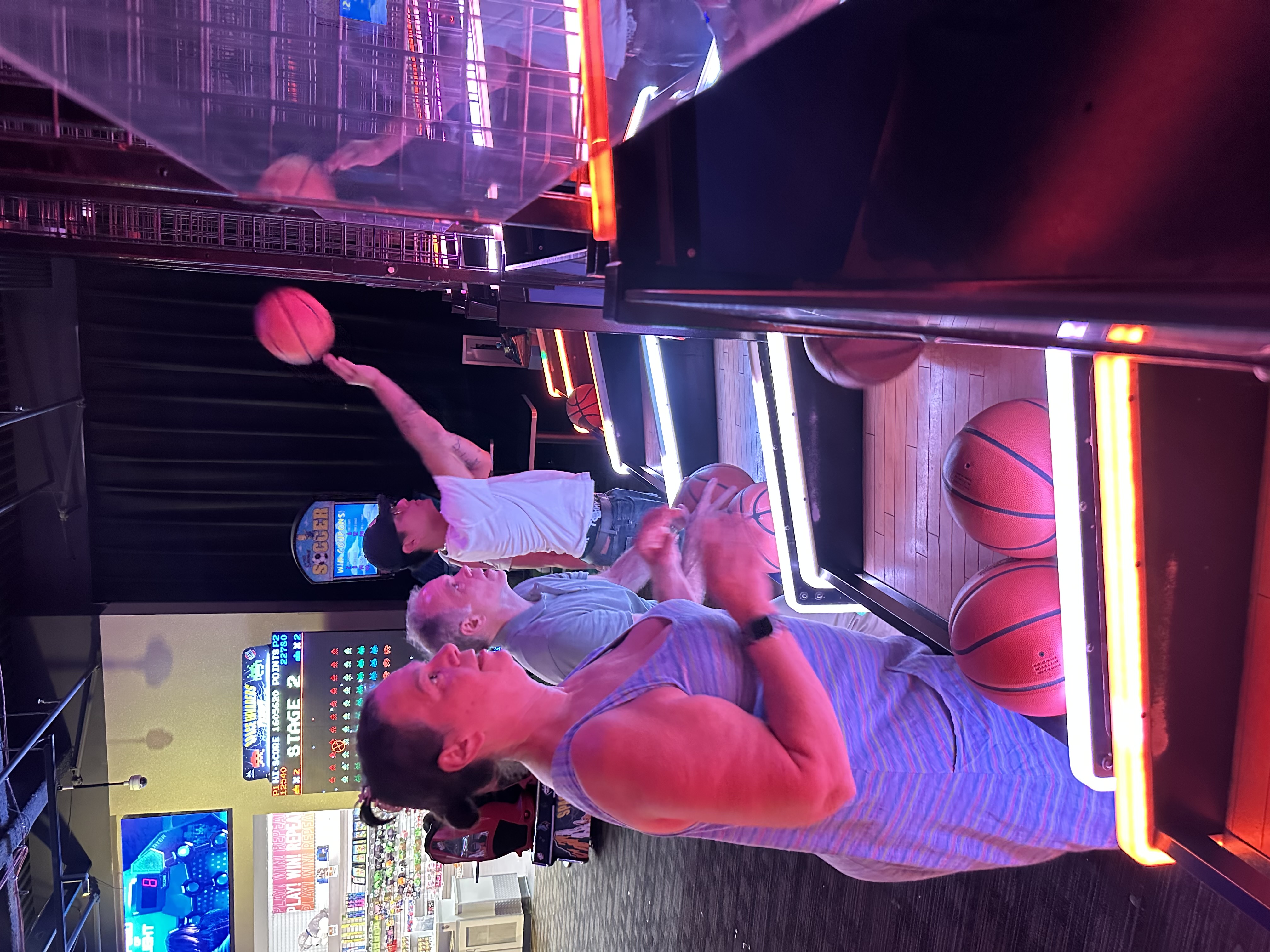
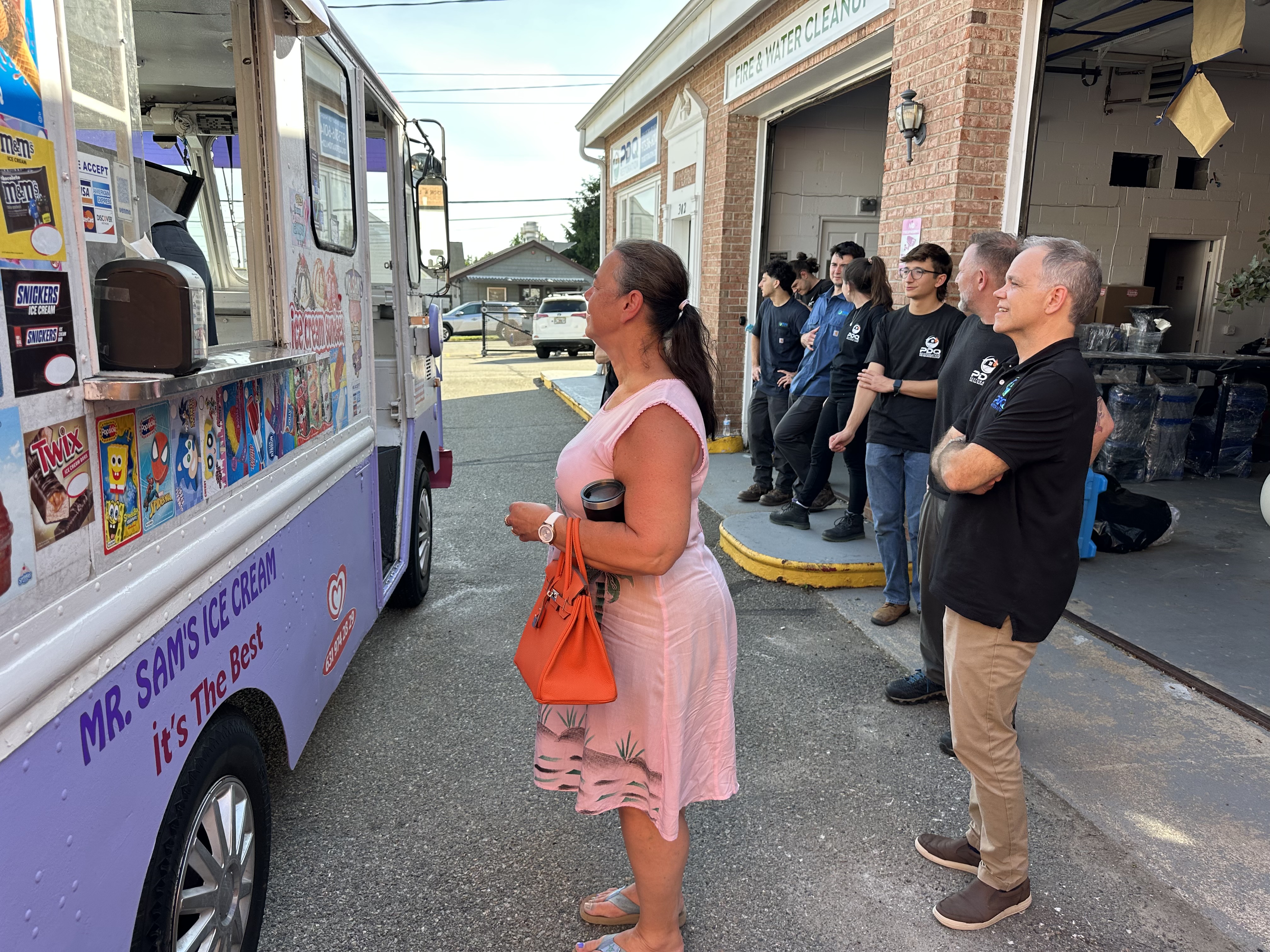
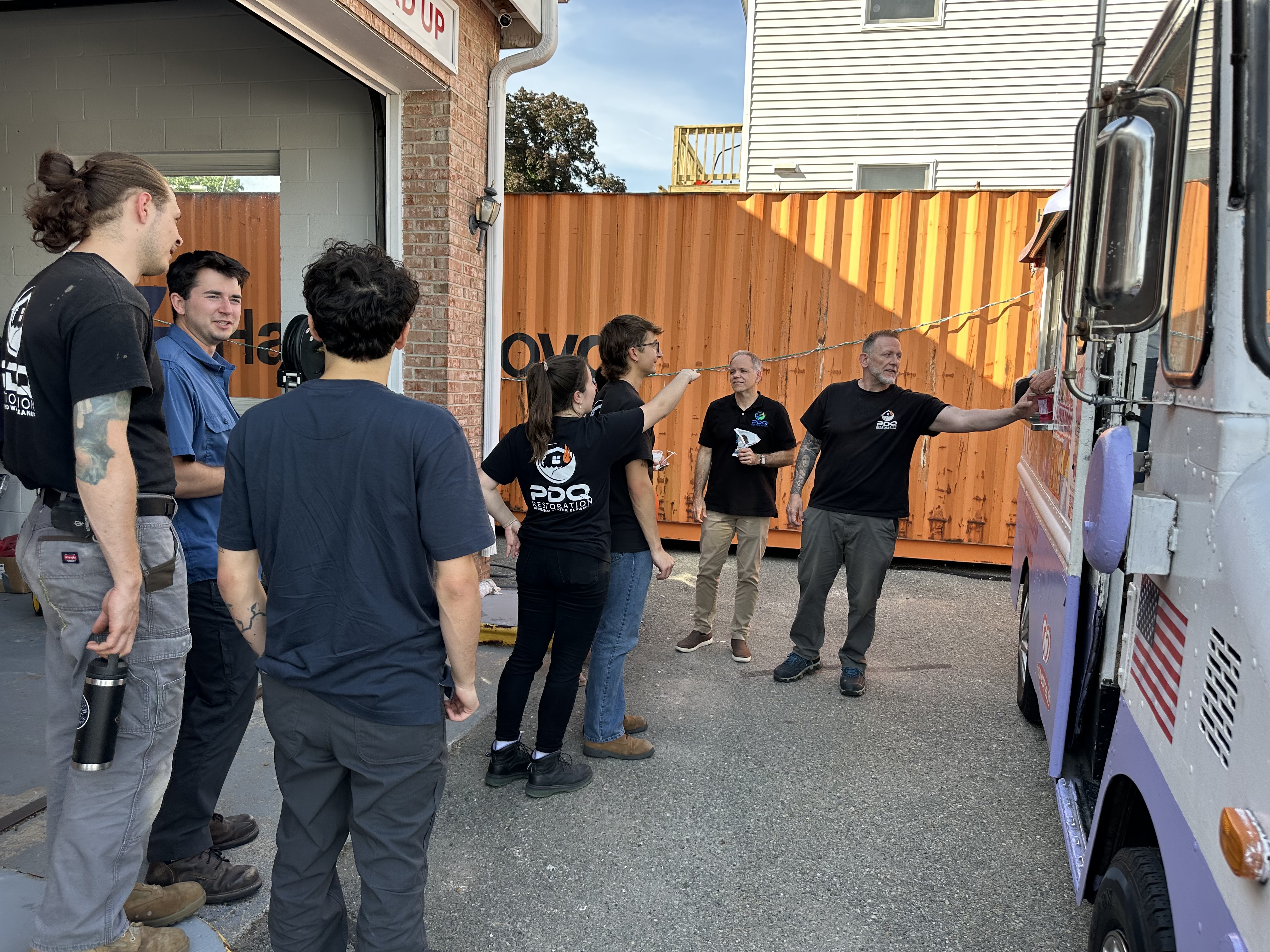
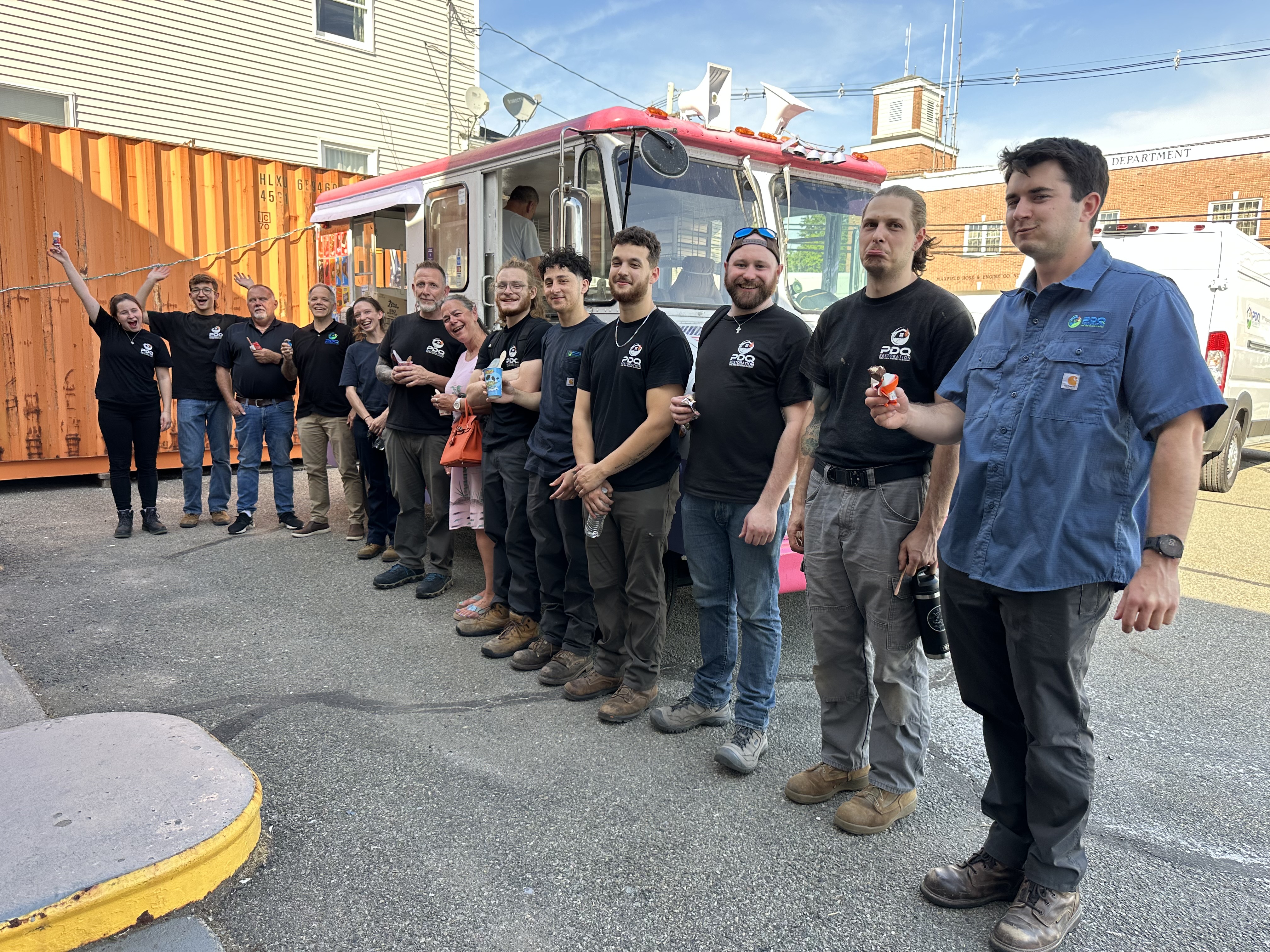
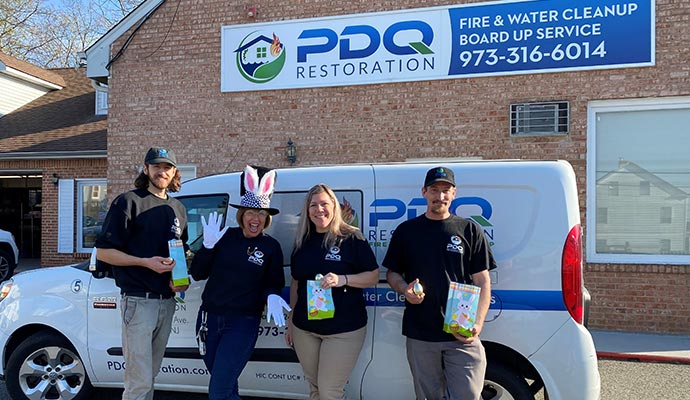
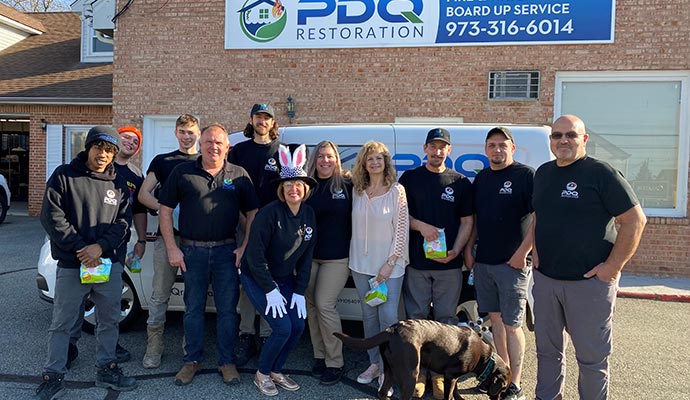
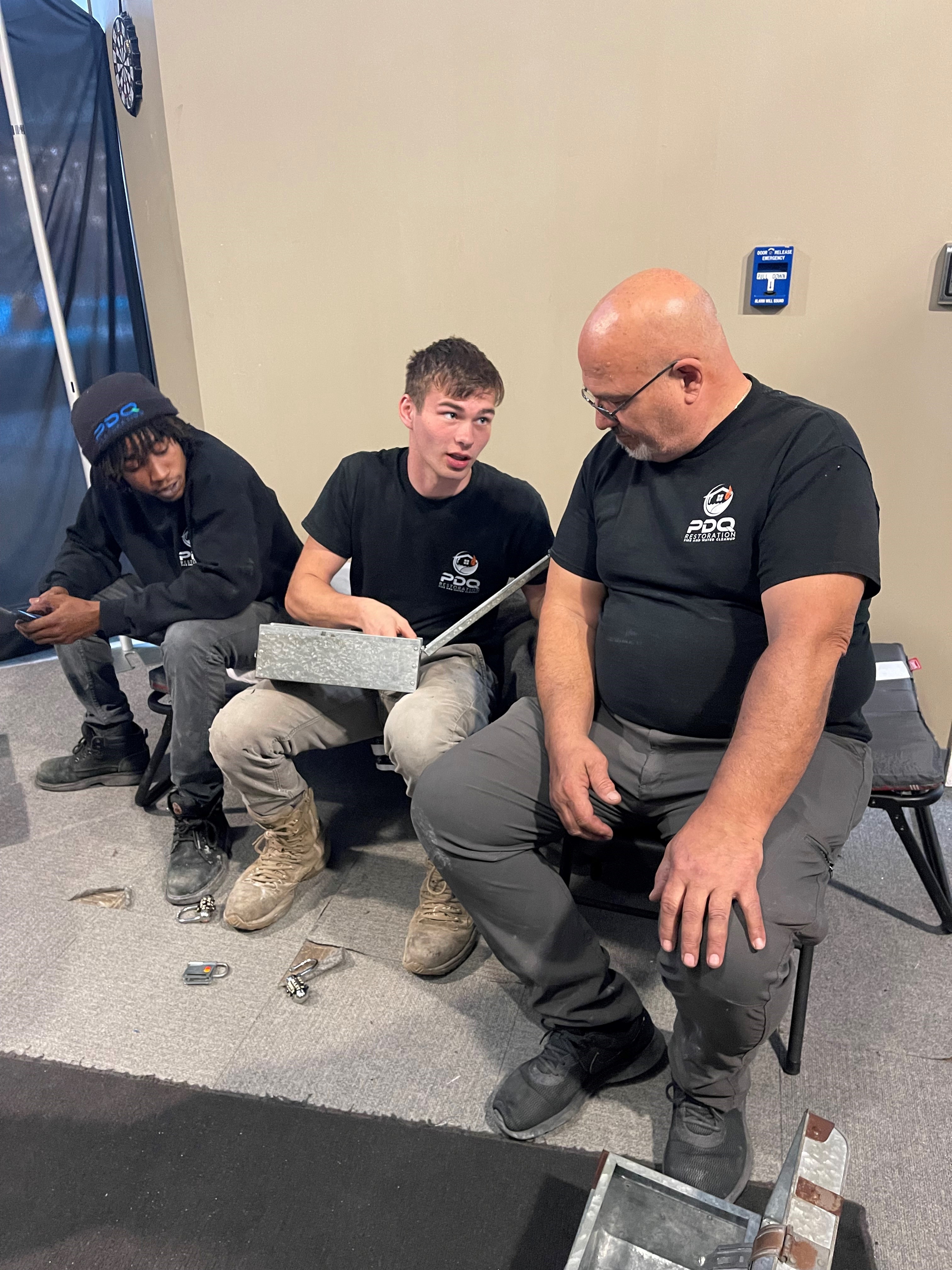
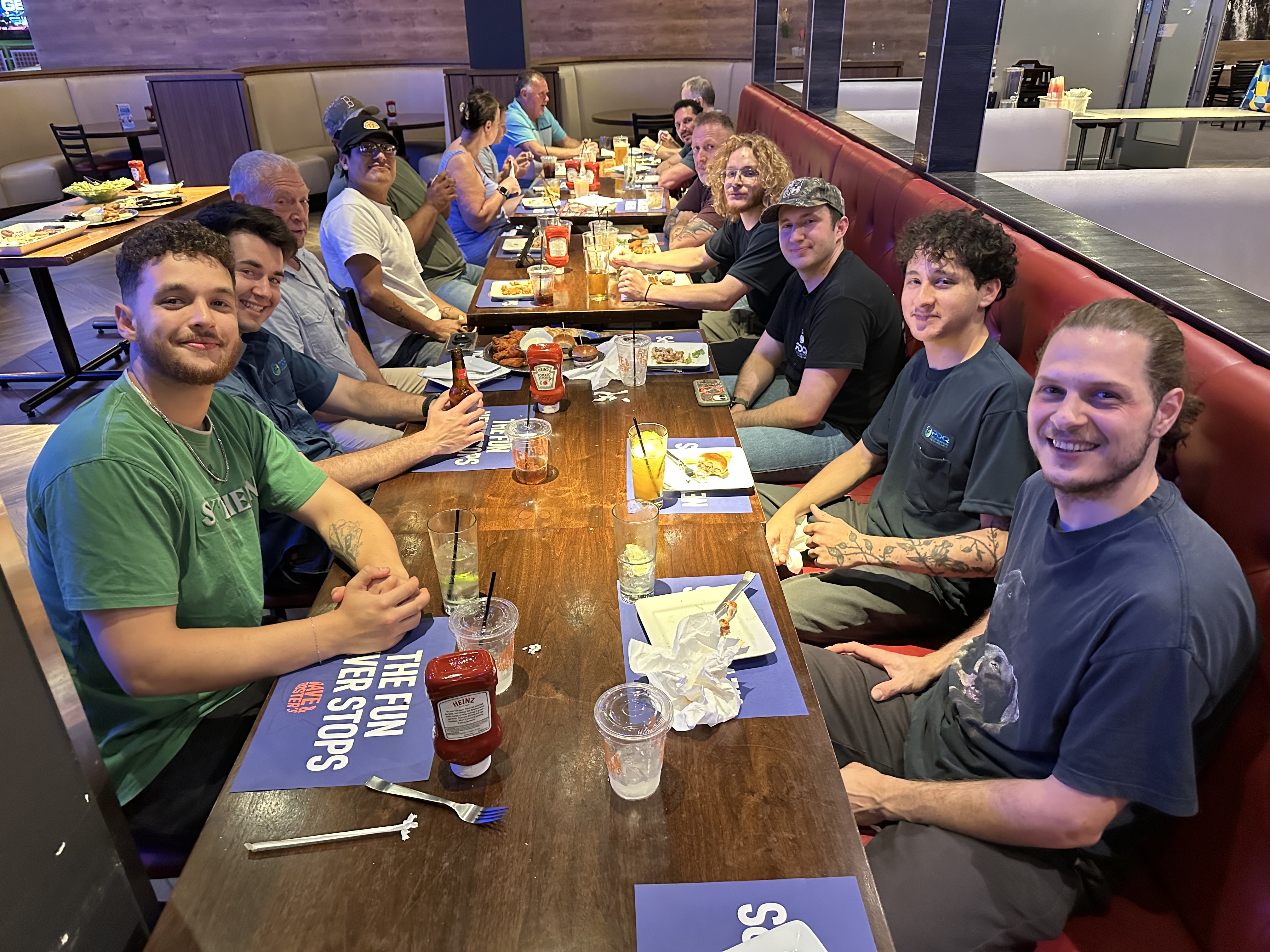
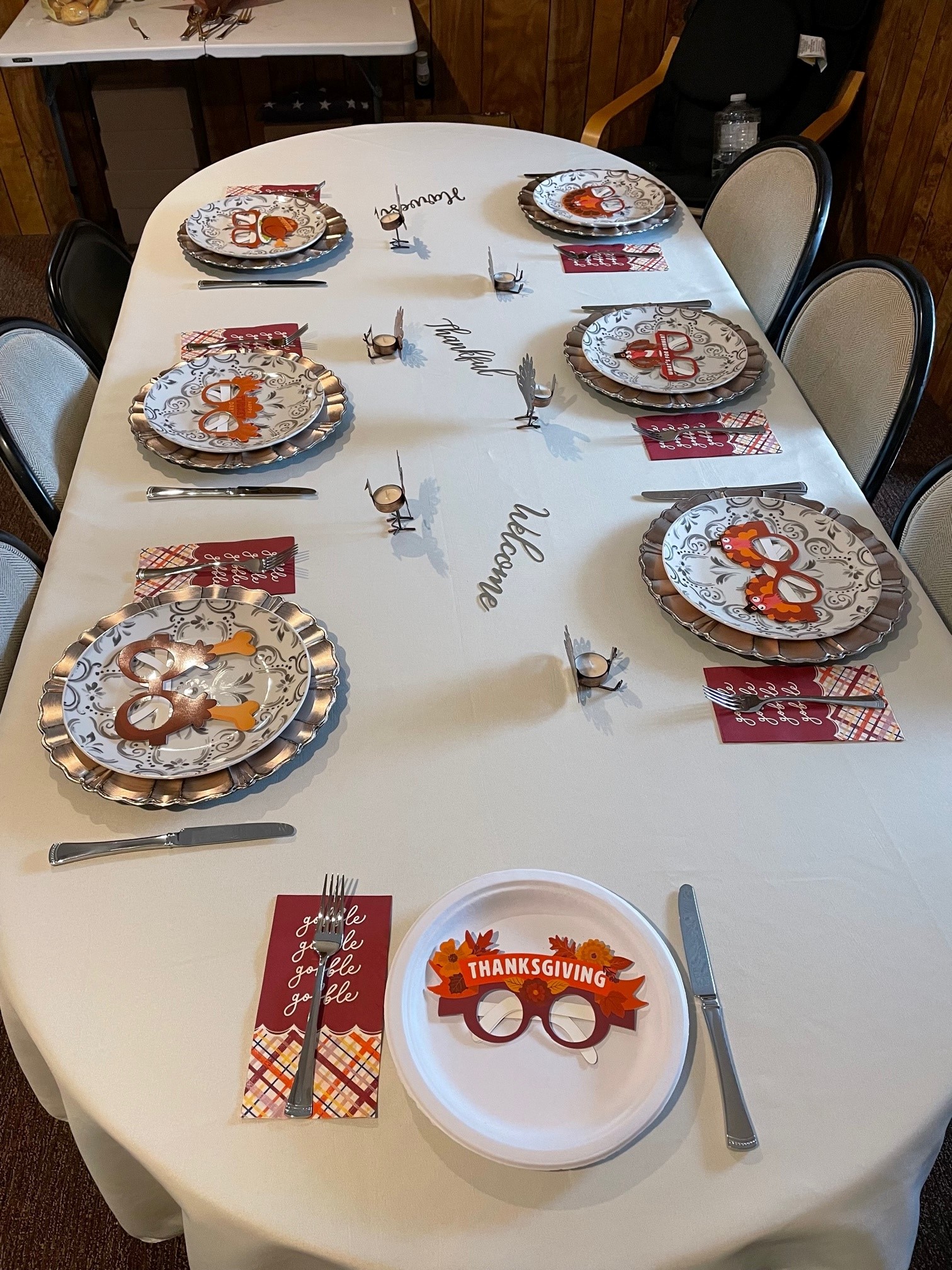
The job of the Sunshine Committee is to make PDQ a fun place to work and have fun with each other.

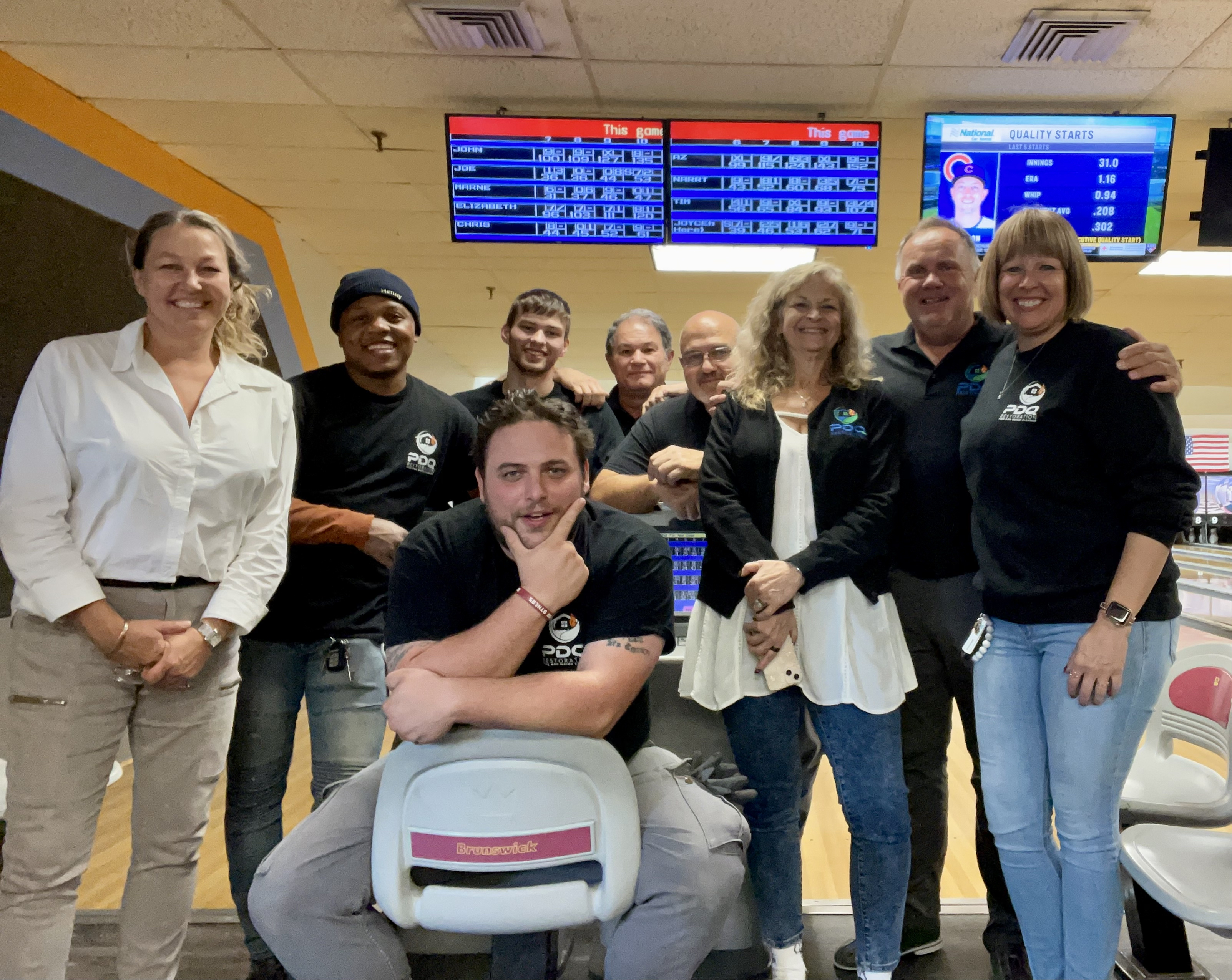
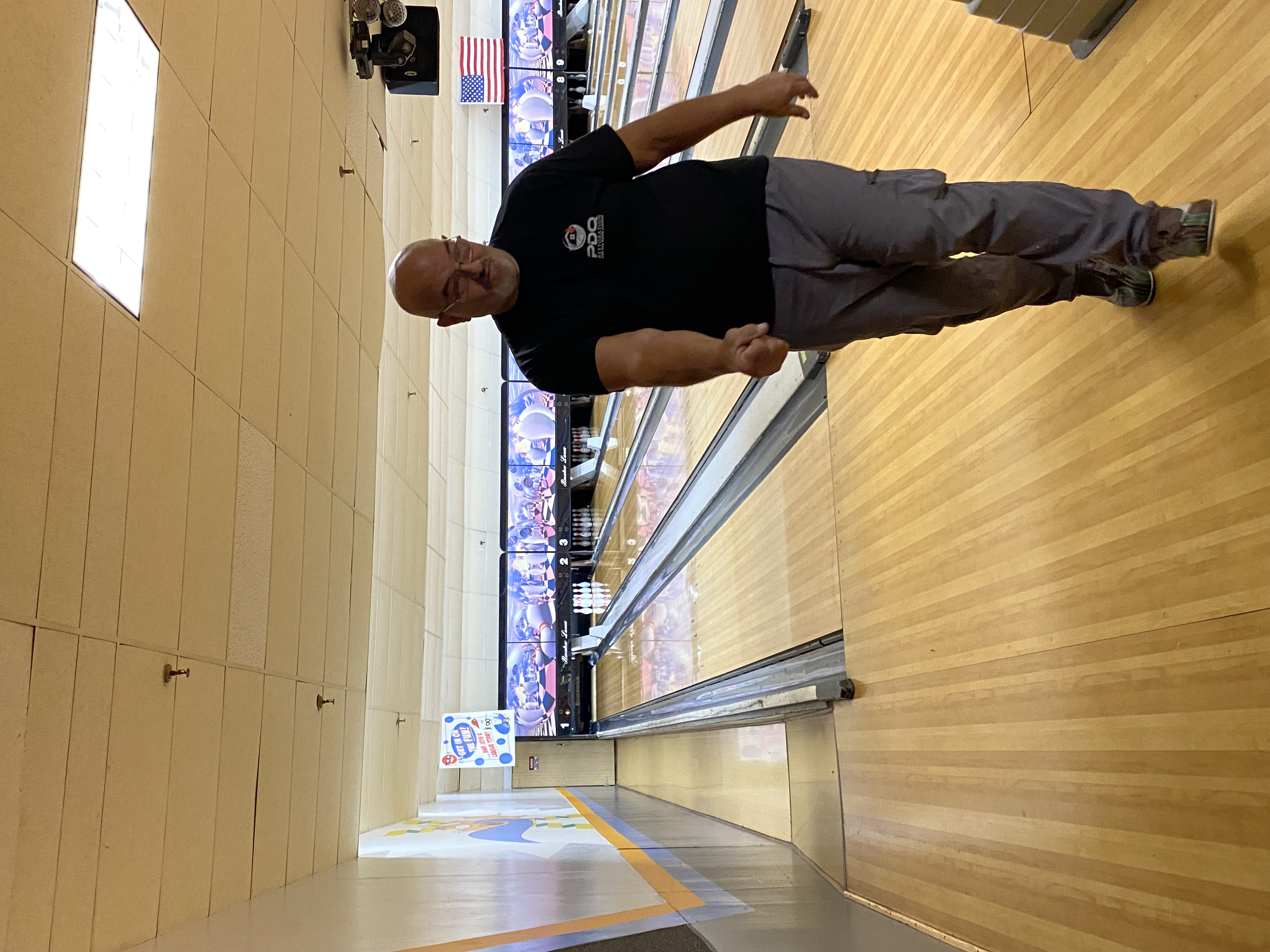
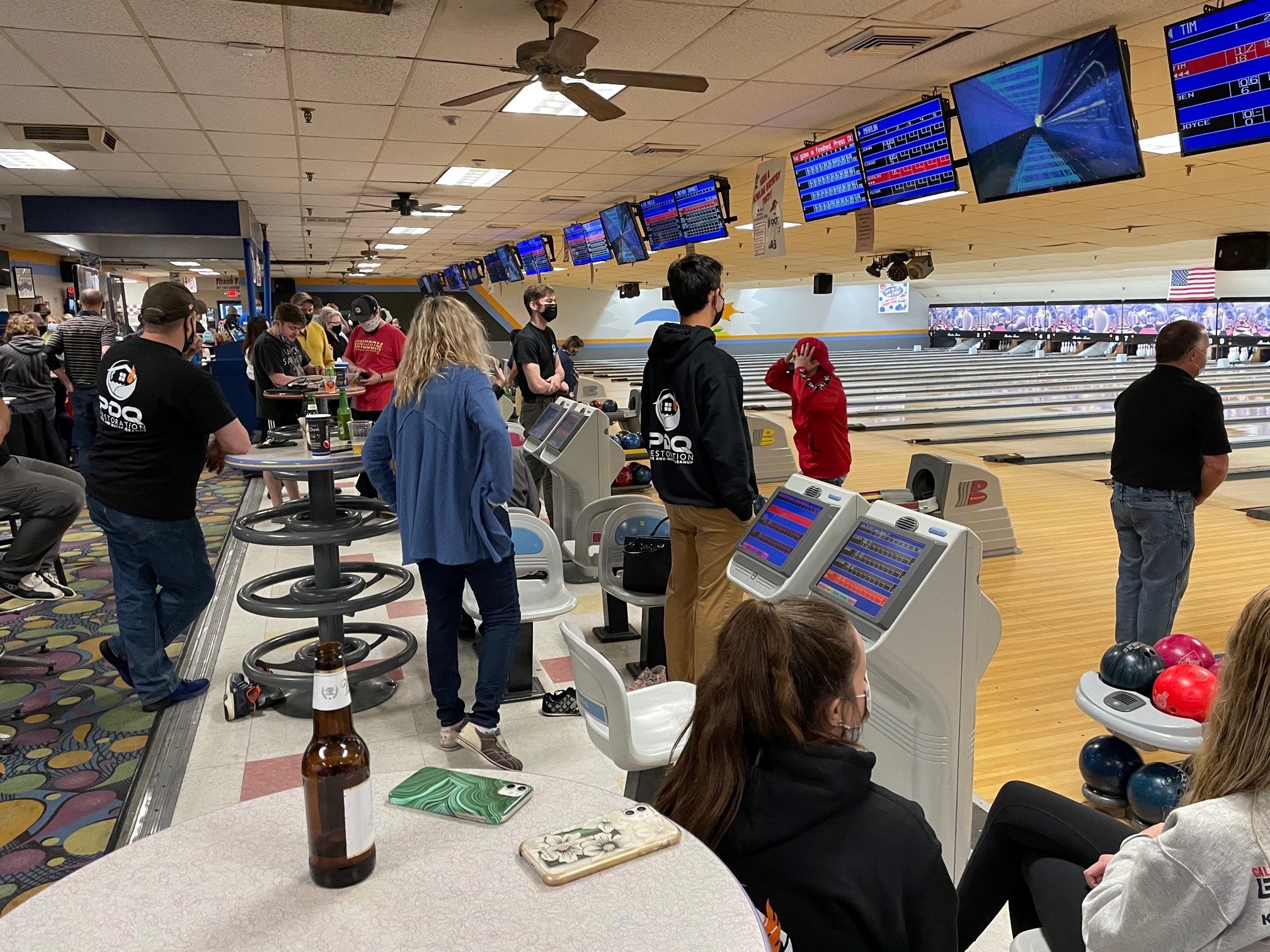
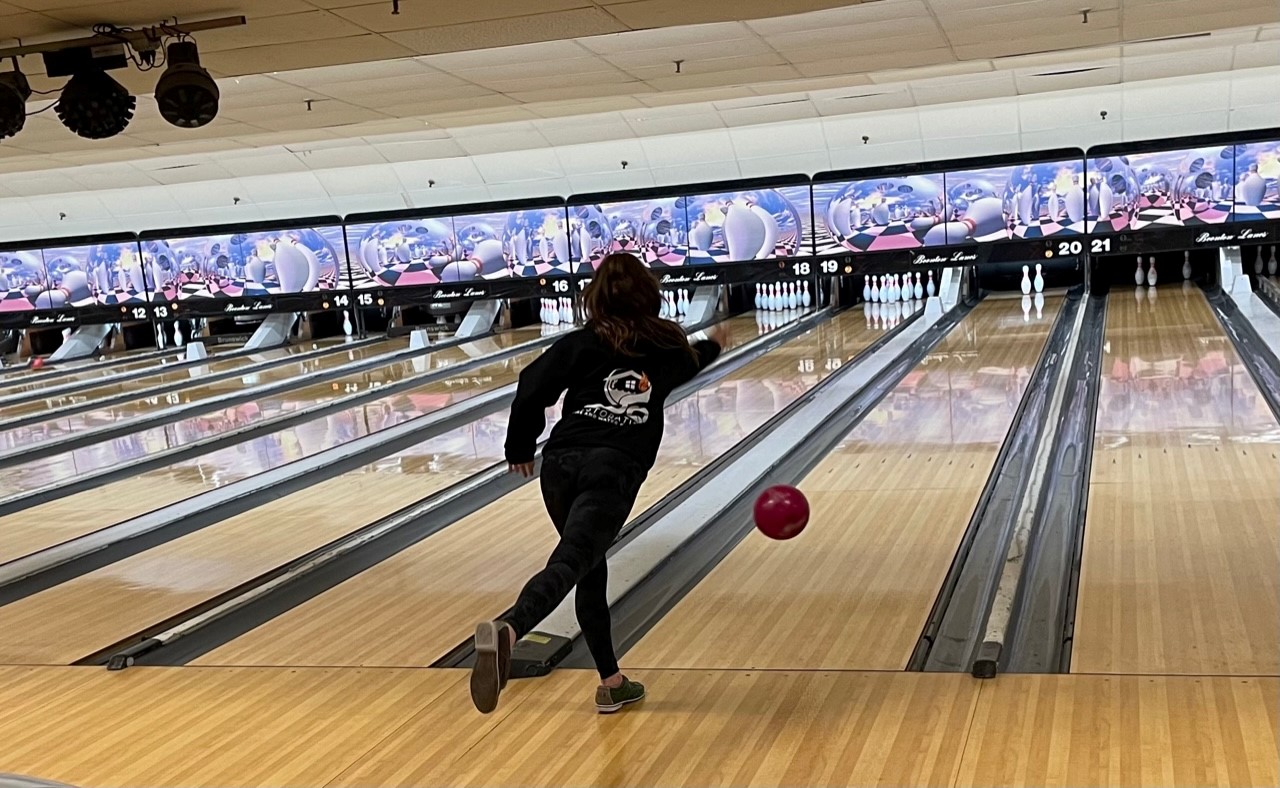
  • Bowling Night
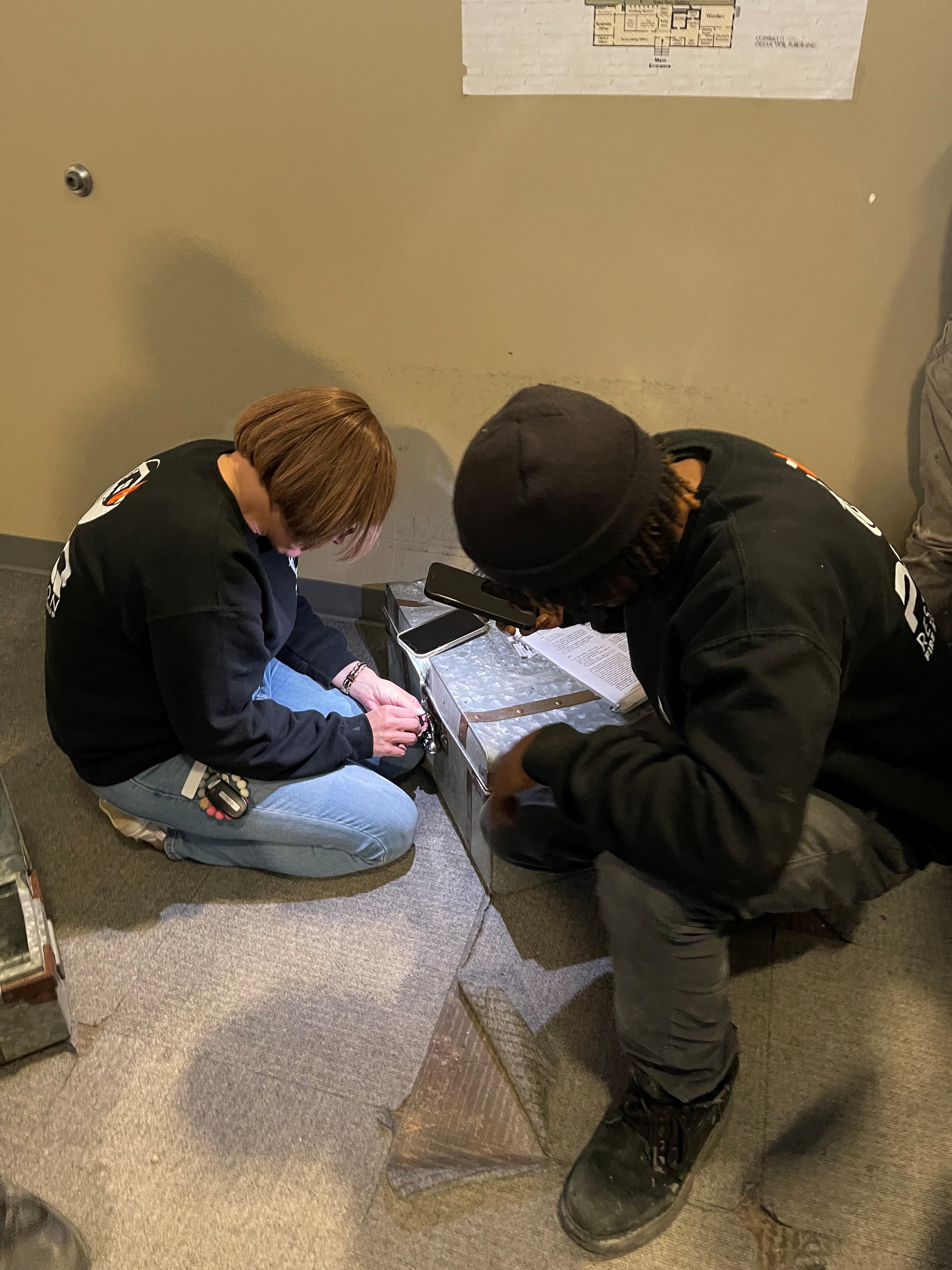
  • Escape Room

  • Easter Egg Hunt

  • Sweet 16 Basketball

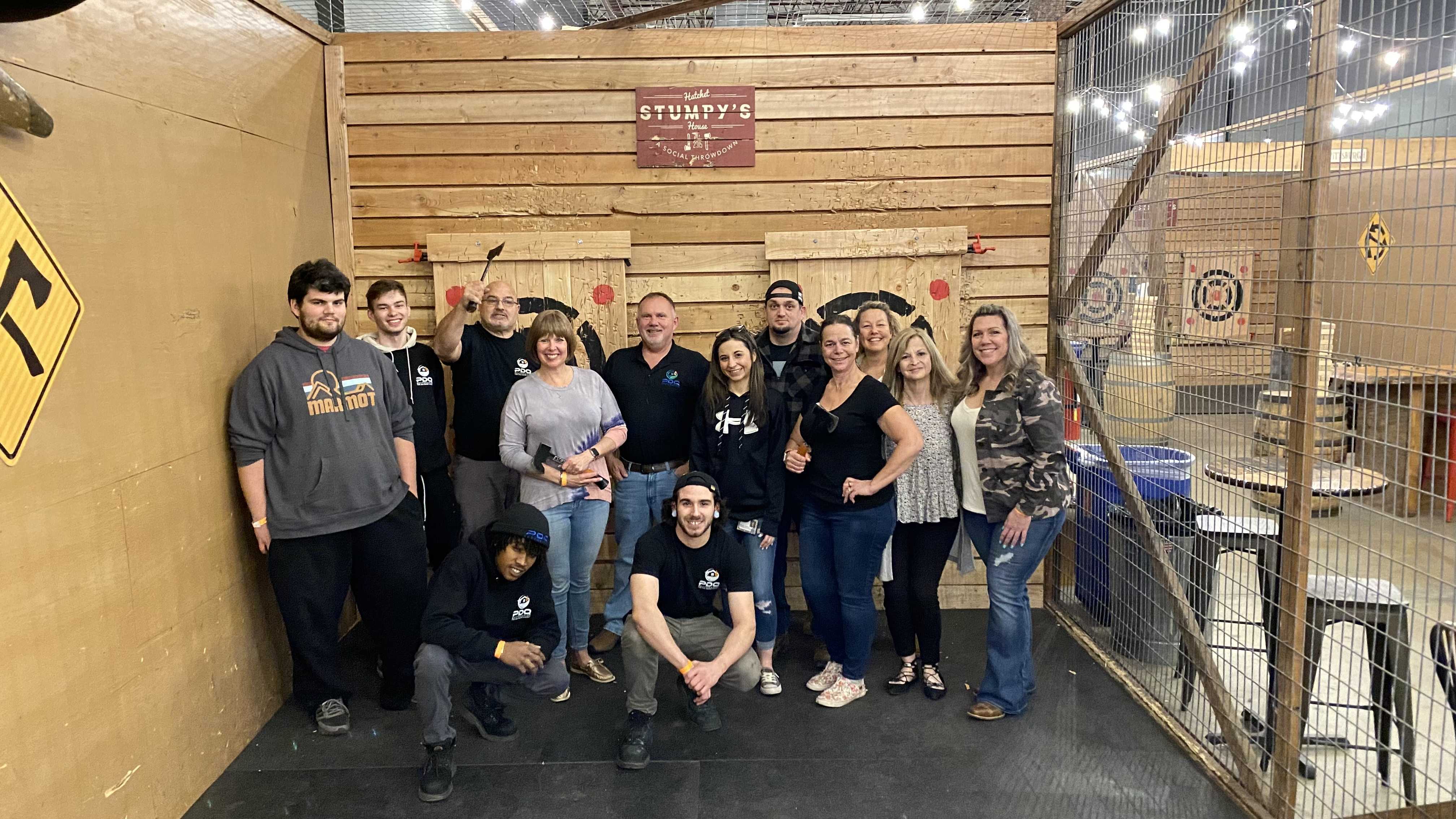
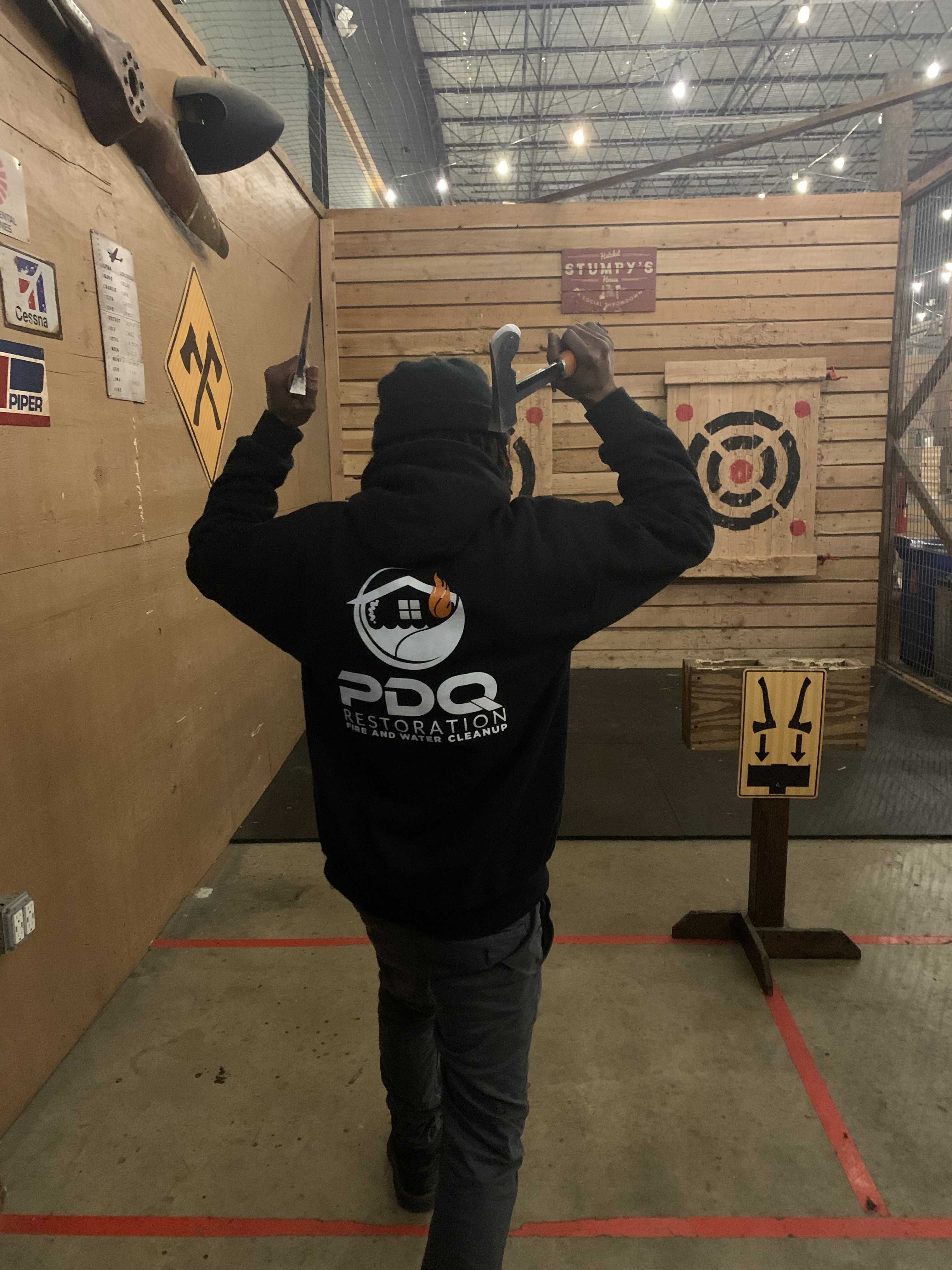
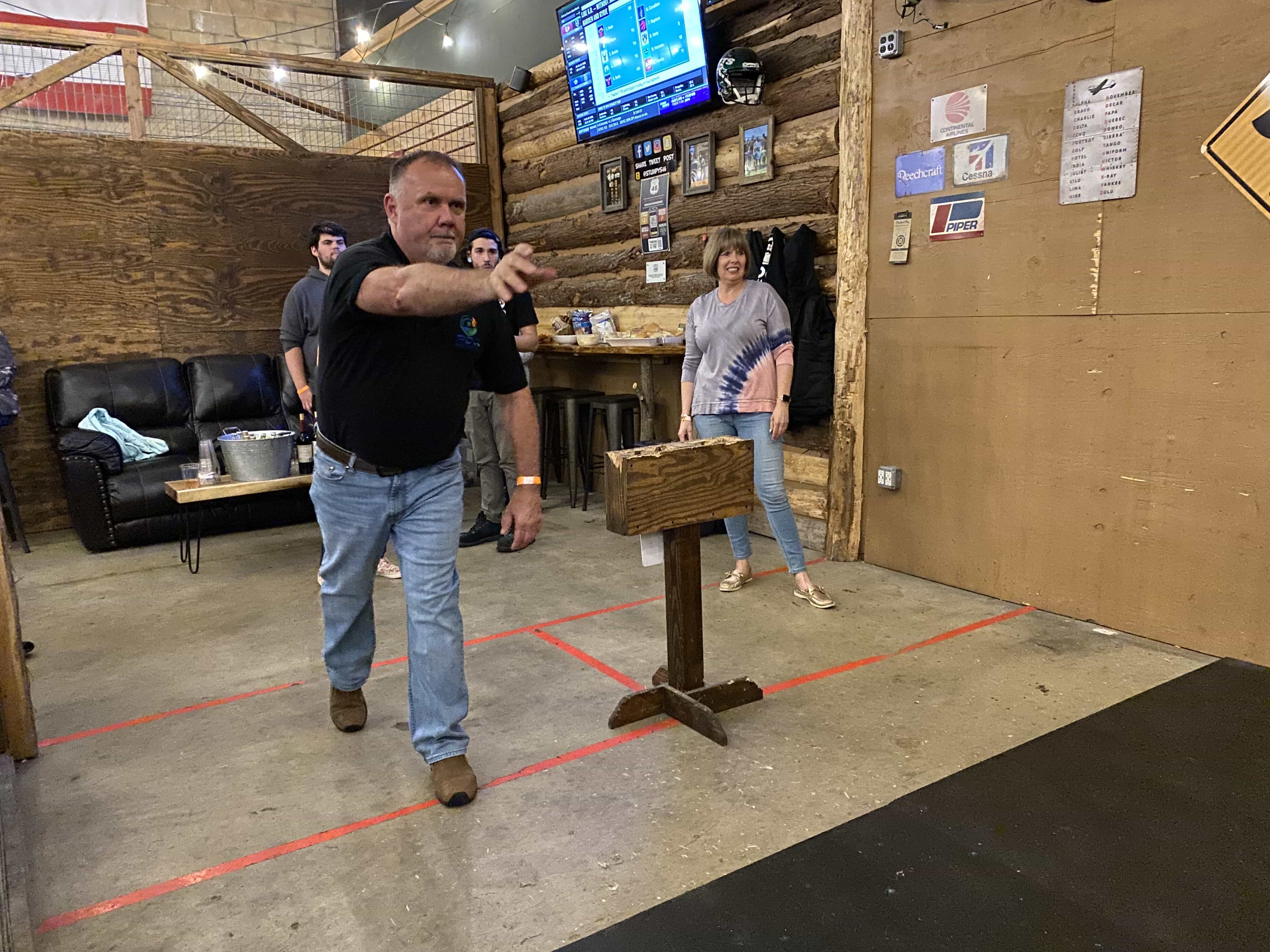
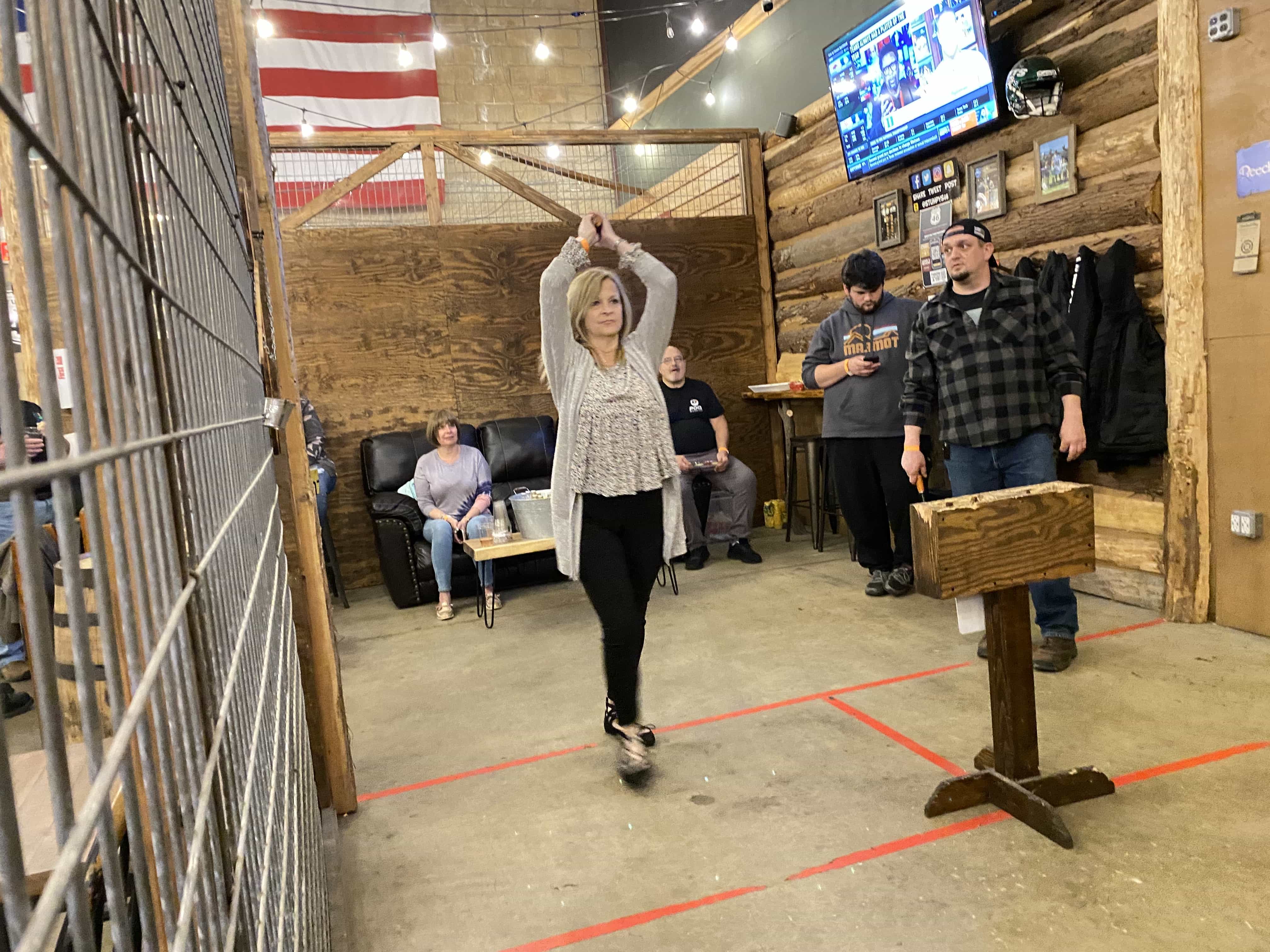
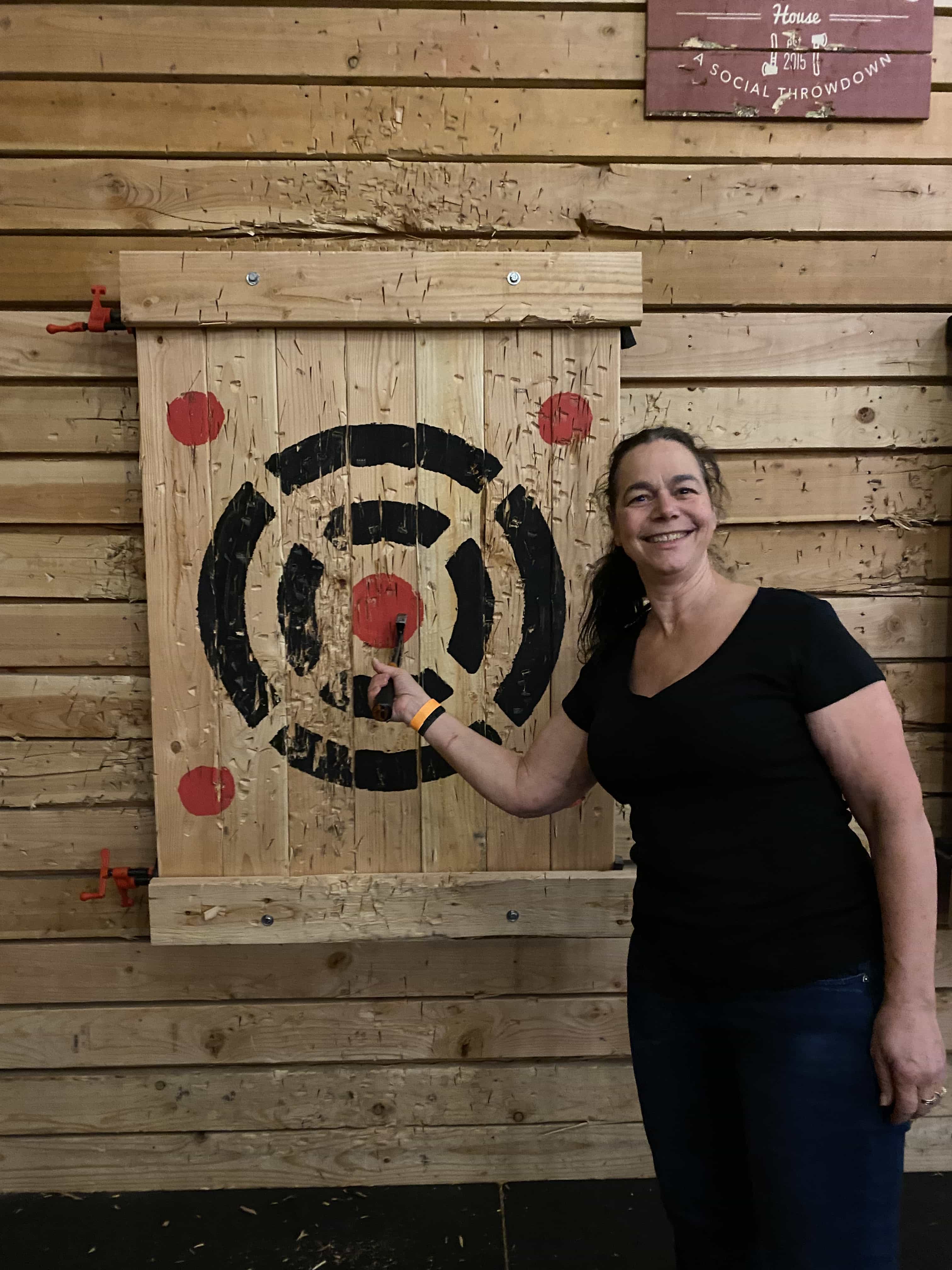
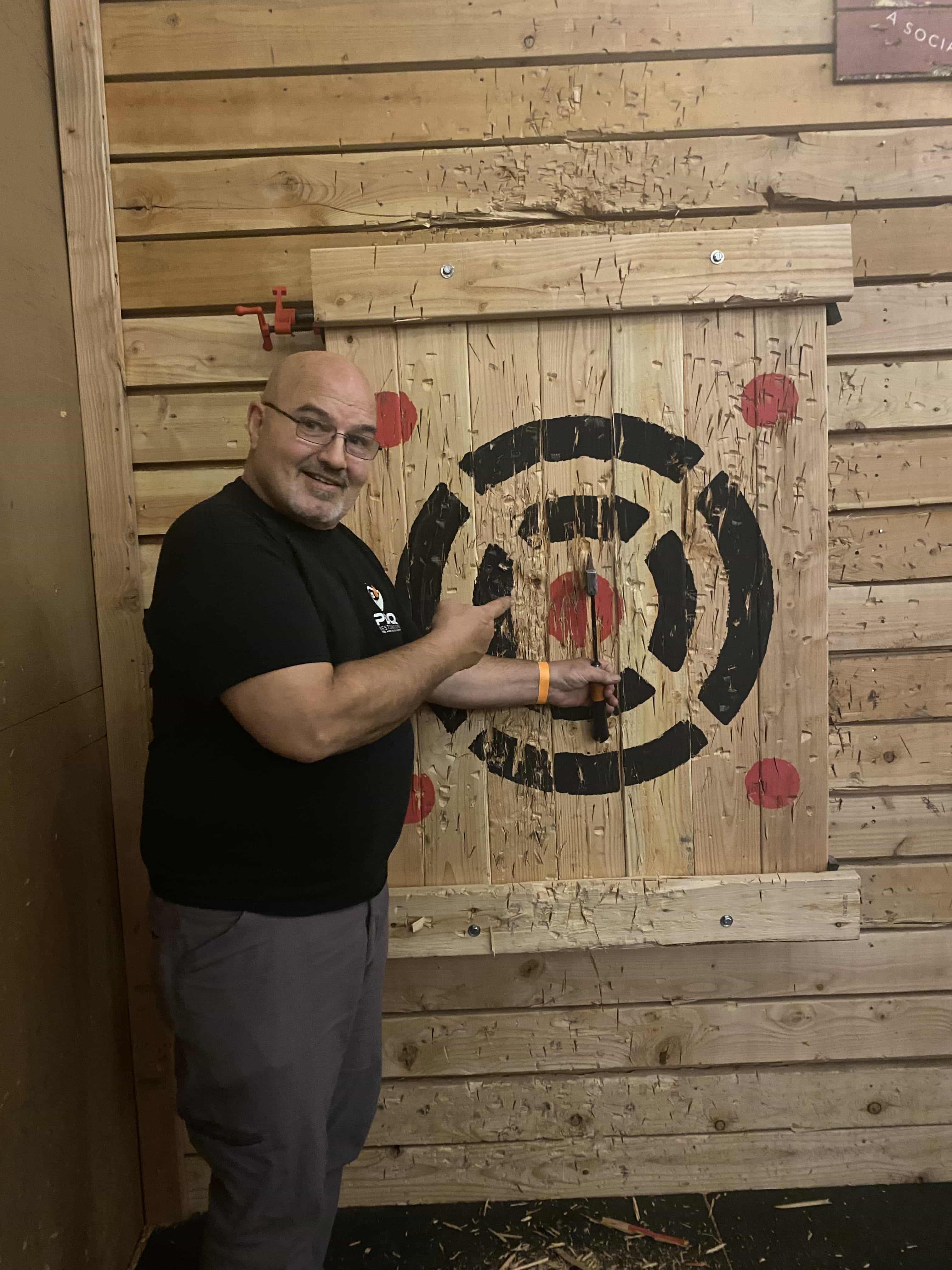
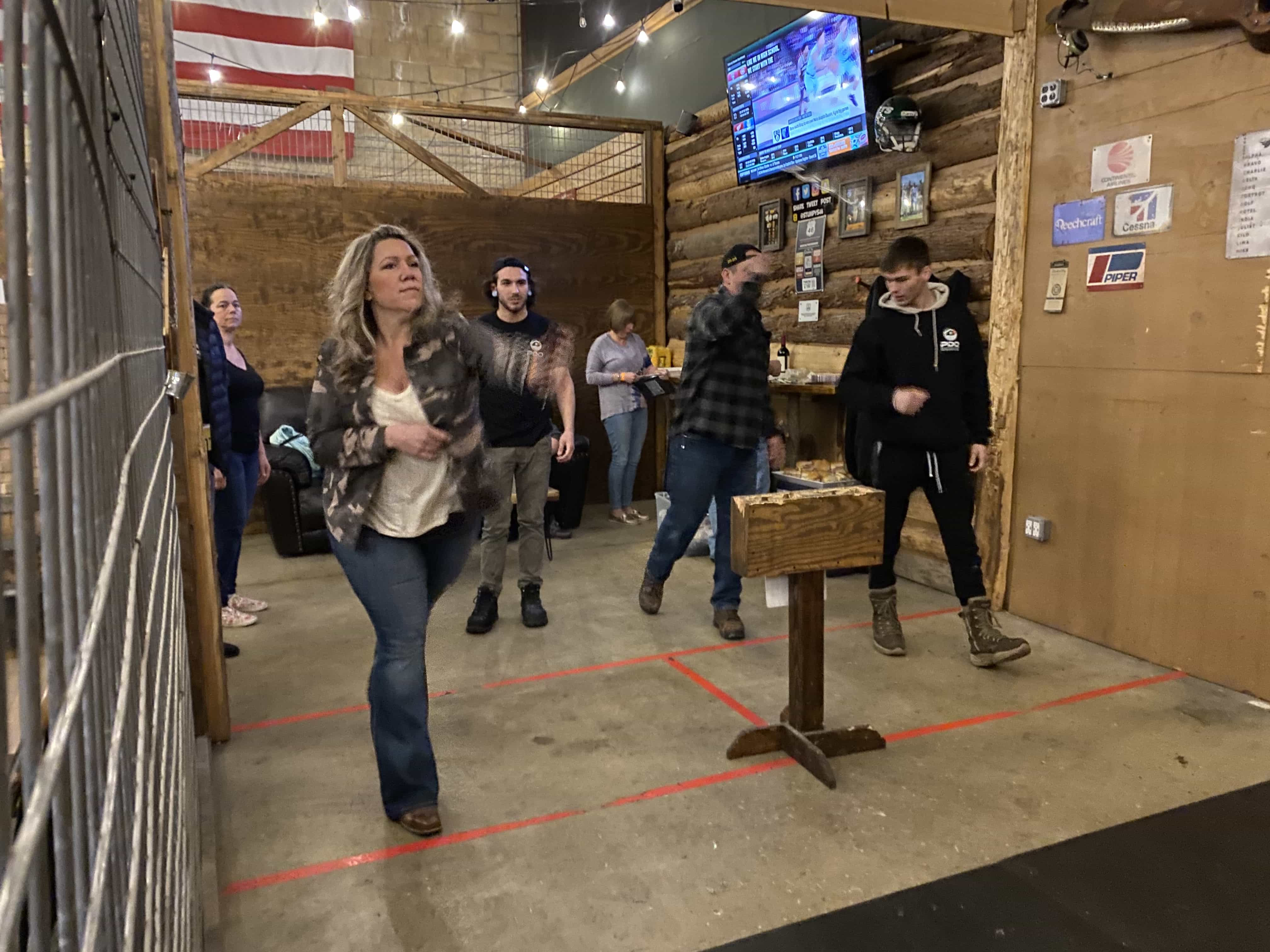
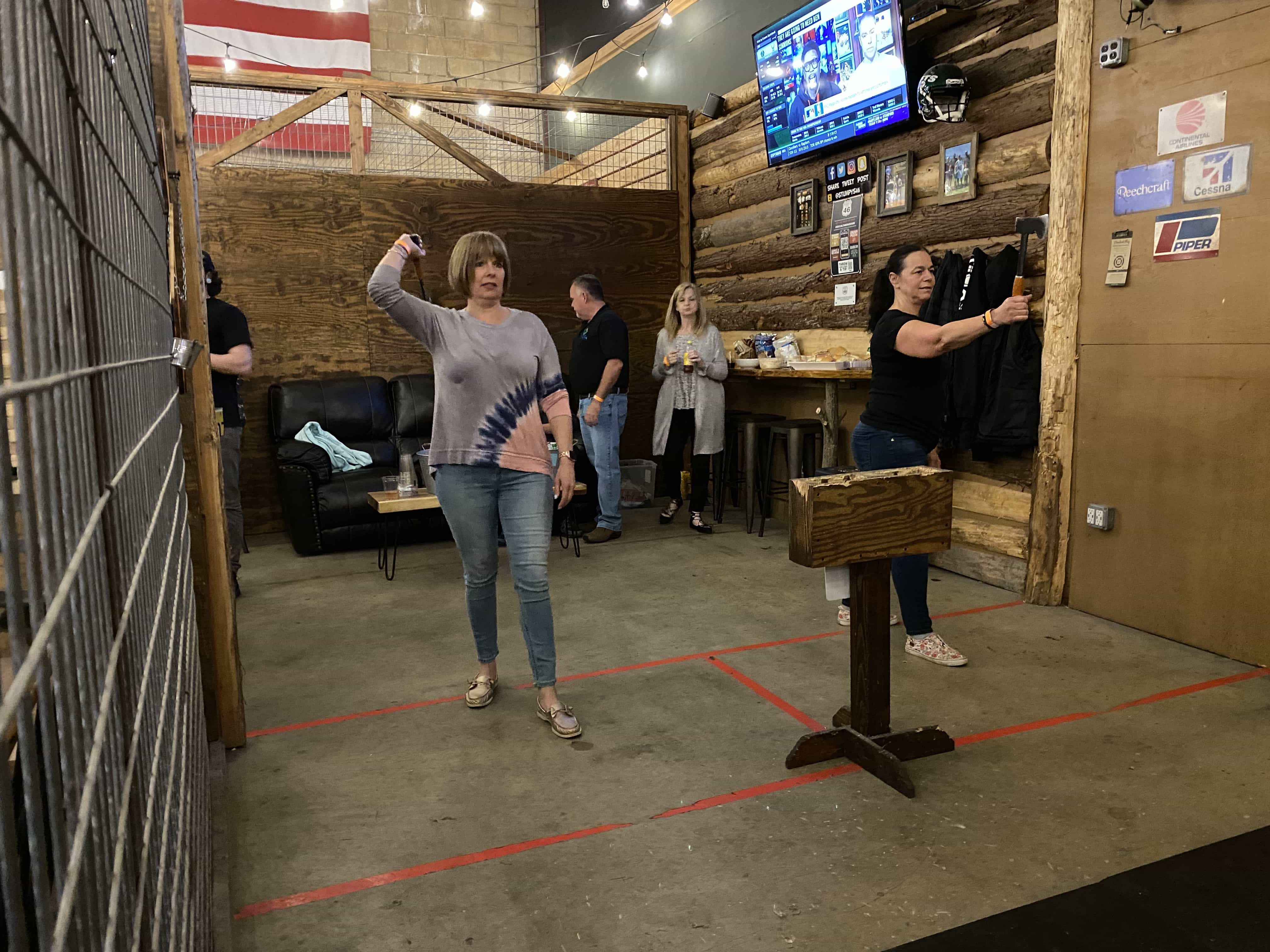
  • Ax Throwing at Stumpy's

  • Murder Mystery Night

  • White Elephant

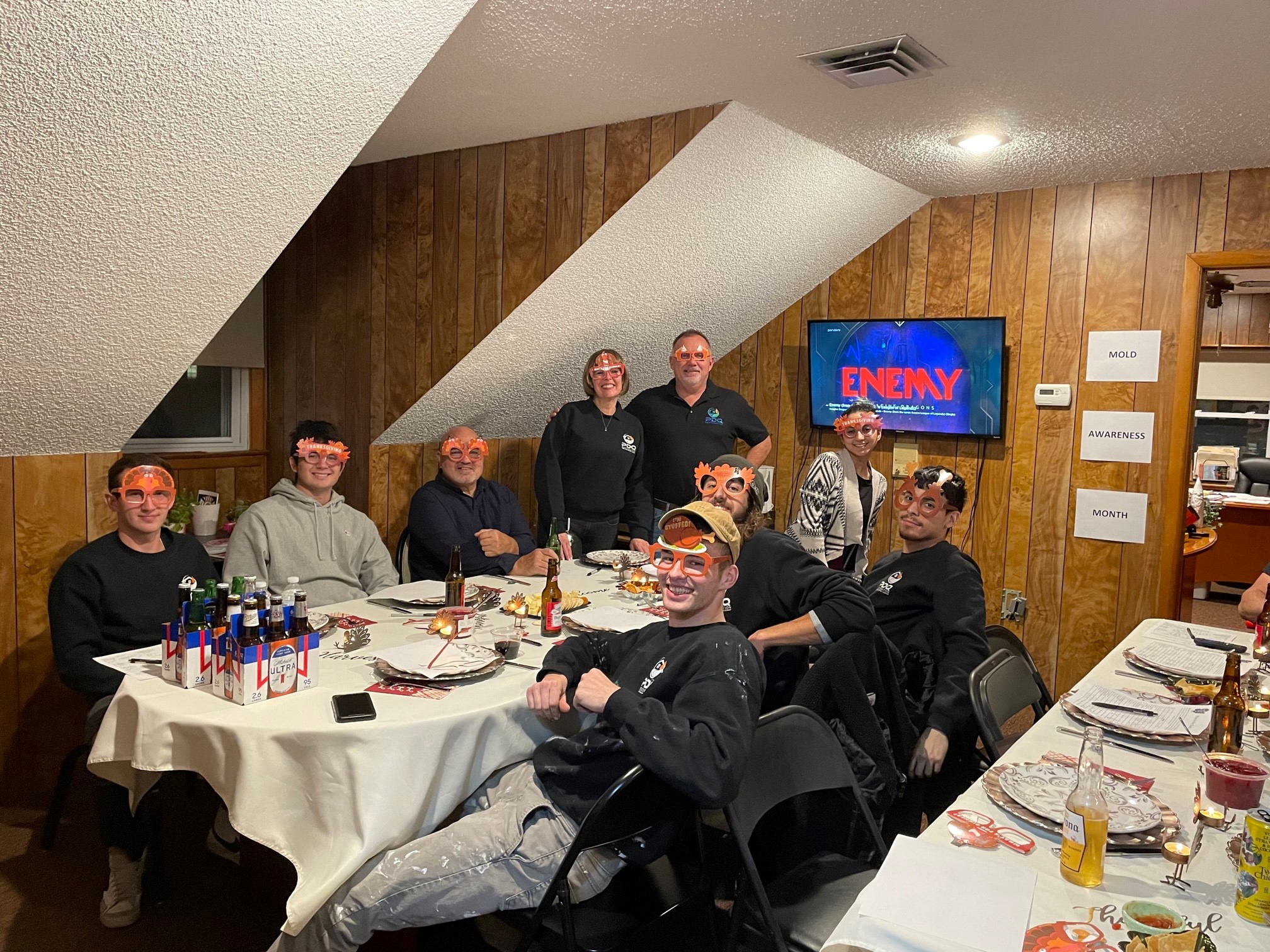
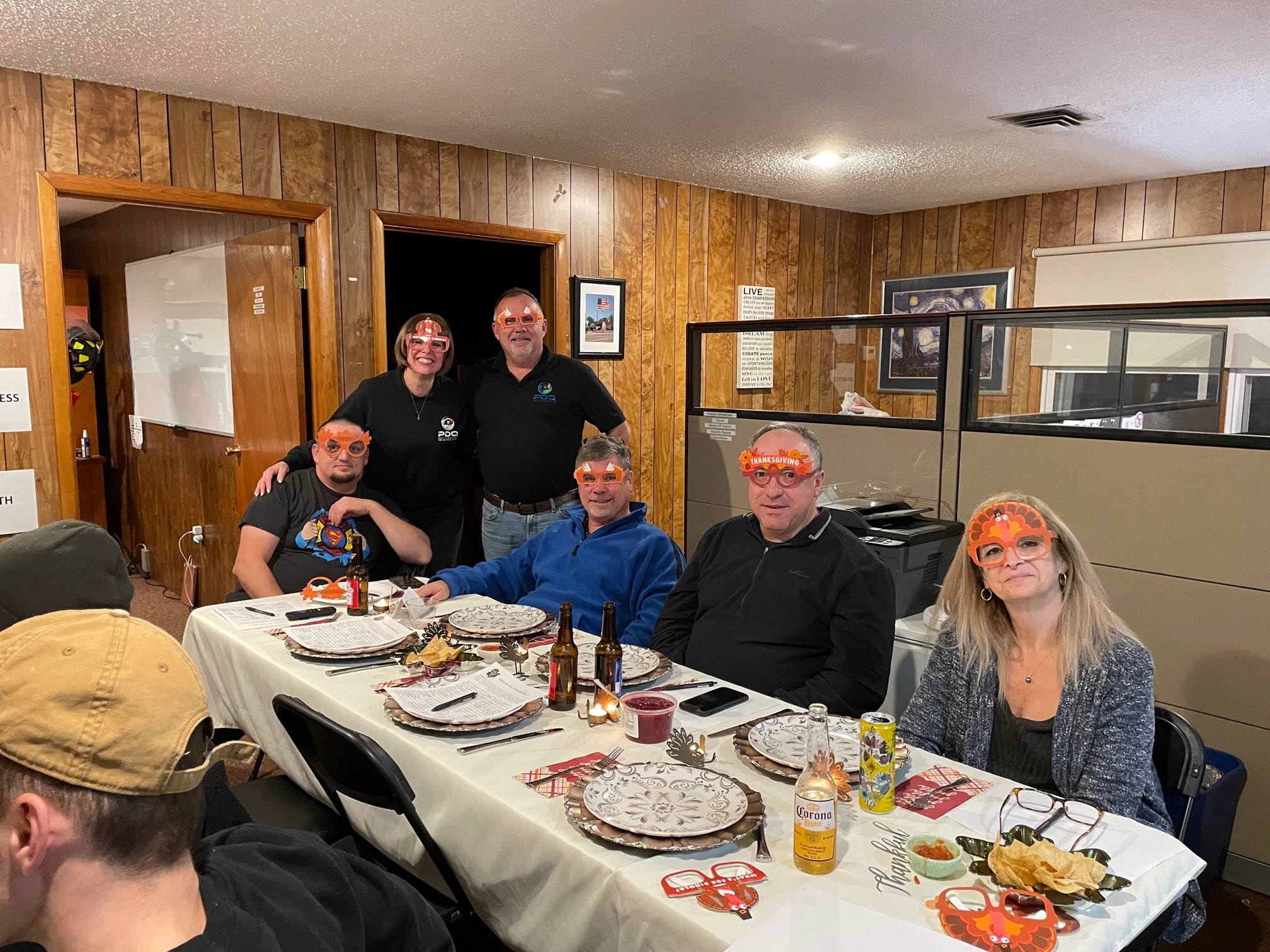
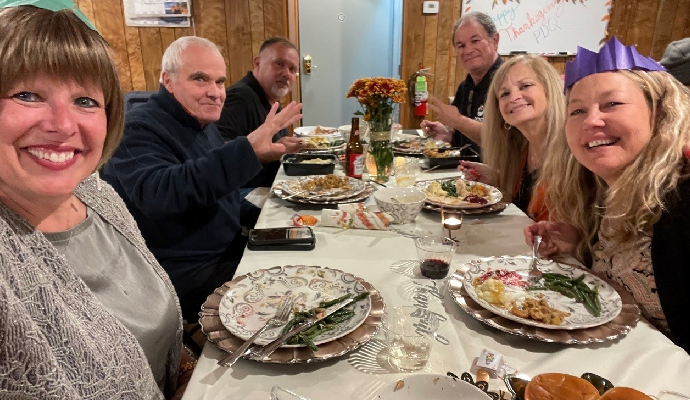
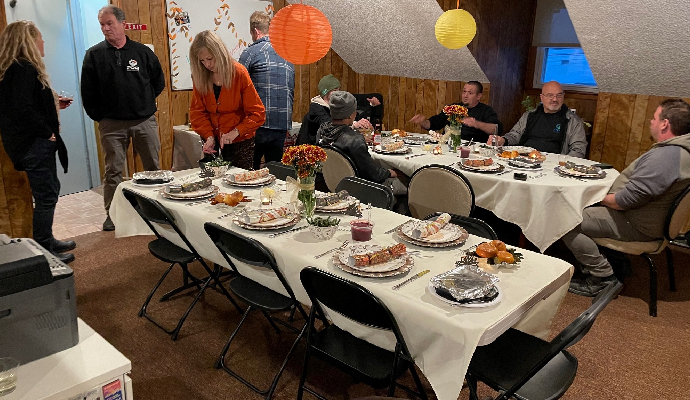
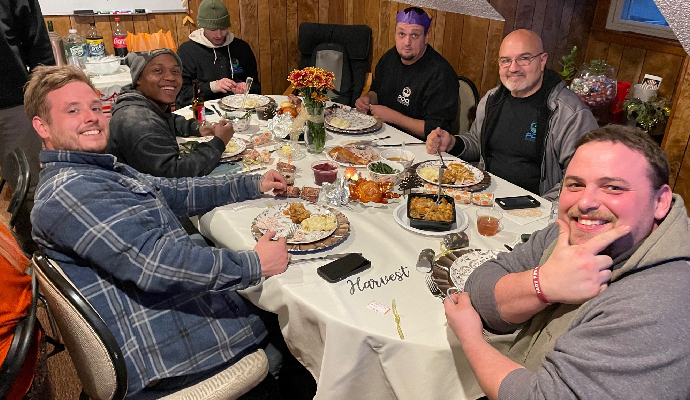
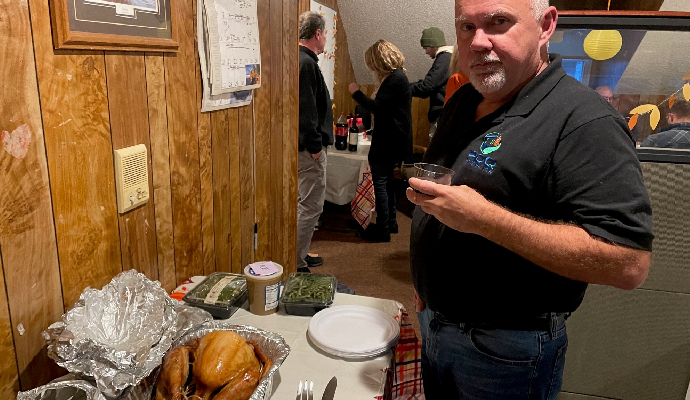
  • Thanksgiving Dinner at PDQ

  • Dinner at The Reservoir Tavern

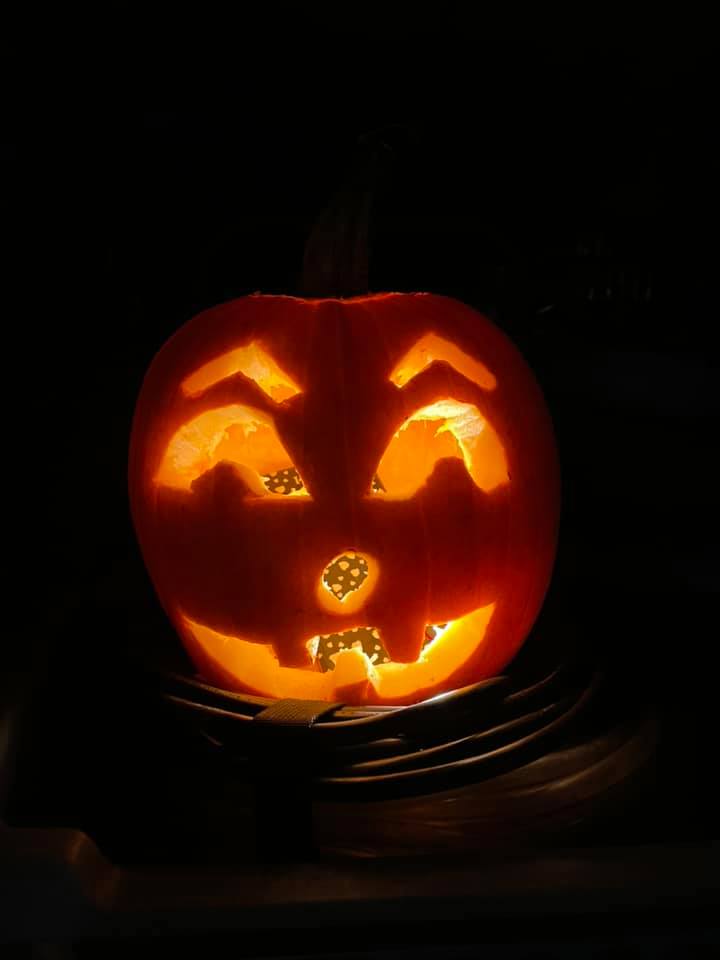
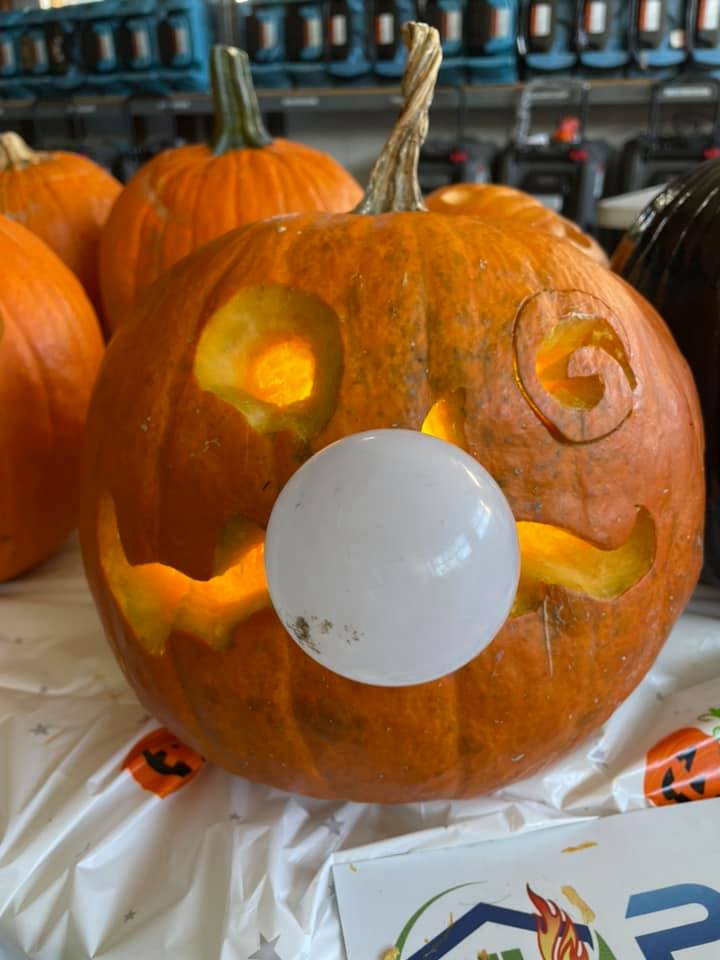
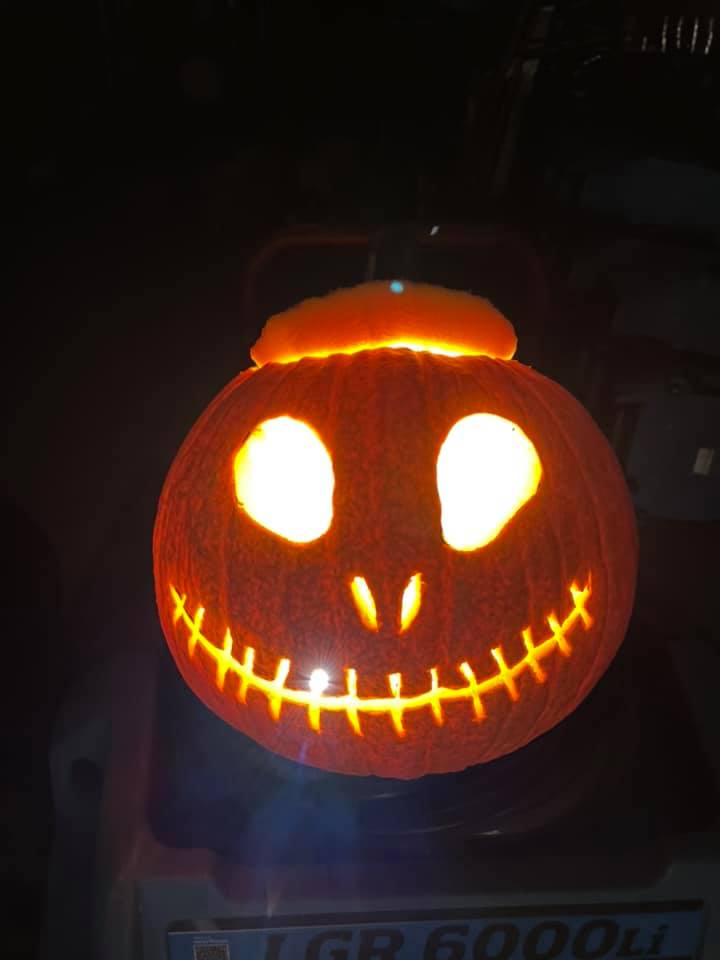
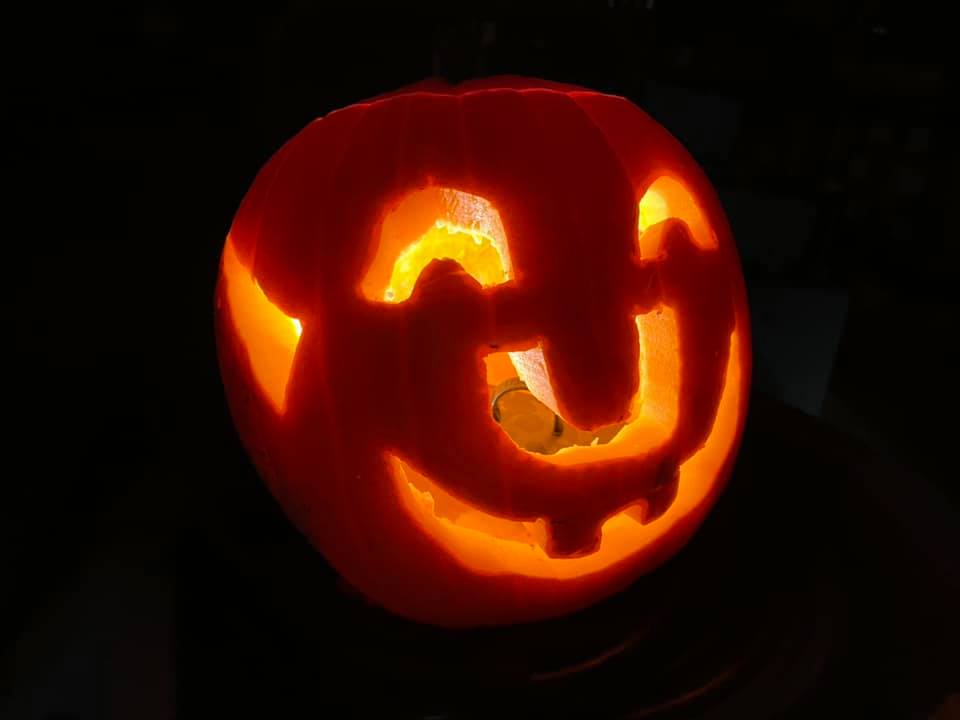
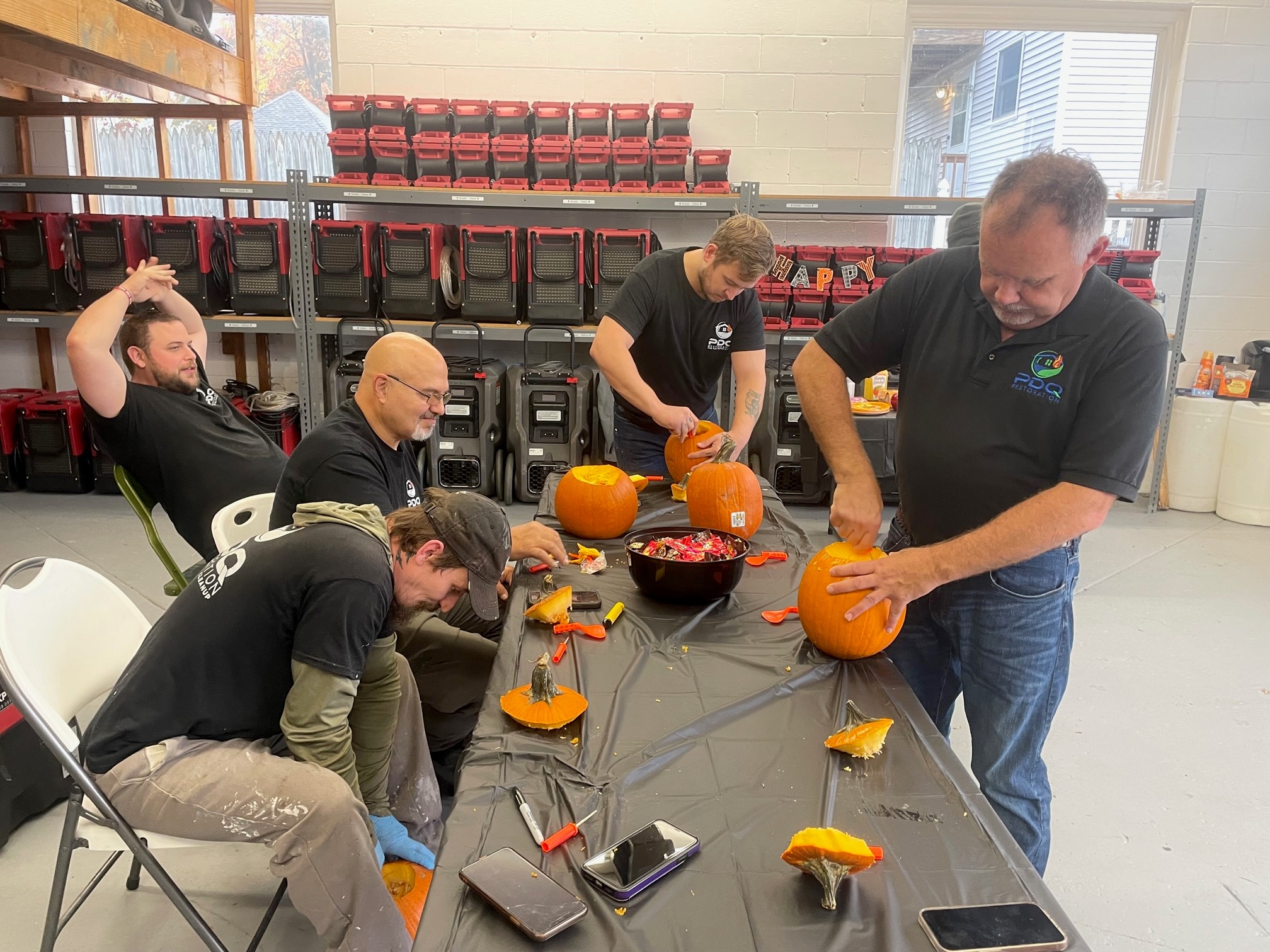
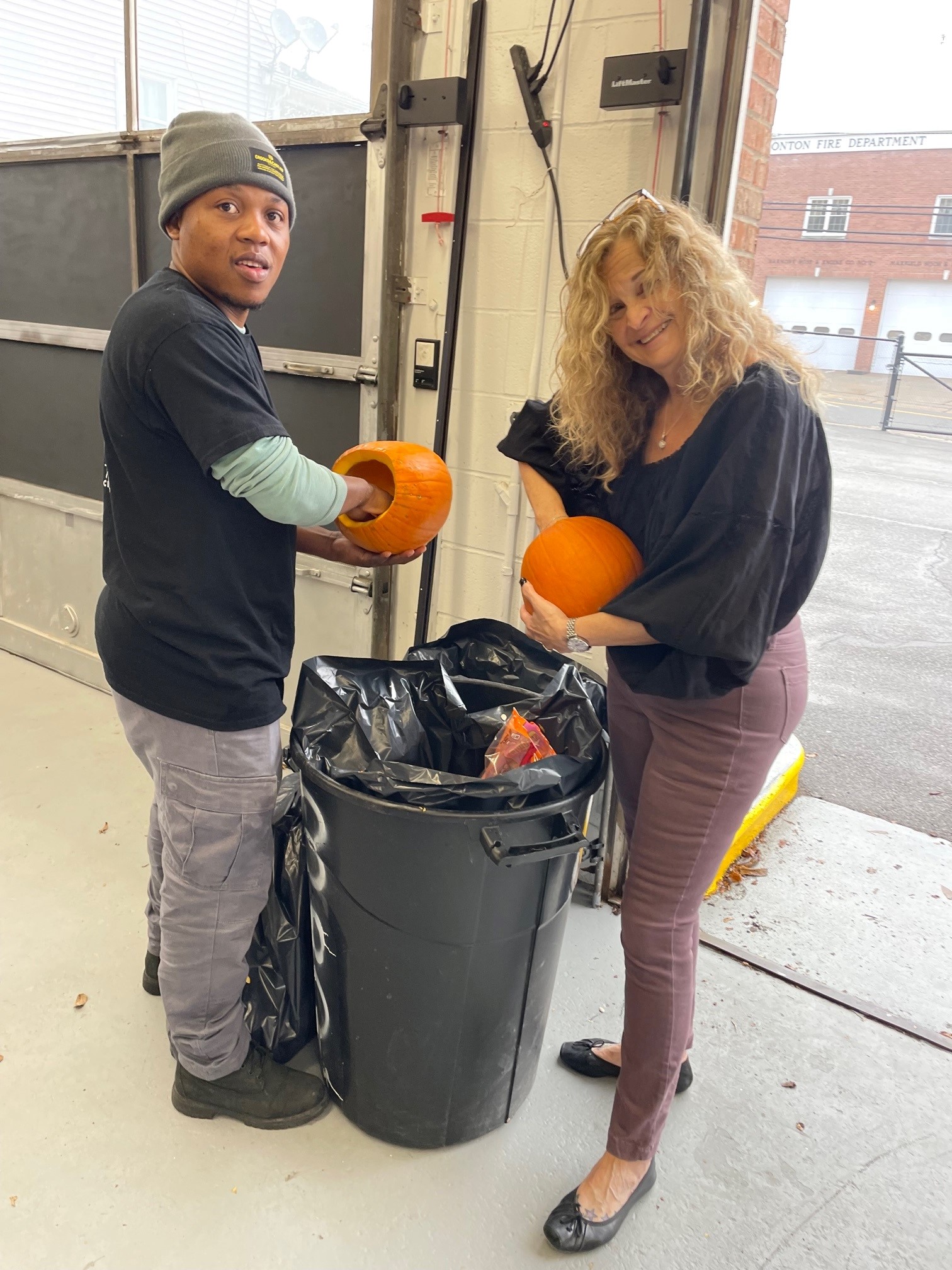
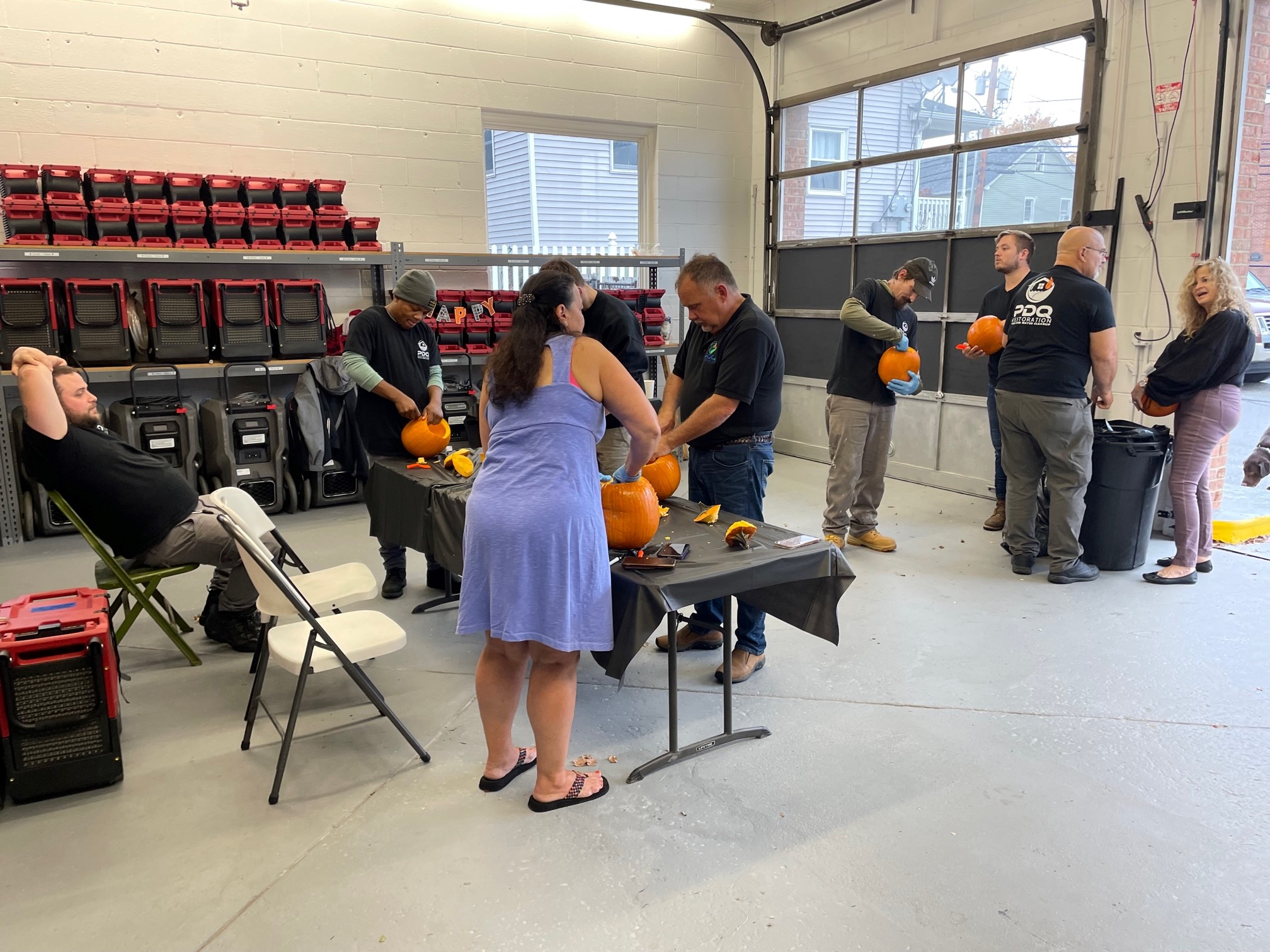
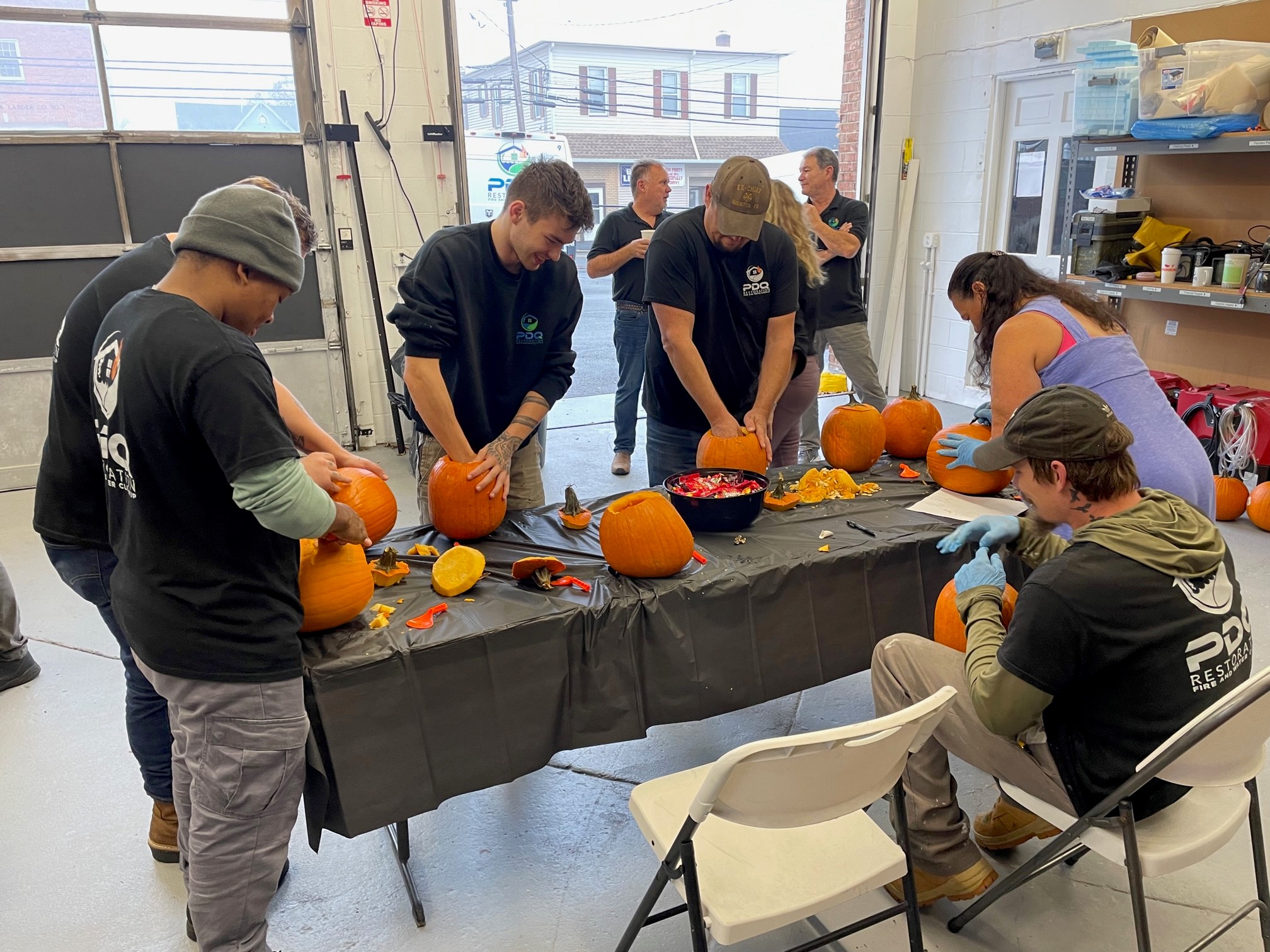
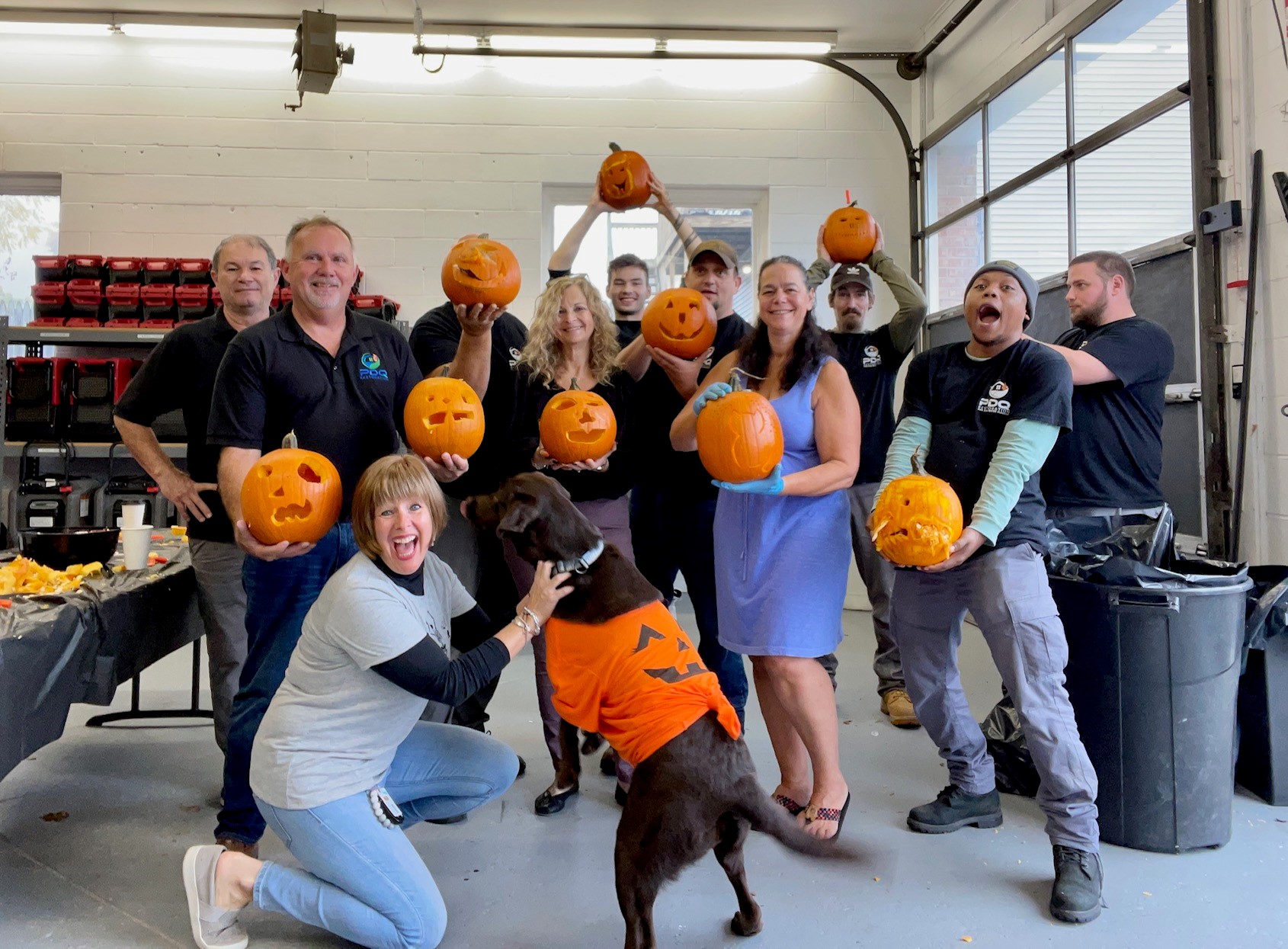
  • Jack-o-Lantern Contest
  • Bowling night Bowlers
  • Halloween Jack-o'-lanterns