What to Do Immediately After Water Damage: A Step-by-Step Emergency Response Guide
Covers urgent actions homeowners should take after a burst pipe, appliance leak, or flooding event. Includes safety precautions, water shut-off tips, and how to minimize structural damage before professionals arrive.
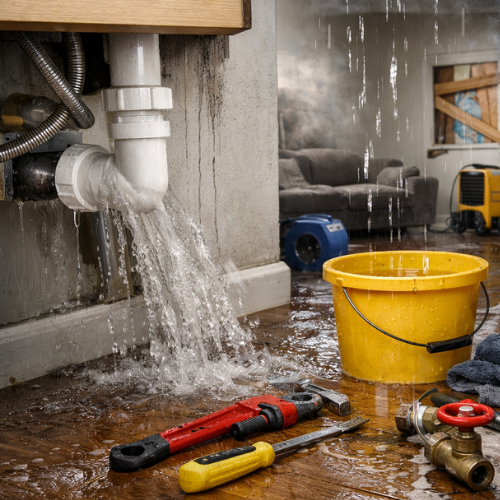
What to Do Immediately After Water Damage
When water intrusion affects a home or business, taking immediate action is critical to minimize damage and begin the water damage restoration process. Whether caused by a burst pipe, appliance leak, or flooding event, standing water can quickly seep into floors, walls, and structural materials. The longer moisture remains, the greater the risk of mold growth, wood rot, and costly structural deterioration. Acting quickly helps reduce secondary damage and improves the chances of a full recovery. Homeowners who understand the proper emergency response steps can significantly limit the impact of water damage before professional help arrives.
Step-by-Step Emergency Response Guide
1. Ensure Safety First
Before entering the affected area, check for electrical hazards, contaminated water, or structural instability. If necessary, shut off electricity to prevent shock risks.
2. Stop the Water Source
Locate and shut off the main water supply immediately. This is essential in cases of burst pipes, appliance leaks, or plumbing failures to prevent ongoing water intrusion.
3. Begin Water Removal
Remove standing water using mops, towels, or a wet vacuum. Fast water extraction helps reduce saturation and limits damage to flooring, drywall, and insulation.
4. Protect Belongings
Move furniture, rugs, electronics, and personal items to a dry area. This prevents further water absorption and protects valuables from permanent damage.
5. Increase Airflow and Start Drying
Open windows and doors to promote ventilation. Use fans and dehumidifiers to accelerate evaporation and begin the structural drying process.
6. Inspect for Hidden Moisture
Check walls, ceilings, and floors for signs of water intrusion such as discoloration, warping, or soft spots. Hidden moisture can lead to mold growth if not properly addressed.
7. Document the Damage
Take photos and notes of all affected areas for insurance purposes. Proper documentation supports water damage insurance claims and restoration planning.
Why Fast Action Matters
Immediate response within the first 24–48 hours is essential to prevent mold growth and further structural damage. Water can quickly penetrate porous materials like drywall, insulation, and wood flooring, making thorough drying more difficult over time. Delayed action often leads to increased restoration costs and potential health risks due to microbial growth. By following these emergency steps, homeowners can stabilize the situation and prepare for professional water damage restoration services.