What Really Happens During a Biohazard Cleanup? Behind the Scenes of Professional Restoration
When a traumatic event occurs—such as a violent assault, unattended death, or hazardous material spill—professional biohazard cleanup is essential to ensure safety, restore the environment, and provide peace of mind. Services like trauma cleanup, suicide cleanup, blood cleanup, and crime scene cleanup require trained specialists who follow strict protocols to eliminate health hazards and contaminants. Here's a plain-text breakdown of what really happens during a professional biohazard cleanup.
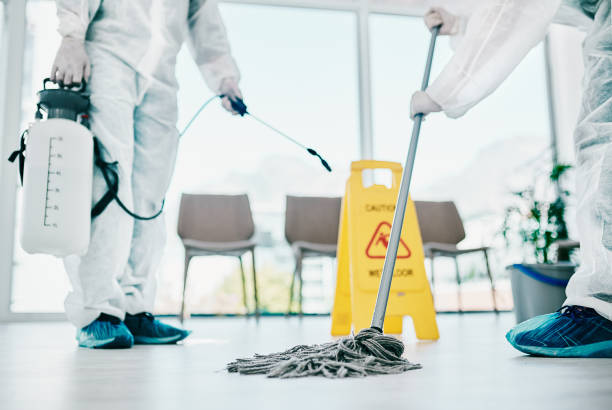
Step 1: Assessment and Planning
Certified biohazard cleanup teams begin by evaluating the entire scene. They determine the extent of contamination, assess potential hazards, and create a customized remediation plan. Whether the job involves crime scene cleanup, trauma cleanup, or suicide cleanup, this initial step helps ensure a safe and efficient process.
Step 2: Containment and Hazard Control
To prevent contamination from spreading, technicians seal off the affected area. Air scrubbers and physical barriers are set up to isolate biohazard zones. This is a critical safety step in all biohazard cleanup efforts, including complex blood cleanup or unattended death scenarios.
Step 3: Biohazardous Material Removal
Technicians wear personal protective equipment (PPE) and use specialized tools to remove blood, bodily fluids, and other biohazardous materials. Proper blood cleanup and trauma cleanup require that all contaminated materials are handled and disposed of according to OSHA’s Bloodborne Pathogens Standard (https://www.osha.gov/bloodborne-pathogens).
Step 4: Deep Cleaning and Sanitization
Next, the team sanitizes every affected surface with hospital-grade disinfectants and enzyme cleaners. This phase is crucial for thorough biohazard cleanup and effective suicide cleanup. CDC-approved infection control procedures are followed to eliminate all pathogens (https://www.cdc.gov/infectioncontrol/).
Step 5: Odor Removal and Air Purification
To address the lingering smell often associated with decomposition or trauma, professionals use ozone machines and hydroxyl generators. These tools are especially effective during crime scene cleanup and unattended death remediation.
Step 6: Final Inspection and Restoration
Once all cleaning is complete, technicians conduct a final inspection. Some cases require minor restoration work like repainting walls or replacing flooring. This final step ensures that the area is safe and habitable. Cleanup teams also perform ATP testing, following guidelines like the IICRC S540 Standard for Trauma and Crime Scene Cleanup.
Why Professional Help Matters
Attempting to handle biohazard situations without training can lead to serious health and legal consequences. Certified teams know how to perform safe and compliant blood cleanup, biohazard cleanup, crime scene cleanup, and suicide cleanup—providing not just results, but peace of mind.
Need Immediate Help?
PDQ Restoration offers 24/7 biohazard cleanup assistance. Whether you're dealing with trauma cleanup, suicide cleanup, or crime scene cleanup, our expert team is ready to respond quickly and with compassion. Call us today to schedule a consultation and get the professional care you need.