Wet Insulation After Water Intrusion: Assessment and Remediation Methods
Water intrusion from sources like roof leaks, burst pipes, or severe flooding can cause widespread damage behind walls, ceilings, and attics—often going unnoticed until secondary problems emerge.
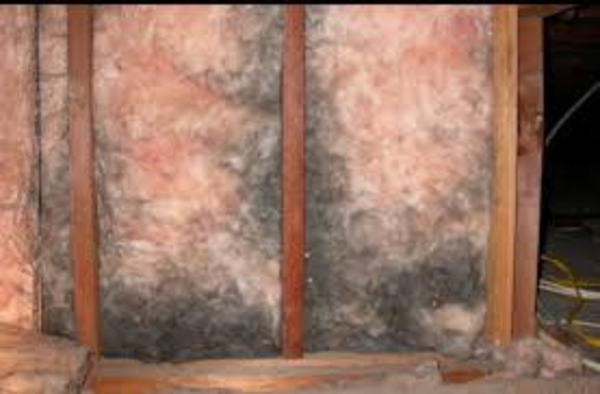
One of the most vulnerable materials in these scenarios is insulation, which acts as a thermal barrier but can become a hidden trap for moisture. When insulation becomes saturated, it loses effectiveness, harbors mold, and can severely impact indoor air quality and energy efficiency. Addressing wet insulation water damage quickly and thoroughly is critical for the health, safety, and comfort of any building. At PDQ Restoration, we specialize in fast, dependable, and expert-level insulation moisture removal and remediation following water intrusion events.
Types of Insulation Commonly Affected
Not all insulation reacts to water the same way. Here’s how different types typically respond to moisture:
- Fiberglass Batts: Common in walls and attics, fiberglass insulation can absorb and hold water, reducing its R-value. If left wet, it may foster mold and must usually be replaced.
- Blown-in Cellulose: Made from recycled paper, this type is highly absorbent and becomes a breeding ground for mold when exposed to moisture. It nearly always requires removal and replacement after attic insulation water damage.
- Spray Foam Insulation: Closed-cell spray foam is water-resistant and can often withstand light moisture without replacement. However, open-cell foam absorbs water and may conceal moisture behind walls, making professional assessment vital.
- Rigid Foam Board: Generally water-resistant, but seams and gaps can allow water to seep in. These boards may survive minor exposure but should be inspected for hidden moisture behind or beneath.
Each material requires a tailored water-damaged insulation repair strategy based on its absorption characteristics and installation location.
Signs of Wet Insulation After Water Intrusion
Wet insulation isn’t always immediately visible, but the following indicators often signal a hidden issue:
- Sagging ceilings or discolored drywall
- Persistent musty odors, especially in basements or attics
- Unusual cold spots in walls or a spike in energy bills
- Visible mold, mildew, or water staining
These symptoms require prompt attention to prevent structural deterioration and health hazards from mold from wet insulation.
Assessment Methods Used by Professionals
At PDQ Restoration, we use advanced tools and techniques to accurately detect moisture within building cavities:
- Moisture Meters: Identify elevated moisture levels in insulation and framing.
- Infrared Cameras: Use thermal imaging for water damage to reveal cold, wet areas hidden inside walls and ceilings.
- Physical Inspection: Opening small access points or removing wall panels, particularly in attics or basements, to inspect insulation directly.
This data-driven approach ensures a comprehensive understanding of the extent of water intrusion in walls and insulation.
Remediation Steps and Safety Considerations
Effective remediation requires a systematic and safety-first process:
- Safe Removal: All saturated and mold-affected insulation is carefully removed using protective equipment to prevent contamination spread.
- Structural Drying: Industrial fans, dehumidifiers, and negative air machines ensure complete drying of framing and cavities.
- Mold Remediation: Certified specialists remove microbial growth and apply antimicrobial treatments to prevent recurrence.
- Material Replacement: New, dry, energy-efficient insulation is installed to restore thermal protection.
- Drywall & Structure Restoration: Damaged building materials are repaired or replaced, returning the space to pre-loss condition.
Proper remediation not only restores comfort but also ensures long-term safety and performance.
Preventing Future Water Intrusion
Preventative measures are crucial to avoid repeat incidents:
- Maintain Roofing & Plumbing: Regular inspections and prompt repairs help prevent leaks.
- Install Moisture Barriers: Use vapor retarders in crawlspaces, basements, and attics.
- Leak Detection Systems: Smart sensors and shutoff valves offer real-time alerts in high-risk areas.
These strategies reduce the risk of future insulation water damage and mold issues.
If you suspect or discover wet insulation water damage in your home or property, don’t delay. Contact PDQ Restoration for fast, professional assessment and water-damaged insulation repair. Our experts use cutting-edge tools like thermal imaging for water damage and follow proven insulation moisture removal protocols to ensure your space is safe, dry, and energy-efficient.