Understanding the Biohazard Cleanup Process: What to Expect
When a serious incident leaves behind dangerous contaminants, trained specialists step in to perform biohazard cleanup. Whether the scene involves crime scene cleanup, trauma cleanup, or a sensitive suicide cleanup, the goal is always the same: remove hazards, disinfect every surface, and make the space safe for occupancy.
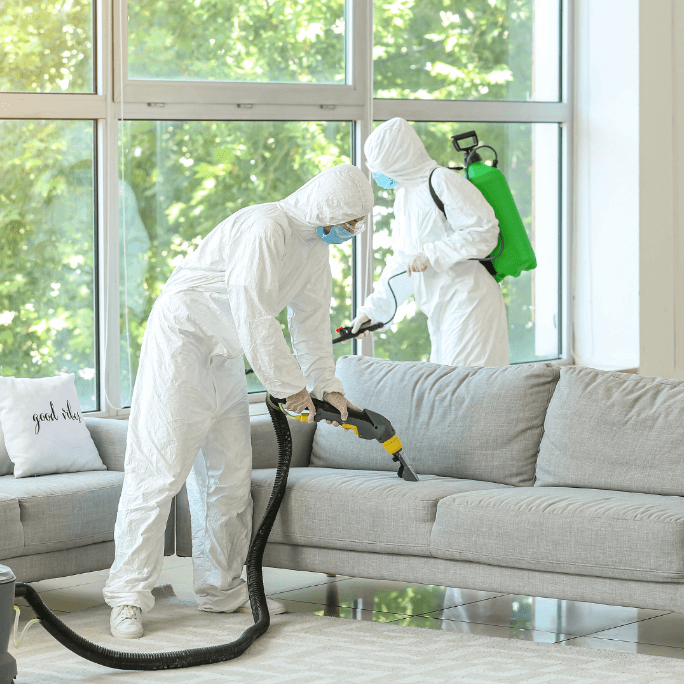
What Is Covered During Professional Cleanup?
-
Crime scene cleanup – elimination of blood, fingerprint powder, and forensic chemicals.
-
Trauma cleanup – rapid response after accidents to manage blood cleanup and bodily fluids.
-
Suicide cleanup – discreet, compassionate service that handles both emotional and biological risks.
-
Unattended-death remediation, sewage backups, hoarding situations, and infectious-disease outbreaks.
Authoritative guidance on handling blood-borne pathogens is available from the Centers for Disease Control and Prevention and the OSHA Bloodborne Pathogens Standard.
Step-by-Step Biohazard Cleanup Process
-
Assessment & Risk Evaluation
Certified crews evaluate contamination levels, structural impact, and disposal requirements before any blood cleanup begins. -
Securing & Containment
Technicians erect barriers and don full PPE to prevent cross-contamination—crucial for large-scale crime scene cleanup or multi-room biohazard cleanup projects. -
Hazard Removal & Decontamination
Using EPA-registered disinfectants, professionals extract fluids and porous materials. Proper blood cleanup techniques neutralize HIV, hepatitis, and other pathogens. -
Deep Cleaning & Odor Control
Hydroxyl generators, ozone treatments, and HEPA filtration erase lingering smells often associated with suicide cleanup or unattended deaths. -
Regulated Waste Disposal
All biohazardous waste is packaged, labeled, and transported in accordance with EPA and state rules. For best practices, see the EPA’s Medical Waste Management guidelines. -
Final Verification
Post-cleanup testing confirms that every surface meets safety standards outlined in the IICRC S540 Trauma & Crime Scene Cleanup Standard.
Why Hire Certified Professionals?
Attempting biohazard cleanup without proper training risks infection, structural damage, and legal penalties. Licensed teams:
-
Follow OSHA, EPA, and CDC regulations.
-
Use industrial-grade disinfectants suitable for rigorous trauma cleanup and blood cleanup tasks.
-
Provide 24/7 emergency response for crime scene cleanup and urgent suicide cleanup needs.
By trusting experienced technicians, property owners ensure comprehensive decontamination, regulatory compliance, and peace of mind after any traumatic event.