Restoring Smoke-Damaged Drywall: Inspection and Repair Guidelines
When fire strikes a property—even a small one—the impact on drywall can be significant. Smoke and soot damage drywall surfaces by seeping into porous materials, leaving behind lingering odors, discoloration, and residue. Immediate and professional smoke damage restoration is critical not only for cosmetic reasons, but to maintain air quality and protect the structural integrity of your space.
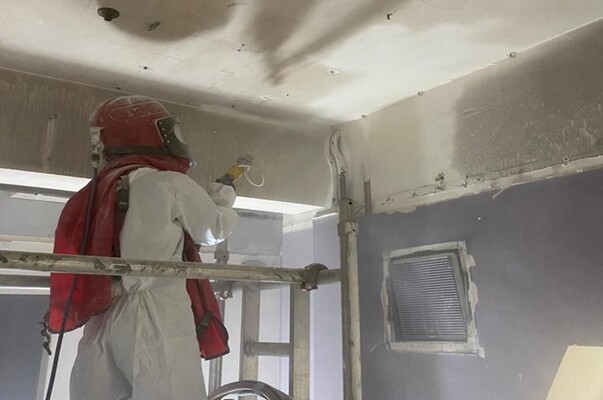
This guide walks through the inspection, cleaning, and repair procedures used by restoration professionals to ensure drywall is properly restored or replaced after fire damage.
How Smoke and Soot Affect Drywall Surfaces
Drywall is highly porous, making it vulnerable to:
- Odor absorption: Smoke particles penetrate deep into the drywall, embedding odors that can persist for months without treatment.
- Staining: Soot leaves behind yellowing or black marks that often bleed through paint.
- Residue buildup: Acidic soot can damage the drywall surface over time and contribute to poor indoor air quality if not removed.
Because the effects of smoke go beyond surface damage, professional intervention is needed to fully restore drywall and eliminate contaminants.
Drywall Inspection Procedures After Fire Damage
Certified smoke damage restoration technicians follow a detailed inspection protocol to determine the extent of damage:
- Visual Assessment: Technicians identify discoloration, surface residue, and signs of heat exposure.
- Odor Detection: Musty or acrid smells are traced to specific rooms or surfaces using trained judgment and specialized odor meters.
- Moisture and Residue Testing: In cases where water was used to extinguish the fire, moisture meters help assess whether drywall has also been compromised by water damage.
This inspection helps determine whether soot cleanup will suffice or if drywall replacement is necessary.
Cleaning and Odor Removal Methods for Smoke-Damaged Drywall
Once inspection is complete, restoration teams begin cleaning using industry-standard, multi-step methods:
Step-by-Step Cleaning Process:
- Dry Cleaning Sponges (Chemical Sponges): Remove dry soot from the surface without smearing it further into the material.
- HEPA Vacuuming: Extracts loose soot particles from walls, floors, and air vents using high-efficiency particulate air filters.
- Wet Cleaning (If Safe): For certain surfaces, mild detergents or alkaline solutions help lift embedded residue.
- Encapsulating Primers: Applied to stained drywall to seal in residual odor and prevent further staining during repainting.
In minor fire cases, these steps may be sufficient for complete smoke damage restoration.
When to Repair vs. Replace Smoke-Damaged Drywall
Drywall repair is possible when:
- Staining and odor are superficial
- No water damage or structural weakening is present
- The smoke exposure was brief or isolated
Drywall should be replaced when:
- Odors persist after cleaning
- The core of the material has absorbed smoke or moisture
- Charring, bubbling, or deep staining is visible
Professionals assess the scope of damage and make recommendations to ensure long-term safety and restoration quality.
Specialized Tools for Odor Removal
Even after physical cleaning, odor removal often requires advanced techniques to neutralize particles in the air and porous surfaces:
- Ozone Treatment: Breaks down smoke molecules but must be used in unoccupied spaces due to its strength.
- Hydroxyl Generators: Safe for occupied areas, these neutralize odors without the harshness of ozone.
- Air Scrubbers with HEPA Filters: Continuously filter the air to remove soot, allergens, and residual smoke particles during and after restoration.
These tools restore clean, breathable air and prevent future odor recurrence.
Why Hire a Certified Smoke Damage Restoration Professional?
Hiring a licensed, IICRC-certified restoration professional ensures:
- Safe handling of hazardous soot and debris
- Full compliance with air quality and safety standards
- Thorough cleaning using proven techniques and equipment
- Clear documentation for insurance claims
Restoring drywall after smoke damage is not a DIY task. It requires expertise to avoid hidden dangers, incomplete cleanup, and lingering health hazards.
Schedule a Professional Smoke Damage Evaluation Today
If your property has experienced smoke exposure—even from a minor fire—don't wait. Smoke and soot can continue damaging drywall and air quality long after the flames are gone.
Contact our certified fire damage repair team today for a comprehensive inspection and customized restoration plan. We’ll assess your drywall, eliminate smoke odors, and restore your space to a clean, safe condition—fast.