Insurance Coverage for Hoarding Cleanup Services: What Homeowners Need to Know
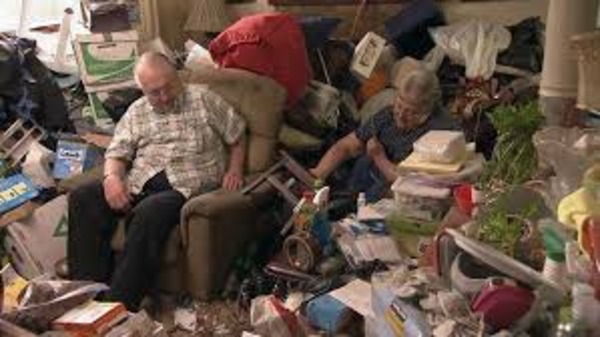
Hoarding is a deeply complex issue that extends far beyond clutter. It impacts not only mental health but also the safety and structural integrity of a home. In many cases, hoarded properties pose serious health hazards, including biohazard exposure, mold, and infestation. Cleanup often involves biohazard clean-up, hazardous waste removal, and decontamination services—tasks that go well beyond standard cleaning and into the realm of professional trauma and biohazard disposal.
For homeowners or family members facing this situation, one of the first questions is whether homeowners insurance covers hoarding cleanup. The answer isn’t always straightforward—but in certain cases, coverage may be available. In this guide, PDQ Restoration explains when insurance might apply, what services are typically covered, and how we support clients through every step of the claims process with compassion and discretion.
Does Homeowners Insurance Cover Hoarding Cleanup?
Short answer: Sometimes—depending on the cause and extent of the damage.
While homeowners insurance hoarding cleanup coverage is not guaranteed, many policies provide partial reimbursement if the hoarding situation results in insurable property damage. Common scenarios include:
- Fire or water damage caused by blocked vents, electrical hazards, or burst pipes obscured by debris
- Structural damage from mold, infestation, or long-term neglect
- Trauma clean-up following injury or death within a hoarded environment
- Biohazard clean-up if the site contains decomposing materials, animal waste, or bodily fluids
When a biohazard component is present, the cleanup is more likely to be classified as a necessary remediation—qualifying it for coverage under certain homeowner insurance policies.
What Insurance May Cover
If the hoarded property meets the criteria for insured damage, homeowners may receive reimbursement for services such as:
- Professional hoarding cleanup services: Labor and equipment for safe removal of debris and hazardous materials
- Biohazard disposal and disinfection: Safe, OSHA- and EPA-compliant disposal of contaminated items, bodily fluids, feces, or urine
- Structural cleaning and repair: Restoration of damaged walls, flooring, insulation, or HVAC systems
- Decontamination services for infectious diseases, vermin, and mold
- Storage or restoration of salvageable items, including heirlooms, photographs, or electronics
At PDQ Restoration, we tailor our service plans to fit insurance criteria, ensuring a smooth and justified claims process.
What Insurance Typically Does Not Cover
While coverage is possible in some cases, homeowners insurance usually does not reimburse for:
- General clutter removal without documented damage
- Psychological treatment or counseling for hoarding disorder
- Neglect-related deterioration considered a result of long-term wear and tear, not a sudden loss
- Routine cleaning services, such as dusting or garbage disposal without health hazards present
For a claim to be successful, the damage must be deemed sudden, accidental, or health-threatening—not the result of ongoing neglect.
How PDQ Restoration Supports the Insurance Process
Navigating the insurance process during a hoarding crisis can be overwhelming. That’s why PDQ Restoration provides end-to-end support, helping clients secure eligible coverage and restore their property with dignity.
Our process includes:
- On-site assessments with detailed documentation, including notes, diagrams, and photos
- Before-and-after images and biohazard certification to validate the scope of restoration
- Direct communication with insurance adjusters to advocate for fair claim approval
- Emergency trauma clean-up, eviction-order support, and rapid restoration for condemned or high-risk properties
We’re not just cleanup professionals—we’re client advocates, here to help you through an emotionally and logistically difficult process.
Why You Need Professional Hoarding Cleanup Services
Attempting to clean a hoarded property without training or protective equipment can be dangerous. Hoarding environments often harbor:
- Hidden health threats such as mold spores, bacteria, animal droppings, and pests
- Structural hazards like weakened floors, overloaded storage areas, and fire risks
- Emotional trauma for families confronting a loved one’s living conditions
- Toxic odors and airborne contaminants that require industrial-grade equipment for removal
PDQ Restoration delivers professional hoarding cleanup services that are discreet, safe, and fully compliant with local health and safety regulations. We go beyond surface-level cleaning—our mission is to restore properties and lives.